
Pull to refresh
Logo
Pakistan imposes emergency rule in Imran Khan's provincial stronghold

Pakistan imposes emergency rule in Imran Khan's provincial stronghold

Rule Changes

President Zardari suspends Khyber Pakhtunkhwa government over militancy dispute

Today: Emergency declared in Khyber Pakhtunkhwa

Overview

Updated 1 hour ago

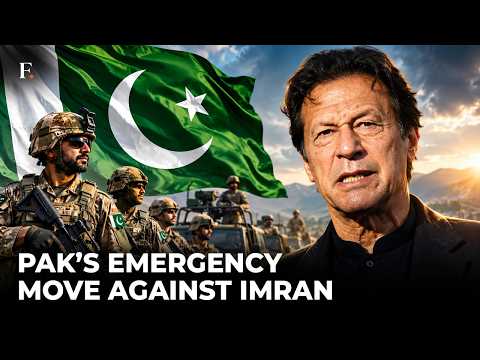
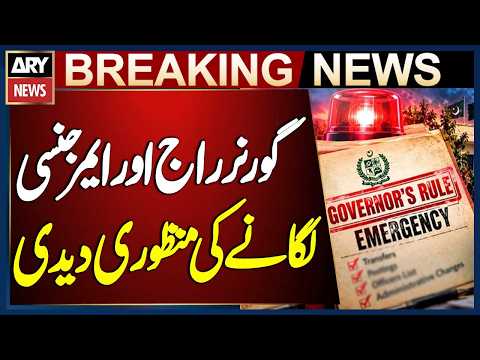
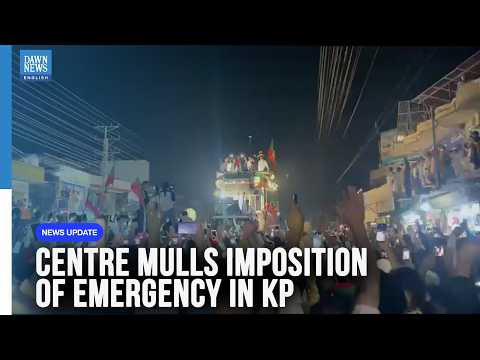
Pakistan's president suspended the elected government of Khyber Pakhtunkhwa on October 11, placing the northwestern province under emergency rule. The move strips jailed former Prime Minister Imran Khan's Pakistan Tehreek-e-Insaf party of control over the province it has governed since 2013.

The federal government cited a 196% rise in militant attacks and accused the provincial government of refusing to fight terrorism. Khan's party says the center starved the province of funds and equipment, and the suspension comes days before a planned PTI march on Islamabad.

Why it matters

The suspension removes an elected opposition government and concentrates federal control over a province bordering Afghanistan, where militant attacks have surged.

Questions about this story

Free account needed to ask — your question is kept and asked for you right after sign-up. Answers are public.

No questions yet — be the first to ask.

Key Indicators

196%
Increase in terrorism incidents in KP
Over the past two and a half years, per Law Minister Azam Nazeer Tarar.
11
Members of KP advisory council
Technocratic council assisting the governor in running the province.
6 months
Maximum duration of governor's rule
Article 234 caps governor's rule at six months unless extended by Parliament.

Voices

Curated perspectives — historical figures and your fellow readers.

Ever wondered what historical figures would say about today's headlines?

Sign up to generate historical perspectives on this story.

People Involved

Organizations Involved

Timeline

3 events Latest: Today
  1. PTI leaders detained, army deployed

    Today Security

    Former CM Ali Amin Gandapur placed under house arrest; other PTI leaders detained. Army deployed under Article 245 to assist the governor.

  2. Federal-KP talks break down

    Political

    Talks between the federal government and KP over counterterrorism policy collapse, deepening tensions between the two sides.

Scenarios

1

Emergency lapses, PTI government restored in KP

Possible Resolves by Dec 11, 2026

Discussed by: Legal analysts quoted in Dawn

The emergency proclamation lapses after two months unless Parliament's joint sitting approves it. If it lapses, the PTI government resumes power. Lawyers quoted by Dawn say the chief minister and cabinet would be restored once the proclamation expires.

2

Governor's rule runs the full six months

Likely Resolves by Apr 11, 2027

Discussed by: Federal government officials

Parliament approves the emergency, and governor's rule continues through the maximum six-month period. The 11-member advisory council runs the province until April 2027, with the federal government directly administering twelve districts.

3

PTI march on Islamabad triggers wider crisis

Possible Resolves by Nov 30, 2026

Discussed by: Reuters, Al Jazeera

PTI's planned march on Islamabad goes ahead, leading to clashes with security forces and potentially a wider political crisis. The party has threatened the march to pressure for Khan's release, and the suspension of its provincial government may escalate tensions further.

Historical Context

2 moments from history that rhyme with this story — and how they unfolded.

1990-1996

Pakistan's 1990s government dismissals (1990-1996)

Under the Eighth Amendment, presidents dismissed elected governments three times: Benazir Bhutto in 1990, Nawaz Sharif in 1993, and Bhutto again in 1996. Each dismissal used constitutional powers to remove governments the president deemed unable to function.

Then

Each dismissal triggered new elections, which opposition parties often won.

Now

The Eighth Amendment was repealed in 1997, but the pattern of federal intervention in provincial affairs continued through other constitutional provisions.

Why this matters now

Shows how Pakistan's federal governments have used constitutional powers to remove opposition governments, a mechanism now deployed against PTI in Khyber Pakhtunkhwa.

November 2007

Musharraf's 2007 state of emergency

President Pervez Musharraf declared a state of emergency on November 3, 2007, suspending the constitution, dismissing Chief Justice Iftikhar Chaudhry, and imposing media restrictions. The move came amid a political crisis over his re-election.

Then

Widespread protests and international condemnation; Musharraf stepped down as army chief and later resigned the presidency.

Now

Led to the 2008 elections and the restoration of civilian government under the PPP.

Why this matters now

Demonstrates how emergency powers have been used in Pakistan's recent history, and how such measures can backfire politically.

Sources

(11)