
Pull to refresh
Logo
Daily Brief
Following
Why
US-China struggle for Panama Canal influence

US-China struggle for Panama Canal influence

Rule Changes
By Newzino Staff |

A Hong Kong firm's 27-year grip on strategic ports ends as Washington pressures Panama to reduce Chinese presence

January 31st, 2026: Maersk Assumes Temporary Port Control

Overview

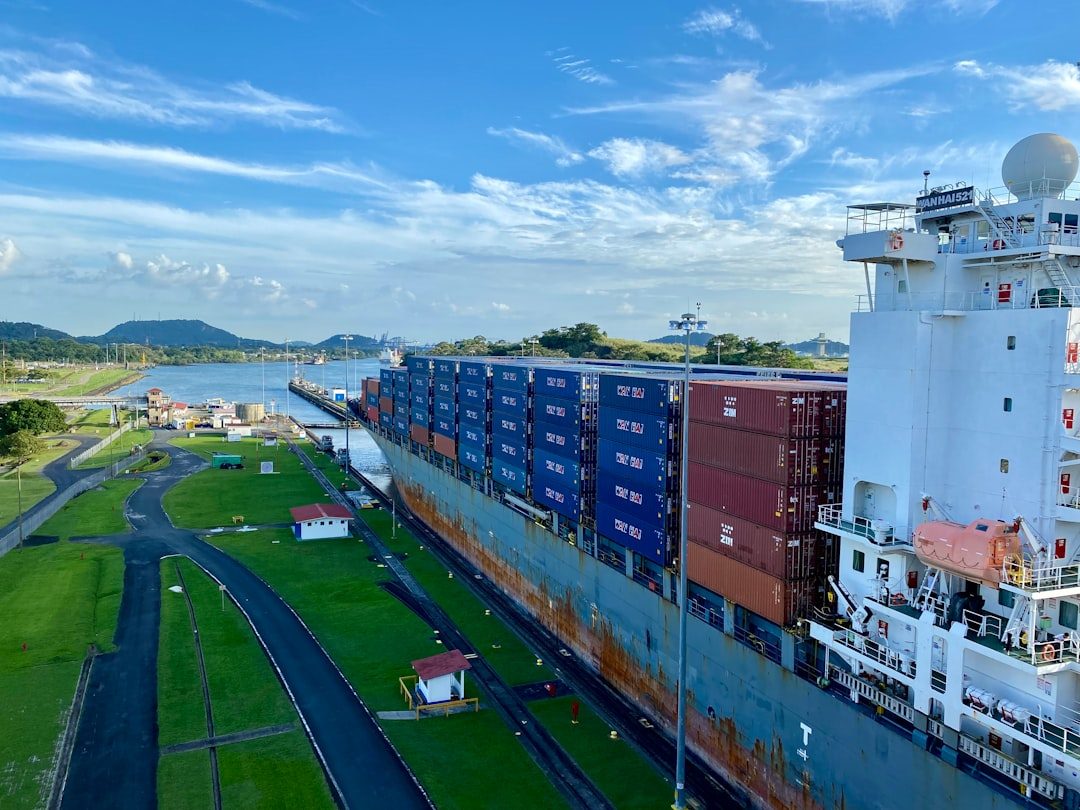
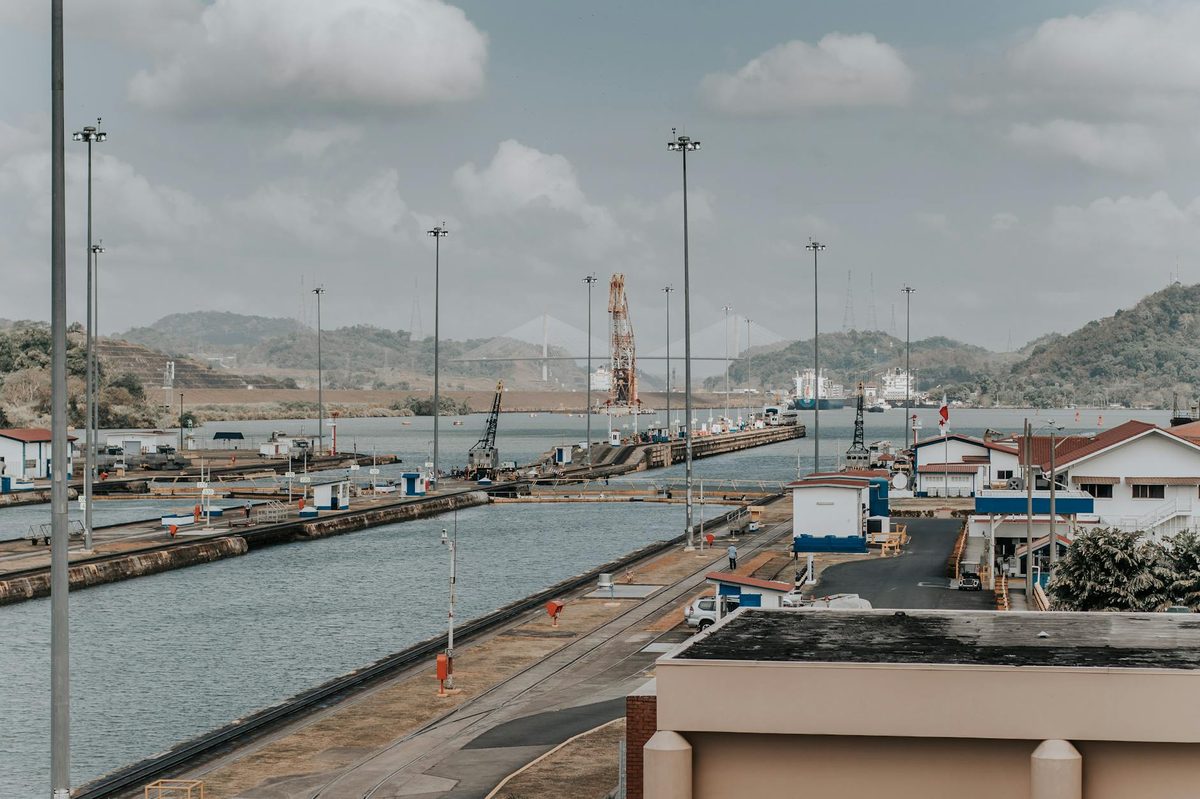
A Hong Kong firm has operated the ports on either end of the Panama Canal since 1997. That ended on January 31, 2026, when Panama's Supreme Court voided CK Hutchison's concession as unconstitutional, and Denmark's Maersk assumed temporary control of the Balboa and Cristobal facilities.

The ruling followed a year of sustained pressure from President Trump, who accused China of controlling the waterway that handles 40% of American container traffic. Panama had already exited China's Belt and Road Initiative. Now a new bidding process will determine who permanently operates ports through which 5% of global maritime trade flows annually.

Key Indicators

27 years
CK Hutchison tenure
Length of time the Hong Kong firm operated Panama Canal ports before concession was terminated
5%
Global trade share
Portion of worldwide maritime commerce passing through the Panama Canal annually
$1.2B
Alleged losses
Amount Panama's comptroller claims the government lost due to contract irregularities since 1997
14,000
Annual ship transits
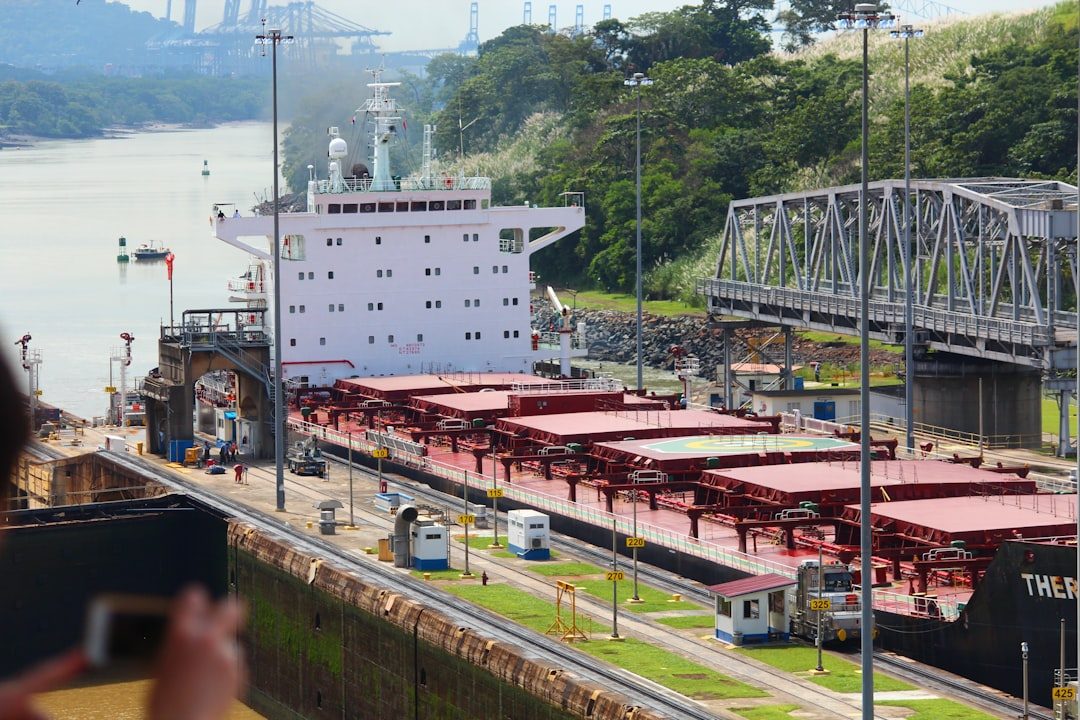
Approximate number of vessels passing through the canal each year

Interactive

Exploring all sides of a story is often best achieved with Play.

Ever wondered what historical figures would say about today's headlines?

Sign up to generate historical perspectives on this story.

Sign Up

Debate Arena

Two rounds, two personas, one winner. You set the crossfire.

People Involved

Donald Trump
Donald Trump
President of the United States (Leading pressure campaign against Chinese influence in Panama)
José Raúl Mulino
José Raúl Mulino
President of Panama (Overseeing transition of port operations while asserting Panamanian sovereignty)
Li Ka-shing
Li Ka-shing
Founder and senior advisor, CK Hutchison Holdings (Watching family company lose strategic assets amid US-China rivalry)
Marco Rubio
Marco Rubio
United States Secretary of State (Leading diplomatic pressure on Panama)
Ricaurte Vásquez Morales
Administrator, Panama Canal Authority (Managing canal operations through political turbulence)

Organizations Involved

CK Hutchison Holdings
Multinational Conglomerate
Status: Lost Panama port concession; reevaluating global port strategy

Hong Kong-based conglomerate operating ports, retail, infrastructure, and telecommunications across 50 countries.

APM Terminals (Maersk Group)
Port Operator
Status: Appointed temporary administrator of Panama Canal ports

Port management division of Danish shipping giant A.P. Moller-Maersk, operating 75 terminals worldwide.

Panama Canal Authority
Autonomous Government Agency
Status: Overseeing transition and planning new concession bidding process

Autonomous Panamanian agency responsible for operating, maintaining, and modernizing the Panama Canal.

BlackRock
BlackRock
Asset Manager
Status: Attempted port acquisition blocked by China

World's largest asset manager with over $10 trillion under management.

Timeline

  1. Maersk Assumes Temporary Port Control

    Transfer

    Denmark's APM Terminals, part of Maersk Group, was appointed temporary administrator of Balboa and Cristobal ports pending a new competitive bidding process.

  2. Panama Court Voids CK Hutchison Concession

    Legal

    Panama's Supreme Court ruled that CK Hutchison's port contracts were unconstitutional, citing "disproportionate bias" toward the company and following a comptroller's audit alleging $1.2 billion in irregularities.

  3. China Blocks BlackRock Port Sale

    Regulatory

    Beijing effectively killed the BlackRock-MSC deal by announcing a formal review and demanding that Chinese state-owned shipper COSCO take a controlling stake in any future sale.

  4. BlackRock Announces $23B Port Deal

    Business

    CK Hutchison announced a $23 billion deal to sell 90% of its global port assets—including Panama's Balboa and Cristobal—to a consortium led by BlackRock and Mediterranean Shipping Company.

  5. Panama Exits Belt and Road Initiative

    Policy

    Panama became the first Latin American country to formally withdraw from China's Belt and Road Initiative, notifying Beijing of a 90-day exit period.

  6. Rubio Delivers Warning in Panama

    Diplomatic

    Secretary of State Marco Rubio visited Panama as his first foreign destination, informing President Mulino that Chinese influence over canal ports violated the 1977 Neutrality Treaty.

  7. Trump Threatens to 'Take Back' Canal

    Statement

    In his second inaugural address, President Trump declared the United States would "take back" the Panama Canal, claiming China effectively controlled the waterway.

  8. CK Hutchison Renews Panama Concession

    Contract

    Panama Ports Company, CK Hutchison's subsidiary, renewed its concession to operate Balboa and Cristobal for an additional 25 years under the previous Panamanian administration.

  9. Panama Joins Belt and Road Initiative

    Agreement

    Panama became the first Latin American country to join China's Belt and Road Initiative, five months after breaking diplomatic ties with Taiwan in favor of Beijing.

  10. United States Hands Over Panama Canal

    Transfer

    The United States formally transferred control of the Panama Canal to Panama, ending 85 years of American administration. Former President Carter attended the ceremony.

  11. Hutchison Wins Panama Port Concession

    Contract

    Hutchison-Whampoa, the Hong Kong-based company controlled by Li Ka-shing, won a concession to operate the ports of Balboa and Cristobal on either end of the Panama Canal.

  12. Carter and Torrijos Sign Canal Treaties

    Treaty

    President Jimmy Carter and Panamanian leader Omar Torrijos signed the Torrijos-Carter Treaties, establishing that the United States would transfer the Panama Canal to Panama by December 31, 1999.

Scenarios

1

Western Consortium Wins New Concession

Discussed by: Financial Times, Wall Street Journal analysts covering shipping infrastructure investments

APM Terminals, CMA CGM, or a reconstituted BlackRock-MSC group wins the competitive bid for permanent port operations. This would align canal port control with Western shipping interests and represent a decisive shift away from Hong Kong-based operators. The transition would likely proceed smoothly given Maersk's existing temporary role.

2

Chinese State Firm Enters Bidding

Discussed by: South China Morning Post, shipping industry analysts at Drewry

COSCO Shipping or another Chinese state-owned enterprise submits a bid for the new concession, testing Panama's stated commitment to reducing Chinese influence. Beijing could offer favorable financing terms that private operators cannot match. A Chinese victory would reignite the confrontation with Washington.

3

CK Hutchison Pursues International Arbitration

Discussed by: Legal experts cited by Reuters, CNBC business coverage

CK Hutchison, which stated the ruling "lacks legal basis," pursues arbitration under bilateral investment treaties or files claims in international forums. Similar tactics were used by Landbridge Group when Panama revoked its port concession in 2021. The company could seek compensation for its claimed $1.8 billion investment.

4

US Seeks Formal Security Role in Canal Operations

Discussed by: Council on Foreign Relations, Center for Strategic and International Studies analysis

The Trump administration leverages the transition to establish formal U.S. oversight of canal security, citing the 1977 Neutrality Treaty's provisions allowing American intervention to defend the waterway. This could range from enhanced naval transit privileges to permanent security monitoring arrangements.

Historical Context

Dubai Ports World Controversy (2006)

February-March 2006

What Happened

Dubai Ports World, a United Arab Emirates state-owned firm, attempted to acquire operations at six major U.S. ports through its purchase of British company P&O. The Committee on Foreign Investment initially approved the deal, but a firestorm of Congressional opposition over security concerns forced DP World to withdraw.

Outcome

Short Term

The company divested its U.S. port interests within months of the controversy erupting.

Long Term

Congress passed the Foreign Investment and National Security Act of 2007, strengthening CFIUS review powers over foreign acquisitions of critical infrastructure.

Why It's Relevant Today

Demonstrates how national security concerns can rapidly unwind foreign port operations—even when approved by regulators—when political pressure builds.

Torrijos-Carter Treaties (1977-1978)

September 1977 - April 1978

What Happened

President Jimmy Carter negotiated two treaties with Panamanian leader Omar Torrijos to transfer the Panama Canal to Panama by 1999. The Senate ratified both treaties with just one vote to spare (68-32), despite strong public opposition and concerns about national security.

Outcome

Short Term

The Canal Zone ceased to exist in 1979; a joint U.S.-Panama commission operated the canal until 1999.

Long Term

Panama has generated $17 billion from canal operations since the handover. The Neutrality Treaty preserved U.S. rights to defend the canal against threats to its neutrality.

Why It's Relevant Today

The Neutrality Treaty clause allowing U.S. intervention to protect the canal is the legal basis for the Trump administration's argument that Chinese influence violates the agreement.

Landbridge Group Concession Revocation (2021)

June 2021

What Happened

Panama's Maritime Authority revoked a port concession held by China's Landbridge Group, citing failure to meet investment and local employment requirements. The concession was awarded to a consortium including Mediterranean Shipping Company.

Outcome

Short Term

Landbridge initiated arbitration proceedings in Panama, Delaware, and Barbados that continue today.

Long Term

Established precedent for Panama revoking Chinese-linked port concessions on contractual grounds.

Why It's Relevant Today

Provides a direct template for how Panama can terminate foreign port operators—and shows that legal battles can persist for years after revocation.

12 Sources: