How the U.S. is leveraging tariff threats, naval actions, and secondary sanctions to cut off Cuba's last fuel lifelines—triggering nationwide blackouts, mass protests, and warnings of imminent humanitarian collapse
How the U.S. is leveraging tariff threats, naval actions, and secondary sanctions to cut off Cuba's last fuel lifelines—triggering nationwide blackouts, mass protests, and warnings of imminent humanitarian collapse
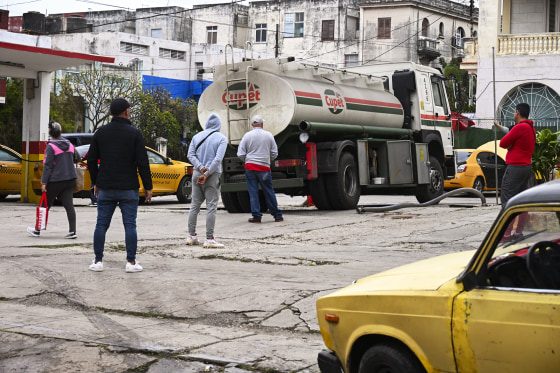
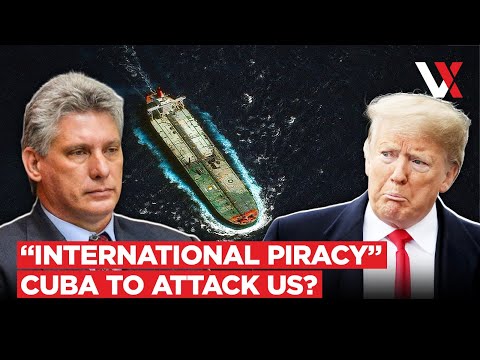
The United States has imposed economic pressure on Cuba for 64 years. Now, for the first time, Washington is threatening to punish any country that sells oil to the island. President Trump's January 29 executive order creates a tariff mechanism targeting third countries that supply Cuban fuel—a significant escalation that goes beyond traditional bilateral sanctions to coerce allies and trading partners into joining an energy blockade. The strategy has proven devastatingly effective: Cuba's national power grid collapsed entirely on March 17, 2026, leaving approximately 10 million people without electricity and triggering ten consecutive days of street protests, the most visible civil unrest in years. Partial restoration occurred on March 18 after 29 hours, but the blackout deepened shortages of food, medicine, and water, including the vandalization of a Cuban Communist Party provincial office in Morón. On March 21, Cuba blocked a US Embassy request to import diesel for generators, escalating diplomatic tensions amid ongoing rolling blackouts.
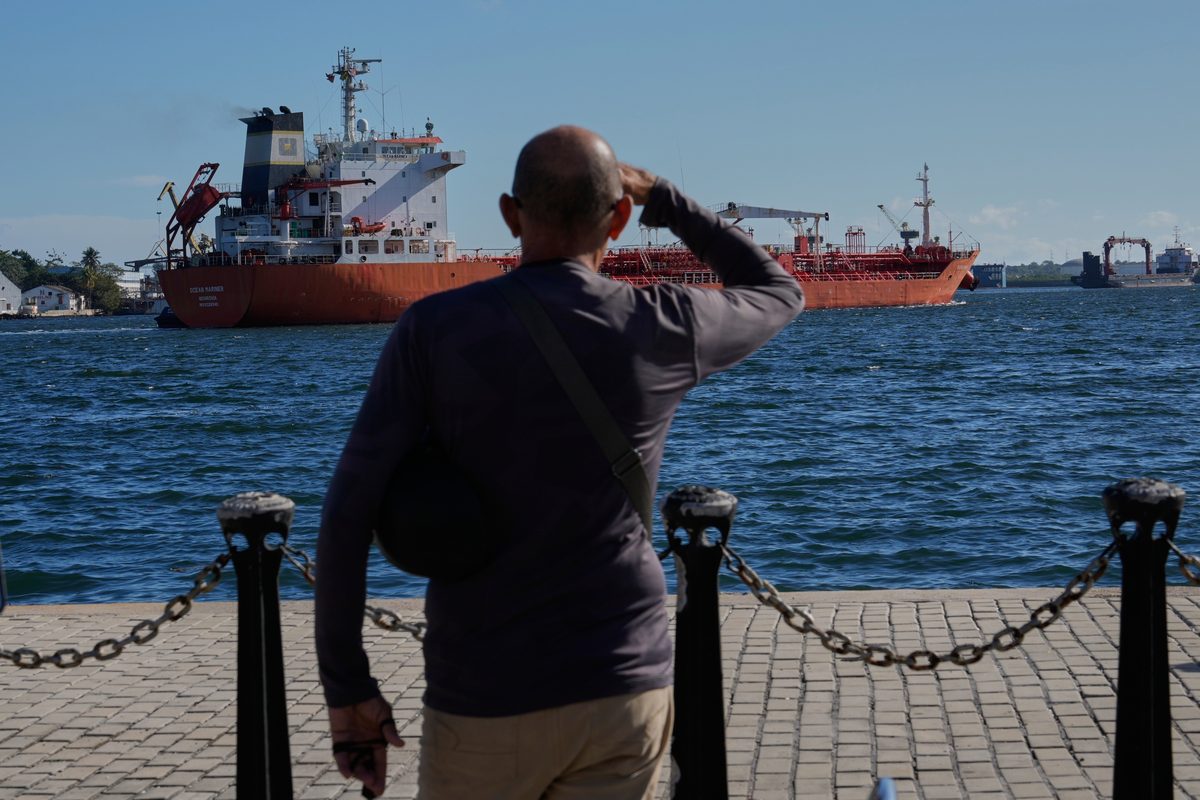
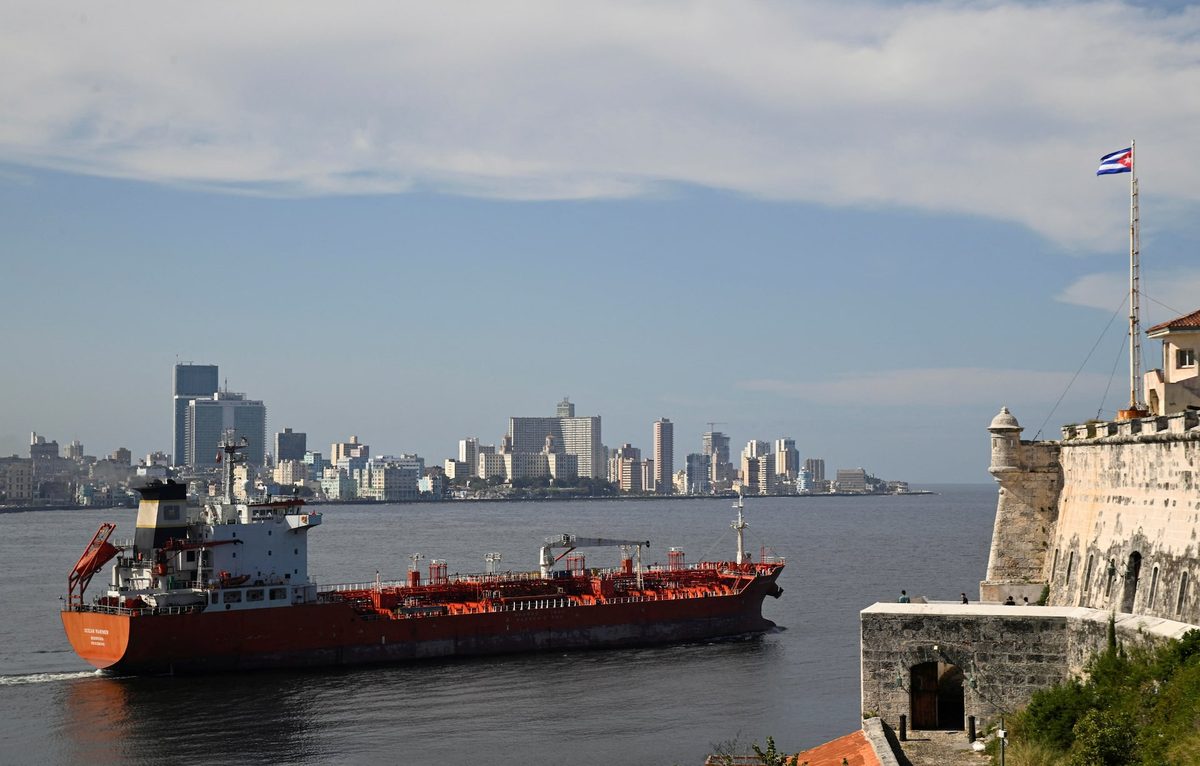
The timing was deliberate. Since U.S. forces captured Venezuelan President Nicolás Maduro on January 3, Cuba has lost access to Venezuelan crude, which provided a third of its oil imports. Mexico, Cuba's remaining major supplier, paused shipments the day before Trump signed the order and confirmed $496 million in 2025 supplies via Pemex. With its antiquated power grid already failing (six nationwide blackouts in 18 months) and no new suppliers stepping in despite Chinese support pledges, Cuba now faces what the UN warned in February could become a humanitarian collapse. The CIA assessed the economy is on the brink in January; the March 17-18 grid failure confirms that brink has been crossed. The U.S. provided $6 million in aid for hurricane relief, but the scale may exceed what humanitarian mitigation can address. Whether the government can maintain control as basic services remain unreliable and diplomatic frictions intensify is now unclear.
Questions about this story
Free account needed to ask — your question is kept and asked for you right after sign-up. Answers are public.
No questions yet — be the first to ask.
Key Indicators
Rolling
National grid status
Cuba operating on rolling blackouts after partial March 18 restoration following 29-hour total collapse on March 17; represents sixth total blackout in 18 months
>10 days
Consecutive protest days
Mass street protests erupted following March 17 blackout, including vandalization of Communist Party office in Morón—most visible civil unrest in recent years; ongoing as of March 21
77%
Oil supply at risk
Combined share of Cuba's oil imports from Venezuela (33%) and Mexico (44%) before the crisis; both sources now cut off or paused
64 years
Embargo duration
The U.S. trade embargo on Cuba, imposed in 1962, is the longest in modern history
1+ million
Cubans who fled since 2020
More than one in ten Cubans have left the country in the past five years; exodus likely to accelerate following grid collapse
26 events
Latest: March 21st, 2026 · 7 months ago
Showing 8 of 26
JK to step
Tap a bar to jump to that date
Jump to
March 2026
Cuba blocks US Embassy request to import diesel fuel for generators amid island-wide blackouts
LatestDiplomatic
The Cuban government refused a request from the United States Embassy in Havana to import two containers of diesel fuel for its backup generators, calling the request 'shameless' while the Trump administration maintains a fuel blockade on the island. The refusal could force the State Department to reduce embassy staffing in Havana, which would likely trigger a reciprocal reduction at the Cuban Embassy in Washington.
Cuba Partially Restores Power After 29-Hour Blackout
Infrastructure
Cuba partially restored its electrical grid after a 29-hour nationwide blackout affecting 11 million people, operating on solar, natural gas, and thermoelectric plants. Tens of thousands of surgeries postponed; President Díaz-Canel vowed 'unyielding resistance' to U.S. economic warfare amid ongoing crisis.
Cuba's National Power Grid Collapses; Mass Protests Erupt
Infrastructure Crisis
Cuba's entire electrical grid suffered complete shutdown, leaving approximately 10 million residents without power. The collapse triggered ten consecutive days of street protests across the island, including vandalization of a Cuban Communist Party provincial office in Morón—the most visible civil unrest in recent years. The blackout deepened existing shortages of food, medicine, and water.
February 2026
Cuban border guards kill four on US-registered speedboat from Florida
Confrontation
Cuban border guards fired on a Florida-registered speedboat carrying 10 armed individuals approximately one nautical mile off the Cuban coast, killing four and injuring six. Cuba's Interior Ministry said the occupants were Cuban nationals living in the US carrying assault rifles, handguns, Molotov cocktails, and bulletproof vests, alleging an infiltration for terrorist purposes. Secretary of State Marco Rubio said the US would conduct an independent investigation and 'respond accordingly.'
U.S. Announces $6M Aid as Díaz-Canel Accuses 'Energy Blockade'
Aid
The U.S. announced $6 million in hurricane relief aid for Cuba amid severe energy shortages; President Díaz-Canel blamed U.S. 'naval blockade' on Venezuela for fuel crisis and promised government response details within a week.
UN Warns of Humanitarian 'Collapse' in Cuba
International
The United Nations warned of potential humanitarian collapse in Cuba due to dwindling oil supplies following U.S. efforts to block imports.
Pemex Reveals $496M Oil Supplies to Cuba in 2025
Economic
Pemex CEO disclosed $496 million in crude and products supplied to Cuba in 2025 (17,200 bpd oil + 2,000 bpd refined through Sept); future exports uncertain amid refining priorities.
January 2026
Rubio Reinstates Cuba Restricted List, Restores LIBERTAD Act Enforcement
Policy
Secretary of State Marco Rubio approved recreation of the Cuba Restricted List prohibiting transactions with Cuban military-linked entities and submitted a letter to Congress withdrawing Biden's suspension of Title III of the LIBERTAD Act, which allows lawsuits against entities trafficking in expropriated U.S. property.
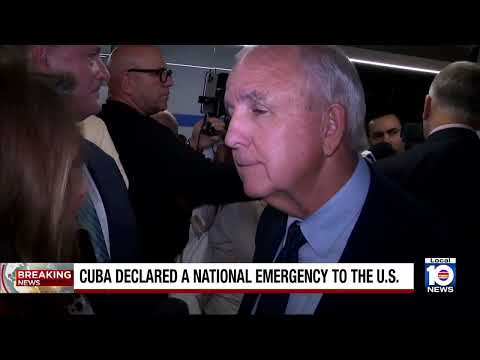
Cuba Declares International Emergency Over U.S. Order
Diplomatic
Cuban Foreign Minister Bruno Rodríguez Parrilla announced Cuba has declared an 'international emergency' in response to Trump's executive order, escalating the diplomatic confrontation.
Díaz-Canel Condemns Trump's Plan to 'Suffocate' Cuba
Statement
President Díaz-Canel stated Trump plans 'to suffocate' Cuba's economy 'under a false and baseless pretext' by slapping tariffs 'on countries that sovereignly trade oil' with Cuba.
Trump Signs Cuba National Emergency Order
Policy
Trump signed an executive order declaring a national emergency over Cuba and authorizing tariffs on any country that sells oil to the island. The order takes effect at 12:01 a.m.
China Denounces U.S. Tariff Threat, Pledges Cuba Support
Diplomatic
Chinese Foreign Ministry spokesman Guo Jiakun stated China 'supports Cuba in safeguarding its national sovereignty and security' and opposes actions that 'deprive the Cuban people of their legitimate rights.'
Sheinbaum Says Trump 'Blindsided' Mexico with Order
Diplomatic
President Sheinbaum revealed Trump blindsided Mexico with the executive order and vowed to seek alternatives to continue helping Cuba, suggesting one option could be for the U.S. itself to manage shipment of Mexican oil to the island.
Mexico Pauses Oil Shipments to Cuba
Policy
President Sheinbaum confirmed Mexico had stopped oil deliveries to Cuba, calling it a 'sovereign decision' not made under U.S. pressure.
Peak Power Deficit Reaches Nearly 2,000 MW
Infrastructure
Cuba's generation capacity deficit reached 1,995 megawatts at 6:40 pm, with millions of Cubans enduring blackouts of up to 20 hours a day.
Tens of Thousands Protest Outside U.S. Embassy in Havana
Civil
Cubans gathered at the José Martí Anti-Imperialist Platform to demonstrate against U.S. actions in Venezuela, the killing of 32 Cuban officers in the January 3 raid, and to demand Maduro's release.
Cuba Honors 32 Soldiers Killed in Venezuela Raid
Diplomatic
President Díaz-Canel and 94-year-old former leader Raúl Castro attended a ceremony in Havana paying tribute to 32 Cuban soldiers killed during the U.S. operation that captured Maduro.
Diplomats Warn of Ports Grinding to Halt
Infrastructure
European diplomats in Havana described an energy crisis so severe that ports could stop functioning, potentially sparking dire food shortages for millions of Cubans.
Trump Declares No Venezuelan Oil Will Reach Cuba
Statement
Trump posted on Truth Social: 'THERE WILL BE NO MORE OIL OR MONEY GOING TO CUBA – ZERO! I strongly suggest they make a deal, BEFORE IT IS TOO LATE.'
CIA Assesses Cuba 'On the Brink'
Intelligence
The CIA released an assessment describing Cuba's economy as near collapse due to energy shortages, mass migration, and lost Venezuelan support—but did not predict imminent regime change.
Rubio Warns Cuba After Maduro Capture
Statement
Secretary of State Marco Rubio told NBC's Meet the Press that Cuba's leaders are 'in a lot of trouble' and should be 'concerned.'
U.S. Forces Capture Venezuelan President Maduro
Military
More than 200 U.S. special operations forces seized Nicolás Maduro from his Caracas home in a predawn raid, cutting off Cuba's primary oil patron.
September 2025
Fifth National Blackout in Under a Year
Infrastructure
Cuba suffered its fifth complete grid failure since October 2024, leaving the island without electricity for 28 hours.
October 2024
Cuba's First Total Nationwide Blackout
Infrastructure
Cuba's electrical grid collapsed entirely after the Antonio Guiteras power plant went offline, leaving 11 million people without power.
March 1996
Helms-Burton Act Signed
Legislation
President Clinton signed legislation codifying the Cuba embargo into law, making it nearly impossible for future presidents to lift sanctions without congressional approval.
February 1962
U.S. Embargo on Cuba Begins
Policy
President Kennedy imposed a comprehensive trade embargo on Cuba, expanding earlier restrictions to ban all imports from the island.
Scenarios
1
Cuba's Economy Collapses, Mass Exodus Accelerates
Likely
Discussed by: CIA assessment (January 2026), Foreign Affairs, Pavel Vidal (former Cuban central bank economist)
Without reliable fuel supplies, Cuba's already fragile infrastructure fails entirely. Rolling blackouts become permanent in most provinces, food distribution breaks down, and hospitals lose power. The exodus of Cubans—already exceeding one million since 2020—accelerates dramatically. The government maintains control through rationing and security services but cannot provide basic services. This scenario does not necessarily lead to regime change; analysts note authoritarian governments have survived similar crises (North Korea in the 1990s).
Discussed by: Latin American policy analysts, Mexican political commentators
President Sheinbaum, facing domestic pressure from her party's left wing, resumes oil shipments to Cuba despite U.S. tariff threats. The Trump administration imposes duties on Mexican imports. Mexico challenges the tariffs at the World Trade Organization and through USMCA dispute mechanisms. This triggers a broader trade confrontation that overshadows the Cuba question. Sheinbaum frames resistance as defending Mexican sovereignty against U.S. 'blackmail.'
3
Supreme Court Strikes Down IEEPA Tariff Authority
Possible
Discussed by: Brennan Center for Justice, Bloomberg legal analysts, Tax Policy Center
The Supreme Court rules in <em>Learning Resources v. Trump</em> that the International Emergency Economic Powers Act does not authorize tariffs, invalidating the legal mechanism underlying the Cuba executive order. The administration pivots to other statutory authorities or requests congressional action, but enforcement of the Cuba oil tariffs is delayed or abandoned. Lower courts have already ruled against IEEPA tariffs.
4
Cuba Negotiates Concessions, U.S. Eases Pressure
Unlikely
Discussed by: Trump administration officials (implied in statements about 'making a deal')
Facing economic catastrophe, Cuba's government signals willingness to negotiate. Potential concessions could include releasing political prisoners, reducing ties with Russia and China, or permitting international monitoring. The Trump administration, seeking a foreign policy win, agrees to permit limited oil imports in exchange. This scenario requires both sides to accept terms the other has historically rejected.
5
China Steps In as New Oil Supplier, Defies U.S. Tariffs
Possible
Discussed by: Chinese Foreign Ministry statements (January 30, 2026), Latin America foreign policy analysts
After publicly pledging support for Cuba's sovereignty, China begins shipping oil to the island through state-owned companies or intermediaries, calculating that the economic and diplomatic costs of U.S. tariffs are worth the geopolitical gains. This transforms the Cuba crisis into a direct U.S.-China confrontation, with Beijing testing Washington's willingness to impose punitive tariffs on its largest trading partner. Trump faces a choice: back down and appear weak, or trigger a major trade war over Cuba.
6
Regime Instability Accelerates; Military Fractures or Coup Attempt
Possible
Discussed by: CIA assessments (March 2026), Latin American security analysts, former Cuban military officials
The March 17 grid collapse and subsequent mass protests represent the first visible crack in state control since the Special Period. If blackouts persist and protests spread to major cities like Havana, military units responsible for internal security may face impossible choices: fire on civilians and risk defections, or stand down and signal regime weakness. Historical precedent (East Germany 1989, Soviet Union 1991) shows authoritarian militaries sometimes fracture when ordered to suppress large-scale civilian unrest. A coup attempt by hardliners seeking to restore order through even harsher measures, or by reformers seeking negotiated transition, becomes plausible if the current government appears unable to restore electricity or basic services within weeks.
Historical Context
3 moments from history that rhyme with this story — and how they unfolded.
1 of 3
1991-2000
Cuba's Special Period (1991-2000)
When the Soviet Union collapsed, Cuba lost $4.3 billion in annual subsidies and 85% of its trade partners overnight. Oil imports fell to 10% of pre-1990 levels. GDP dropped 35% by 1993. More than 50,000 Cubans developed vitamin deficiency-related blindness. An estimated 35,000 people attempted to flee on rafts.
Then
The government eliminated 15 ministries, cut defense spending 86%, and legalized U.S. dollar circulation. Cubans lost an average of 12 pounds.
Now
Cuba survived by finding a new patron: Hugo Chávez's Venezuela began providing subsidized oil in the early 2000s, enabling economic recovery.
Why this matters now
Today's crisis mirrors the Special Period—sudden loss of a primary energy supplier combined with ongoing U.S. sanctions. The difference: Cuba may not find another patron willing to subsidize its economy.
2 of 3
November 2018 - January 2021
U.S. Secondary Sanctions on Iranian Oil (2018-2020)
After withdrawing from the Iran nuclear deal, the Trump administration threatened sanctions on any country importing Iranian oil. Eight countries initially received waivers; in 2019, all waivers were revoked. Secondary sanctions on foreign businesses rose from 2 in 2018 to 104 by 2021.
Then
Iran's oil exports fell by more than 50%. The Iranian rial collapsed. European allies' attempts to create alternative payment mechanisms (INSTEX) failed.
Now
Iran developed a 'shadow fleet' of tankers to evade sanctions, selling oil to China at discounted prices. The sanctions inflicted economic pain but did not change Iranian policy.
Why this matters now
The Cuba executive order uses the same template: secondary sanctions threatening third countries. The Iran experience shows such pressure can reduce but not eliminate oil flows, especially if major buyers (China) refuse to comply.
3 of 3
August 1941
U.S. Oil Embargo on Japan (1941)
After Japan expanded into French Indochina, the U.S. froze Japanese assets and cut off oil exports—Japan's military imported 80% of its oil from America. Britain and the Dutch East Indies followed with their own embargoes.
Then
Japan calculated it had 18 months of oil reserves. Rather than accept strategic suffocation, military leaders chose war.
Now
Japan attacked Pearl Harbor four months later. The embargo achieved its goal of confronting Japanese expansion—but triggered a conflict the U.S. had hoped to avoid.
Why this matters now
Energy embargoes can produce unintended escalation. Cuba lacks Japan's military capacity, but the historical lesson is that cornered nations sometimes choose desperate options rather than capitulation.