
Pull to refresh
Logo
Scientists publish first complete genome of endangered agarikon fungus

Scientists publish first complete genome of endangered agarikon fungus

New Capabilities

Paul Stamets and Fungi Perfecti map the medicinal polypore's DNA, opening paths for conservation and compound discovery

Today: First complete agarikon genome published in G3

Overview

Updated 43 minutes ago

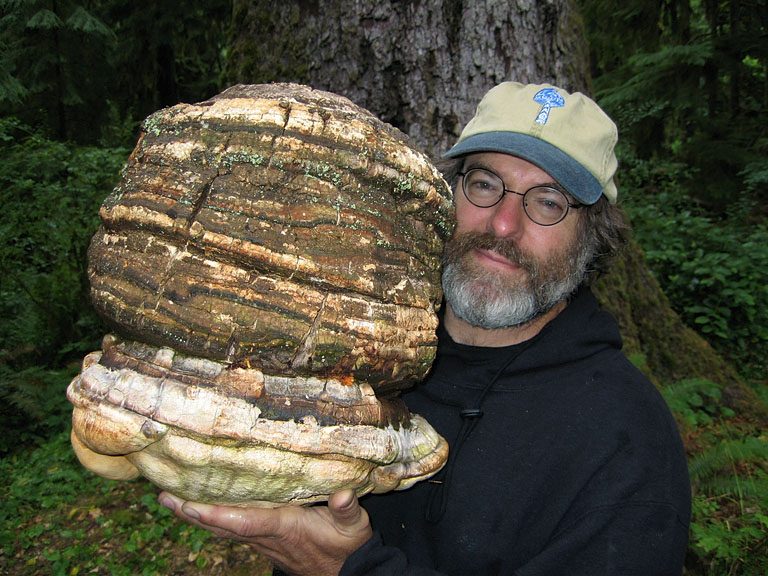
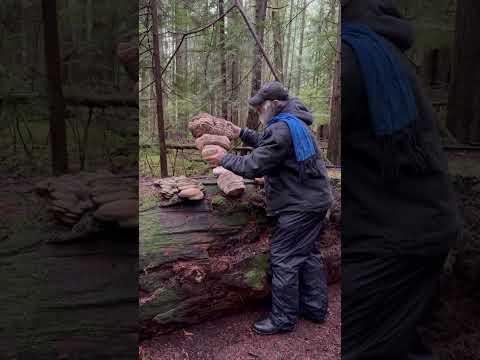
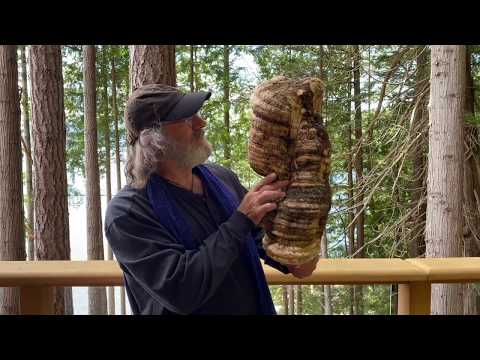
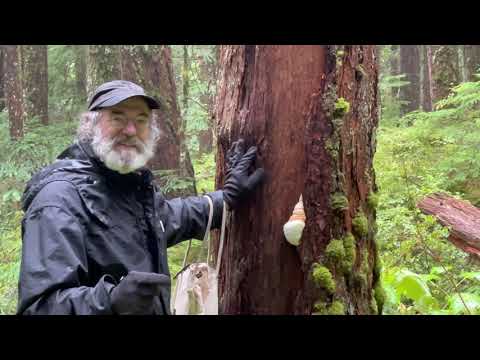
Paul Stamets spent decades collecting agarikon before the fungus vanished from old-growth forests. Now researchers at his company Fungi Perfecti have published its complete genome, the first ever assembled for this endangered medicinal polypore.

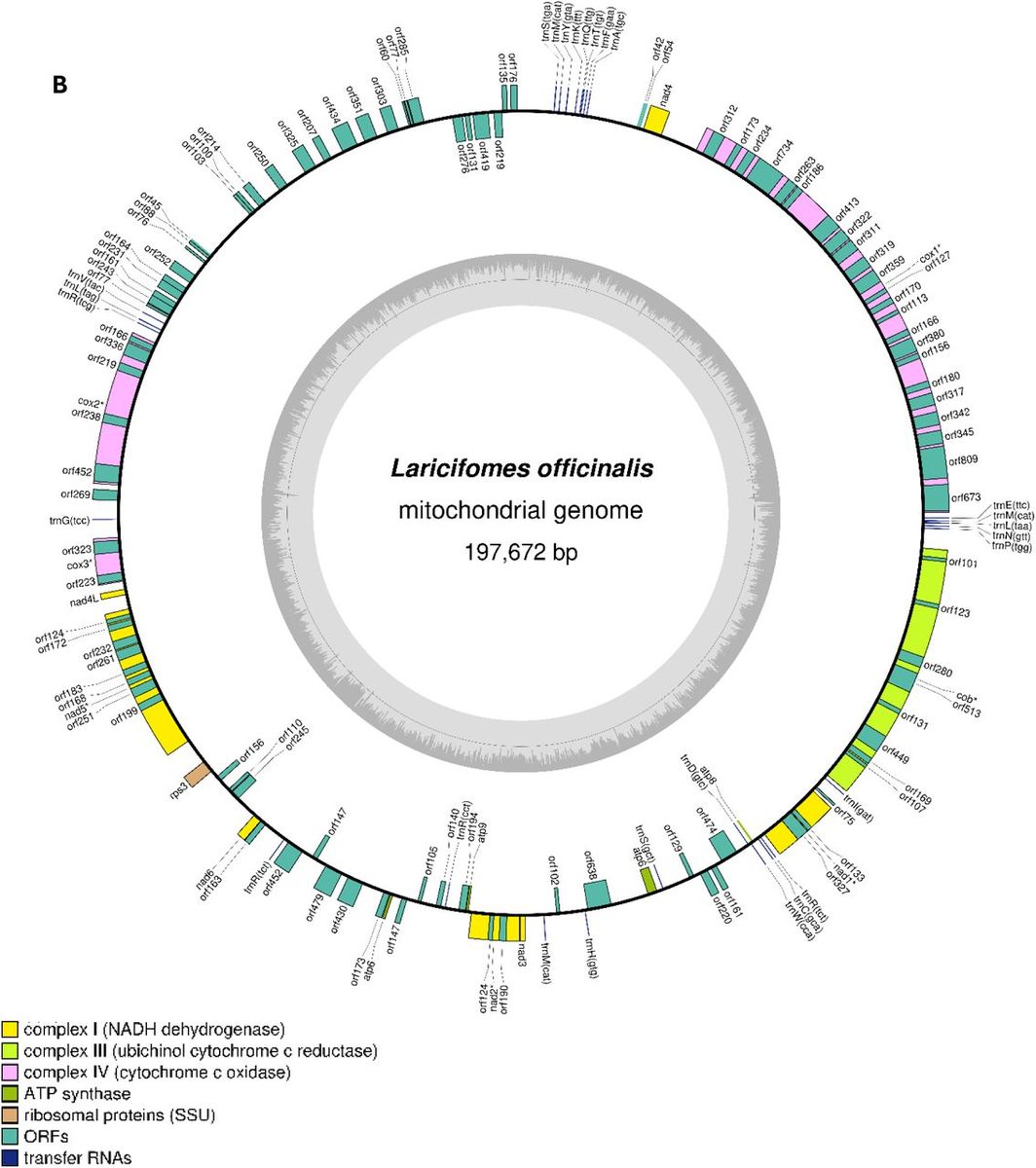
The genome reveals 287 genes in 27 clusters likely responsible for the fungus's medicinal compounds. It also gives conservationists a tool to track genetic diversity in the shrinking wild populations.

Why it matters

The complete agarikon genome lets scientists identify, preserve, and potentially reproduce the compounds behind a fungus vanishing from old-growth forests.

Questions about this story

Free account needed to ask — your question is kept and asked for you right after sign-up. Answers are public.

No questions yet — be the first to ask.

Key Indicators

99.4%
Genome completeness (BUSCO)
Assembly quality score for the 28.76-megabase nuclear genome
8,717
Predicted genes
Includes 8,604 protein-coding genes and 287 genes in 27 biosynthetic gene clusters
118
Agarikon strains in Stamets' collection
A genomic library Stamets has called 'a national treasure'

Voices

Curated perspectives — historical figures and your fellow readers.

Ever wondered what historical figures would say about today's headlines?

Sign up to generate historical perspectives on this story.

People Involved

Organizations Involved

Timeline

1980 October 2026

3 events Latest: Today
  1. First complete agarikon genome published in G3

    Today Publication

    Fungi Perfecti scientists publish the first complete genome of agarikon in G3: Genes, Genomes, Genetics, a peer-reviewed journal.

  2. Agarikon genome preprint posted to bioRxiv

    Research

    The genome assembly and annotation is posted as a preprint on the bioRxiv server ahead of peer review.

  3. Stamets begins agarikon collection

    Conservation

    Stamets makes it a personal mission to collect agarikon strains from old-growth forests before the fungus disappears.

Scenarios

1

Agarikon biosynthetic clusters yield validated compounds

Possible Resolves by End of 2028

Discussed by: The study authors, who describe heterologous expression and gene knockouts as the next step

The genome contains 27 candidate biosynthetic gene clusters, including genes for triterpenoid and polyketide pathways. Confirming what these clusters produce requires expressing the genes in lab hosts or disabling them in the fungus. A validated compound would move agarikon research from genomics into drug discovery.

2

Population genomics guides agarikon conservation

Likely Resolves by Q2 2029

Discussed by: The study authors, who describe the genome as a foundation for population genomics

Agarikon is listed as Endangered on the IUCN Red List, threatened by habitat loss and overharvesting. The reference genome lets researchers measure genetic diversity across remaining populations, identify distinct lineages, and decide which populations most need protection or cultivation.

3

Agarikon clinical trials report results

Possible Resolves by End of 2029

Discussed by: Stamets and University of California, San Diego researcher Gordon Saxe, who designed two placebo-controlled randomized trials

Earlier lab work showed agarikon mycelium has antiviral, antioxidant, and immune-modulating activity. The genome can help standardize the compounds in trial preparations. Trial results would determine whether agarikon-derived products move toward clinical use.

Historical Context

2 moments from history that rhyme with this story — and how they unfolded.

1990-2003

Human Genome Project (1990-2003)

An international consortium sequenced the complete human genome, releasing a draft in 2001 and the finished sequence in 2003. The effort spanned more than a decade and involved hundreds of researchers worldwide.

Then

The completed sequence became the reference for genetic research, enabling gene discovery and diagnostic tests within years.

Now

The human reference genome remains the foundation for genomics, supporting everything from ancestry testing to targeted cancer therapies.

Why this matters now

Agarikon's genome now provides the same kind of foundation for fungal research, giving scientists a durable map for studying its biology and medicinal compounds.

1928-1945

Penicillin's development (1928-1945)

Alexander Fleming observed penicillin's antibacterial effect in 1928. Howard Florey and Ernst Chain purified and scaled it up in the early 1940s, turning a fungal secondary metabolite into the first mass-produced antibiotic.

Then

Penicillin saved millions of soldiers' lives in World War II and became the model for antibiotic development.

Now

Fungal secondary metabolites became a major source of medicines, from antibiotics to immunosuppressants.

Why this matters now

Agarikon's biosynthetic gene clusters belong to the same class of fungal chemistry that produced penicillin, a reminder that medicinal compounds can hide in overlooked fungi.

Sources

(4)