


Pull to refresh
Logo
Genetic study splits gentoo penguins into four species

Genetic study splits gentoo penguins into four species

New Capabilities

Four gentoo species identified, including the first new penguin in more than a century; three face severe habitat loss by 2050.

Today: ScienceDaily features gentoo conservation warning

Overview

Updated 1 hour ago

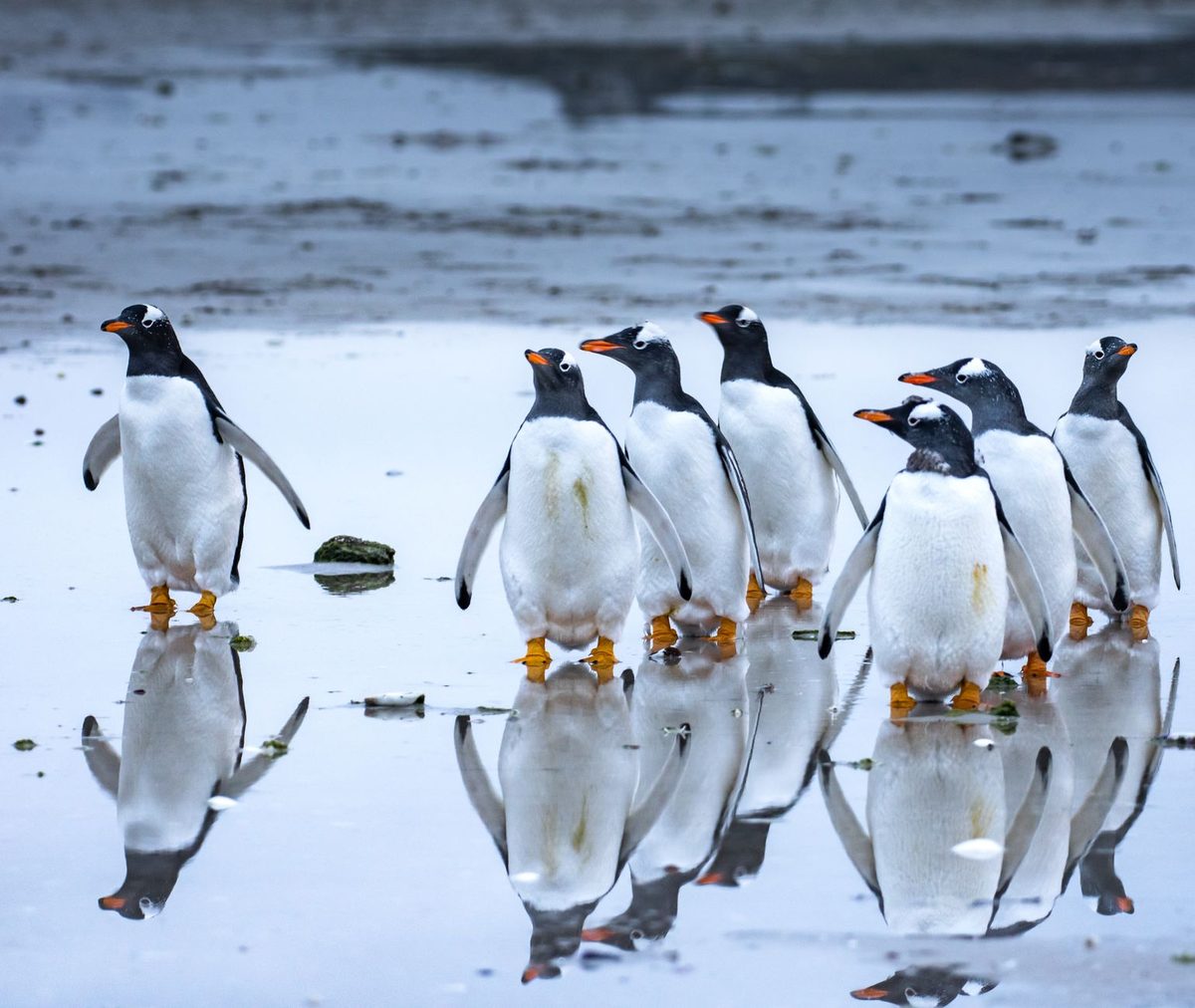
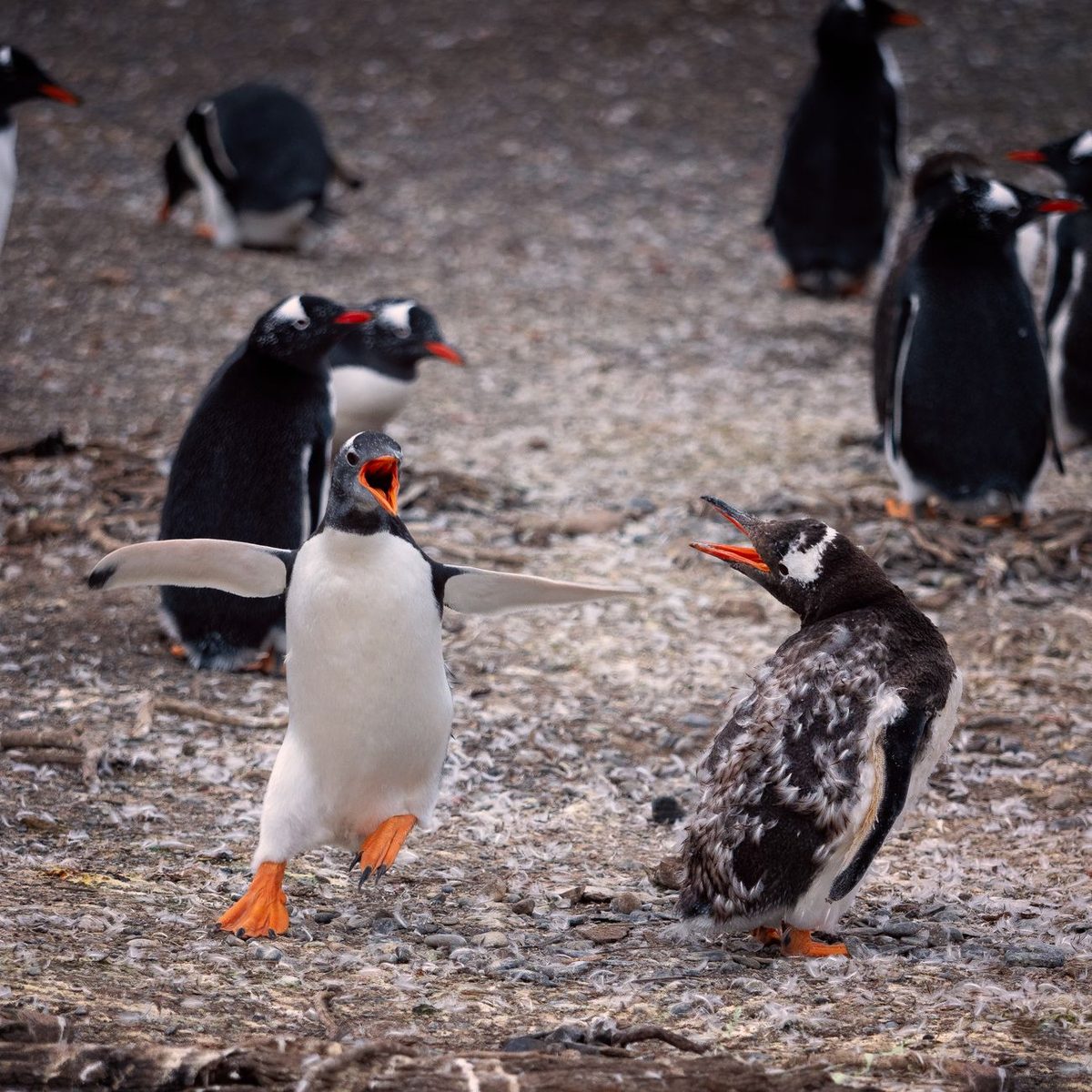
Gentoo penguins have counted as one species since 1781. A genomic study published in spring 2026 splits them into four, including a previously overlooked species on the remote Kerguelen Islands — the first new penguin named in more than a century.

The split is more than taxonomy. Under a moderate warming scenario, three of the four lineages could lose most of their suitable habitat by 2050, a risk hidden while every gentoo shared a single 'Least Concern' listing. Only the southern gentoo, which lives in Antarctica, is projected to hold steady or expand.

Why it matters

Recognizing four species reveals that three gentoo lineages face severe habitat loss by 2050, a risk the single-species 'Least Concern' listing hid.

Questions about this story

Free account needed to ask — your question is kept and asked for you right after sign-up. Answers are public.

No questions yet — be the first to ask.

Key Indicators

4
Gentoo species now recognized
One species for 245 years, now split into four by genomic evidence.
100+
Years since last new penguin species named
Pygoscelis kerguelensis is the first new penguin species described in more than a century.
3 of 4
Lineages facing severe habitat loss by 2050
Modeled under a moderate emissions pathway, RCP 4.5.
50%
Decline in breeding pairs on Macquarie Island
Loss measured over the last three generations.
33%
Decline at Possession Island, Crozet, 1992–2018
Monitored colony fell 32.6% in 26 years.
9%
Projected habitat expansion for southern gentoo
The Antarctic-resident lineage may gain suitable habitat by 2050.

Voices

Curated perspectives — historical figures and your fellow readers.

Ever wondered what historical figures would say about today's headlines?

Sign up to generate historical perspectives on this story.

People Involved

Organizations Involved

Timeline

April 2026 September 2026

3 events Latest: Today
  1. ScienceDaily features gentoo conservation warning

    Today Report

    ScienceDaily circulated the study's findings to a wider audience, emphasizing the projected 2050 habitat loss for island-bound gentoo populations.

  2. Berkeley publicizes the Kerguelen discovery

    Public announcement

    UC Berkeley's news office highlighted the new species and warned that warming oceans could render several island habitats unsuitable by mid-century.

  3. Gentoo penguins split into four species

    Scientific study

    Researchers published an analysis in Communications Biology proposing four gentoo species and naming the new Pygoscelis kerguelensis. Three of the four lineages face severe habitat loss by 2050 under a moderate warming scenario.

Scenarios

1

IUCN recognizes four gentoo species, three listed as threatened

Likely Resolves by End of 2027

Discussed by: The study's authors, who explicitly urge separate IUCN Red List assessments for each lineage

If the IUCN adopts the four-species taxonomy, the northern, eastern, and southeastern lineages would likely be categorized as threatened given the modeled habitat loss by 2050. A separate Red List assessment and its publication would settle it.

2

Checklist committees retain a single gentoo species

Unlikely Resolves by End of 2027

Discussed by: Taxonomic committees including the International Ornithological Congress (IOC) and American Ornithological Society

Conservation policy follows taxonomic adoption, not just published studies. If the IOC or AOS declines the four-way split pending further evidence, gentoos would stay one species on official checklists and separate conservation status would not follow. The strong phylogenomic support makes this less likely.

3

Field censuses confirm accelerating declines on Macquarie and Crozet

Possible Resolves by Q2 2028

Discussed by: Sub-Antarctic penguin monitoring programs

Documented declines — 50% on Macquarie over three generations and 32.6% at Possession Island from 1992 to 2018 — may continue. New published census data would independently verify the threat level and strengthen the conservation case regardless of formal taxonomy.

Historical Context

2 moments from history that rhyme with this story — and how they unfolded.

2010

African elephant split (2010)

Genomic analyses led researchers to split African elephants into two species: savanna elephants (Loxodonta africana) and forest elephants (Loxodonta cyclotis). The two diverged millions of years ago and face different threats.

Then

Forest elephants were later ranked Critically Endangered and savanna elephants Endangered, driving separate management plans.

Now

Set a precedent for using genomics to revise taxonomy for conservation purposes.

Why this matters now

Shows how a species-level split changes extinction-risk assessment, exactly what the gentoo researchers now urge the IUCN to do.

2016

Giraffe split (2016)

A genome study led by Joris De Vries and Axel Janke proposed that giraffes, long treated as one species with nine subspecies, are really four distinct species. Nuclear and mitochondrial DNA showed deep, long-isolated lineages.

Then

The proposal reopened giraffe taxonomy debates and shifted thinking about how many distinct giraffe populations exist.

Now

Showed that charismatic, well-known animals can hide species-level diversity, and that a single-species conservation status can mask distinct risks.

Why this matters now

Same mechanism as the gentoo split: genomic evidence revealing multiple lineages inside one named species, with direct consequences for conservation.

Sources

(6)