


Pull to refresh
Logo
Pentagon creates autonomous warfare command to accelerate drone, AI adoption

Pentagon creates autonomous warfare command to accelerate drone, AI adoption

New Capabilities

New four-star command aims to buy and field drones and AI faster than the current system allows

4 days ago: Hegseth announces Autonomous Warfare Command

Overview

Updated 1 hour ago

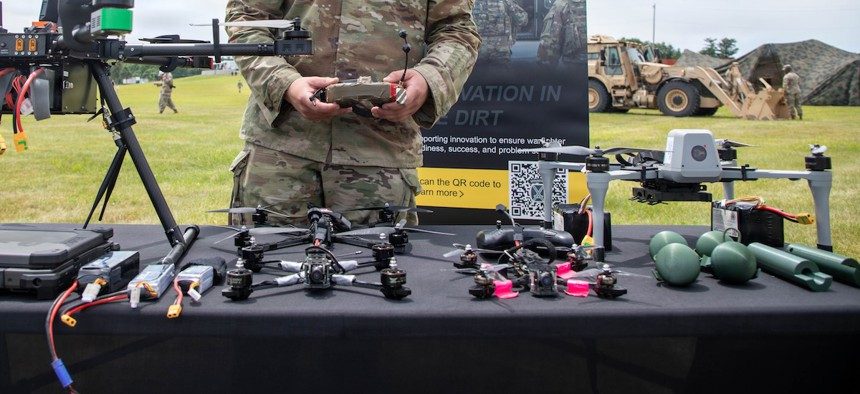
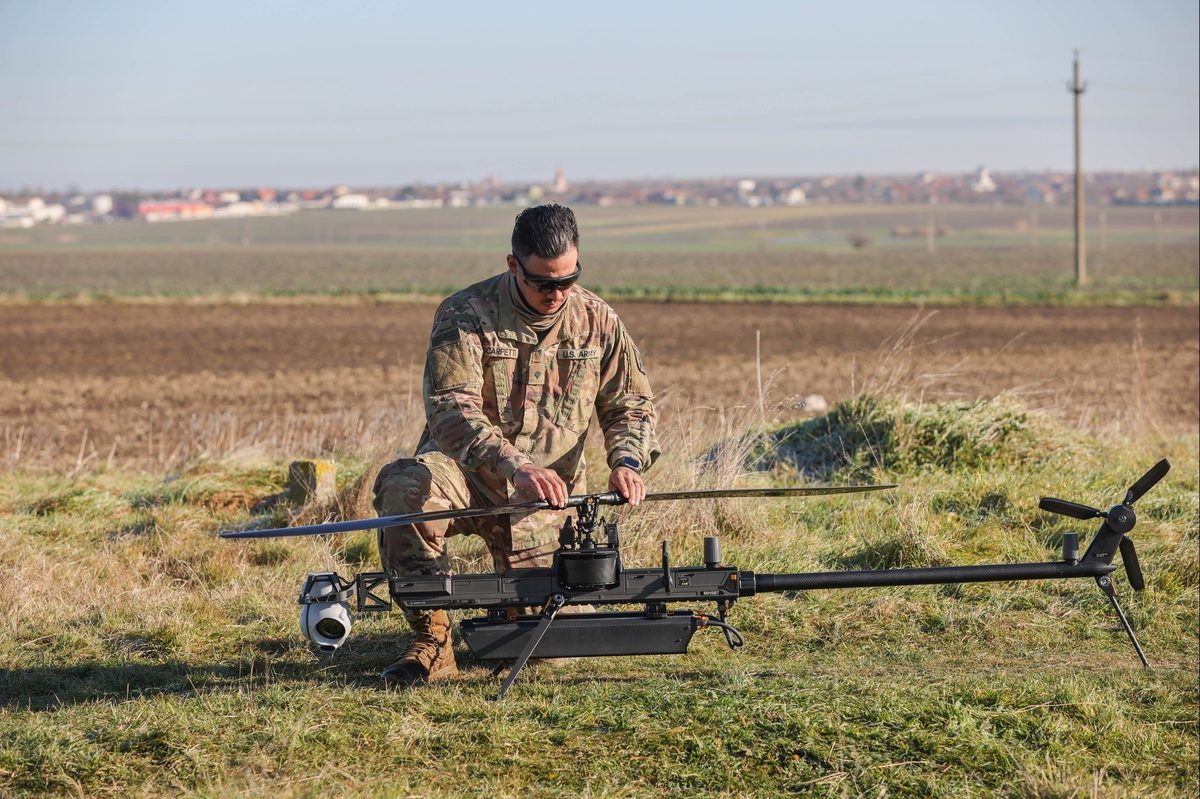
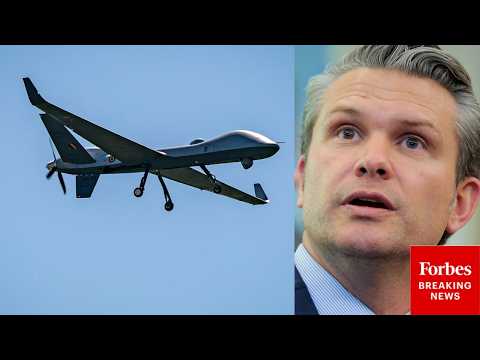
Defense Secretary Pete Hegseth announced the Pentagon's first new combatant command since Space Command in 2019. The Autonomous Warfare Command—AutoWarCom—is a four-star headquarters for buying and fielding drones, robots, and artificial intelligence across every military branch.

The command answers a structural problem: the Pentagon's acquisition system moves too slowly for drone technology that changes in months. Hegseth wants operators and commercial developers working in rapid cycles, with funding pushed toward front-line units. Congress must approve AutoWarCom, and the earliest stand-up date is October 1, 2027.

Why it matters

The Pentagon is shifting how it buys drones and AI—one command will steer procurement to field autonomous weapons in months, not decades.

Questions about this story

Free account needed to ask — your question is kept and asked for you right after sign-up. Answers are public.

No questions yet — be the first to ask.

Key Indicators

11
Existing US combatant commands
AutoWarCom would be the 12th; the last new one, Space Command, arrived in 2019.
2027-10-01
Target stand-up date for AutoWarCom
Hegseth set the goal pending congressional approval; a four-star commander has yet to be named.

Voices

Curated perspectives — historical figures and your fellow readers.

Ever wondered what historical figures would say about today's headlines?

Sign up to generate historical perspectives on this story.

People Involved

Organizations Involved

Timeline

June 2026 September 2026

2 events Latest: 4 days ago
  1. Hegseth announces Autonomous Warfare Command

    Latest Announcement

    At Quantico, Hegseth unveils AutoWarCom, a four-star command for drones and AI. He also launches Project Agincourt, an interim effort led by Owen West and Max Strasiser, with a target stand-up date of October 1, 2027.

  2. Pentagon consolidates unmanned systems under new office

    Reorganization

    Hegseth creates the Direct Reporting Portfolio Manager for Unmanned Systems, reporting to Deputy Secretary Feinberg and absorbing existing drone programs.

Scenarios

1

AutoWarCom reaches initial capability by October 2027

Likely Resolves by Oct 1, 2027

Discussed by: Pentagon leadership and defense procurement analysts

Hegseth's memo directs the DRPM-UxS office to submit a groundwork plan within 30 days. If Congress funds the command in the fiscal year 2027 budget cycle and Hegseth names a four-star commander, AutoWarCom reaches initial operational capability on schedule.

2

Congress delays or conditions funding; command slips past 2027

Possible Resolves by Oct 1, 2027

Discussed by: Congressional appropriations observers

Lawmakers could tie approval to the 2023 DoD policy requiring human judgment over lethal force, or to industrial-capacity limits. A funding shortfall would push the stand-up date and shrink Project Agincourt's pilot programs.

3

AutoWarCom stands up, but service branches keep control of drone programs

Possible Resolves by Jun 1, 2028

Discussed by: Defense acquisition analysts

The Army, Air Force, and Navy each run unmanned programs that predate AutoWarCom. If the command lacks real procurement authority, it becomes a coordination body rather than a hub. Service budgets would show who controls the money.

Historical Context

3 moments from history that rhyme with this story — and how they unfolded.

August 2019

US Space Command (2019)

The Pentagon established US Space Command as the 11th combatant command, consolidating military space operations under one four-star headquarters.

Then

The new command absorbed space responsibilities from the services and stood up its own operational staff.

Now

It became the benchmark for how the Pentagon stands up a new warfighting domain.

Why this matters now

AutoWarCom is the first new combatant command since Space Command, so Space Command's stand-up is the closest recent template for what the DoD is attempting.

October 1415

Battle of Agincourt (1415)

A much smaller English army, mostly longbowmen, defeated a larger French force of armored knights at Agincourt. Massed archers with cheaper, mass-produced longbows cut down the French elite in muddy terrain.

Then

The English victory showed that a cheaper, proliferated weapon used in mass could beat an expensive professional force.

Now

The battle became a standard reference point for arguments about cost asymmetry in warfare.

Why this matters now

Hegseth named his interim program Project Agincourt, signaling the logic he says drives AutoWarCom: cheap drones in mass can defeat costly conventional platforms.

February 2022–present

Ukraine's drone war (2022–present)

Russia's full-scale invasion of Ukraine became the first war fought at scale with mass-produced small drones. Ukraine scaled production rapidly; a Pentagon official said in mid-2026 it builds roughly 500,000 small drones a month.

Then

Cheap drones became decisive for reconnaissance, artillery correction, and strikes, reshaping both sides' tactics.

Now

The war is the empirical case for shifting procurement from expensive platforms toward proliferated drones.

Why this matters now

The production gap between Ukraine's wartime output and US orders is the exact gap AutoWarCom is designed to close.

Sources

(9)