



Pull to refresh
Logo
Army Black Hawk launches autonomous strike drones in landmark test

Army Black Hawk launches autonomous strike drones in landmark test

New Capabilities

H-60M crews now command weaponized Altius-700M drones that find and strike targets up to 160 kilometers away

Yesterday: Landmark test reported by defense media

Overview

Updated 57 minutes ago

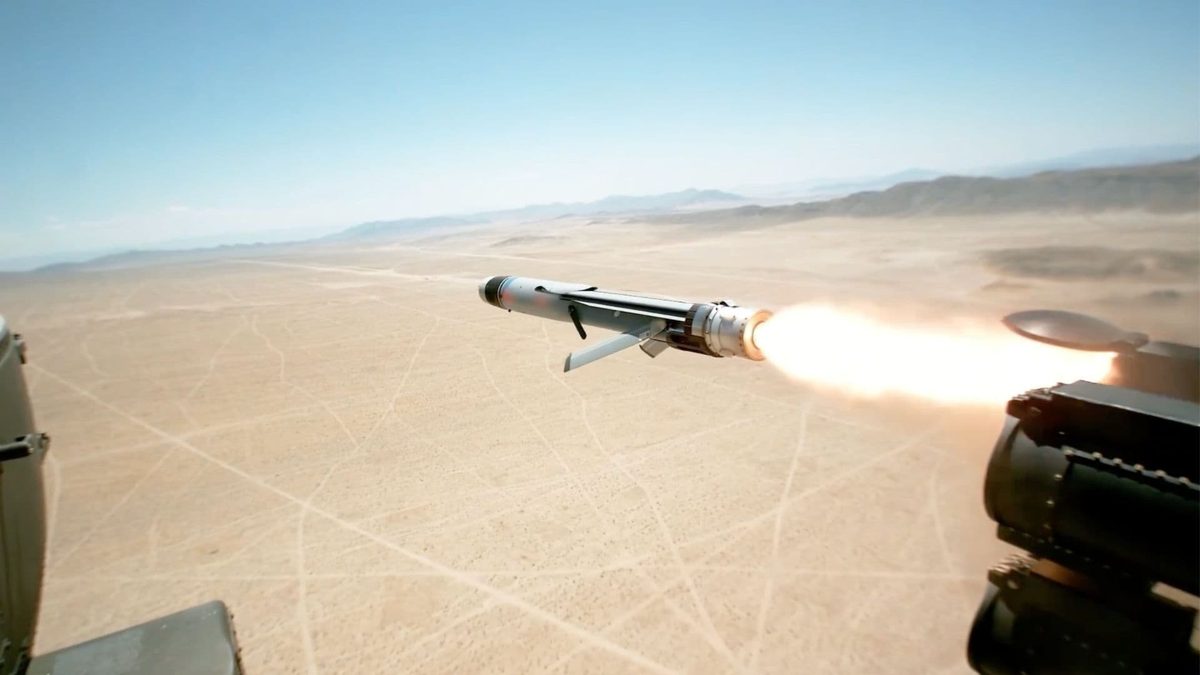
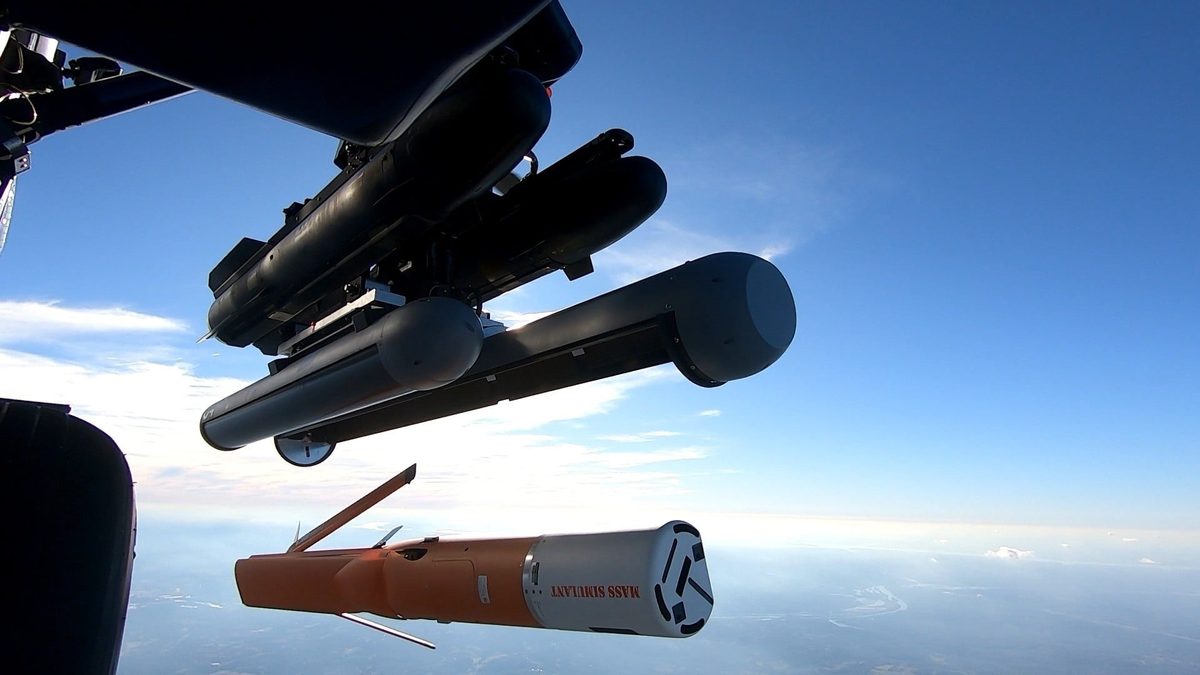
An H-60M Black Hawk helicopter launched several weaponized Altius-700M drones during Project Convergence Capstone 6, and the drones autonomously located and struck their targets without the crew guiding them onto the objective. Anduril released footage of the flight on August 31, showing the helicopters deploying the drones from external pylons over California's Mojave Desert.

The capability turns a utility helicopter into a control node for autonomous drones with a range of about 160 kilometers (100 miles) and a 33-pound warhead. That is a structural shift from the AGM-114 Hellfire, which forces a helicopter to close to roughly 11 kilometers of its target before firing. The Army validated the first production-standard versions of the munition at the exercise and expects operational fielding in 2027.

Why it matters

The Army can now push sensors and strike weapons far beyond a helicopter's line-of-sight range, keeping crews outside the threat envelope while autonomous drones do the dangerous work.

Questions about this story

Free account needed to ask — your question is kept and asked for you right after sign-up. Answers are public.

No questions yet — be the first to ask.

Key Indicators

160 km
Altius-700M published range
The weaponized launched effect can reach about 100 miles from the launch point.
33 lb
Altius-700M warhead weight
The kinetic variant carries a warhead of up to 33 pounds (15 kilograms) for strikes against vehicles, vessels, and infrastructure.
11 km
AGM-114 Hellfire max range
The standard helicopter-launched missile requires the aircraft to close to roughly seven miles of its target, the gap A-LE aims to close.
75 min
Altius-700M endurance
The loitering munition can stay airborne for about 75 minutes per mission.
2027
Expected operational fielding
The Army expects the LRPM to reach operational units in 2027 after production validation at Project Convergence Capstone 6.

Voices

Curated perspectives — historical figures and your fellow readers.

Ever wondered what historical figures would say about today's headlines?

Sign up to generate historical perspectives on this story.

Play

Exploring all sides of a story is often best achieved with Play.

Most of these play right now — no account needed. Sign up to save scores, keep a streak, and unlock Debate and Predict. Log in Sign Up
Predict 3 ways this could play out. Back the one you believe — contrarian picks score more when a scenario has a resolution date. Log in to play

People Involved

Organizations Involved

Timeline

November 2025 September 2026

6 events Latest: Yesterday
Tap a bar to jump to that date
  1. Landmark test reported by defense media

    Latest Report

    Major defense outlets cover the Black Hawk-Altius test as a landmark in manned-unmanned teaming.

  2. Anduril releases Black Hawk A-LE footage

    Statement

    Anduril publishes video showing H-60M launching Altius-700 drones that autonomously strike ground targets.

  3. Army validates production-standard LRPMs

    Milestone

    Army confirms first production-standard Long-Range Precision Munitions validated; clears path to full-rate manufacturing.

  4. Project Convergence Capstone 6 begins

    Exercise

    Three-day flight campaign over Mojave Desert at Fort Irwin, California, testing H-60M A-LE capabilities.

  5. Apache rocket-launches Altius-700 at Yuma

    Test

    AH-64E Apache becomes first attack helicopter to launch an Altius-700 at Yuma Proving Ground.

  6. Army announces intent to accelerate LRPM production

    Policy

    Army says it will accelerate production and delivery of long-range launched effects to operational formations in 2026.

Historical Context

2 moments from history that rhyme with this story — and how they unfolded.

1984-1990s

AGM-114 Hellfire deployment on Apache helicopters (1984-1990s)

The Hellfire missile gave the AH-64 Apache its anti-armor punch, with a range of roughly 8 kilometers in early versions. Helicopter crews had to acquire targets directly or via laser designation from another platform.

Then

The Hellfire made the Apache the Army's premier anti-tank helicopter, but required crews to operate within the range of enemy air defenses.

Now

The Hellfire's range limitation became a vulnerability as air defense systems improved, creating pressure for stand-off weapons like the LRPM.

Why this matters now

The Altius-700M directly addresses the Hellfire's key weakness: the requirement to close to within 11 kilometers of a target. The launched effect extends reach to roughly 160 kilometers, keeping helicopter crews out of the threat envelope.

1995-2001

MQ-1 Predator evolution from surveillance to strike (1995-2001)

The MQ-1 Predator entered service in 1995 as an unarmed reconnaissance drone. By February 2001, the Air Force armed it with Hellfire missiles, turning a surveillance platform into a strike aircraft flown remotely from ground stations.

Then

The armed Predator gave commanders a persistent strike capability that could loiter over targets for hours without risking crewed aircraft.

Now

Established the precedent for uncrewed platforms carrying weapons, reshaping how militaries conduct surveillance and strike operations.

Why this matters now

The Black Hawk-Altius pairing follows the same pattern: taking a platform built for one role and arming its uncrewed companions. But where the Predator was a ground-controlled drone, the Altius-700M is launched from a helicopter and operates semi-autonomously, reducing the crew's workload and keeping the helicopter itself outside the engagement zone.

Sources

(10)