
Pull to refresh
Logo
Penn Medicine launches mobile eye clinic for free screenings in Philadelphia

Penn Medicine launches mobile eye clinic for free screenings in Philadelphia

New Capabilities Philadelphia, PA local

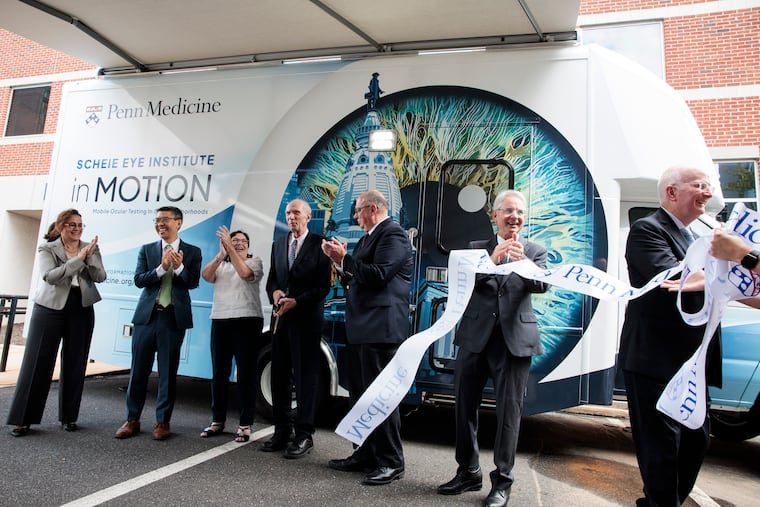
The Scheie Eye Institute in MOTION van brings screening for glaucoma, cataracts, macular degeneration and diabetic retinopathy to underserved neighborhoods.

Overview

Updated 1 hour ago

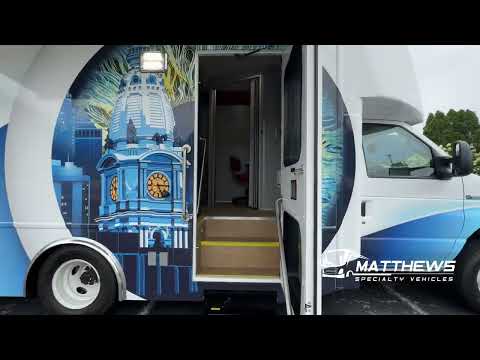
People in Philadelphia without regular eye care can now get screened for glaucoma, cataracts, macular degeneration and diabetic retinopathy from a van that parks in their neighborhood. Penn Medicine's Scheie Eye Institute launched the mobile unit on Monday, Nov. 9, offering free exams to uninsured patients and connecting people with signs of disease to follow-up care.

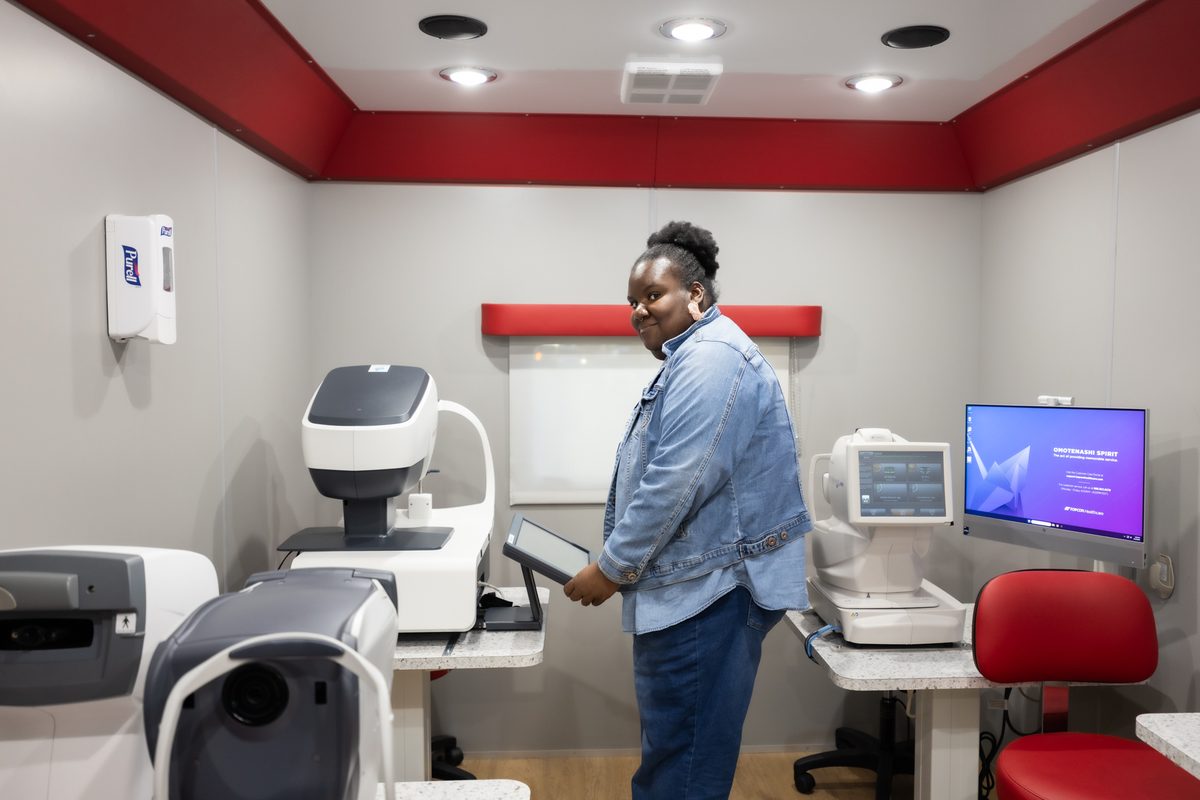
The unit can see up to 25 people a day and has six exam stations. It targets underserved and unhoused residents, groups Penn Medicine says face barriers to routine eye care, and includes social work support to help patients get follow-up appointments.

Why it matters

Free eye screenings in neighborhoods can catch preventable blindness earlier for people who rarely see an eye doctor.

Last Monday's email for Philadelphia, PA

Sent Nov 9. It carried:

Get next Monday's: one short email a week. Free. Unsubscribe in one click.

Questions about this story

Free account needed to ask — your question is kept and asked for you right after sign-up. Answers are public.

No questions yet — be the first to ask.

Key Indicators

25
Patients per day
Maximum daily capacity of the mobile eye clinic.
6
Exam stations
Screening stations inside the van.
4
Leading causes of blindness screened
Glaucoma, cataracts, macular degeneration and diabetic retinopathy.
Free
Cost for uninsured patients
Exams are free for people without insurance.

Voices

Curated perspectives — historical figures and your fellow readers.

Sign up to generate historical perspectives on this story.

People Involved

Organizations Involved

Timeline

1 event Latest: 2 days ago
  1. Penn Medicine launches mobile eye screening van

    Latest Launch

    The Scheie Eye Institute in MOTION begins free eye screenings in Philadelphia neighborhoods, with capacity for 25 patients a day.

Scenarios

1

Mobile eye clinic adds more Philadelphia neighborhoods

Likely Resolves by Nov 9, 2027

Discussed by: Penn Medicine program leaders and WHYY reporting on the launch

If demand is high and follow-up care works, Penn Medicine could schedule additional stops or add a second unit. The program's design already includes social work support to close the loop from screening to treatment.

2

Penn Medicine ends mobile eye clinic after one year

Unlikely Resolves by Nov 9, 2027

Discussed by: No public official has predicted this; it is a risk implied by reliance on donated funding

The unit depends on gifts from private donors and foundations. If funding or staffing falls short, Penn Medicine could suspend or close the program.

3

Penn Medicine makes mobile eye clinic permanent

Possible Resolves by Nov 9, 2027

Discussed by: Penn Medicine program materials and WHYY reporting

If screening volumes and follow-up rates meet expectations, Penn Medicine could fold the unit into its regular ophthalmology services. That would make the van a lasting part of the health system rather than a donor-funded pilot.

Historical Context

2 moments from history that rhyme with this story — and how they unfolded.

Before 2026

New York City mobile eye screening outreach (before 2026)

Before joining Penn Medicine, Lama Al-Aswad took part in an outreach effort in New York City that screened more than 8,500 people. More than half had never seen an eye doctor, whether or not they had insurance. The effort showed that access was a major barrier to care.

Then

The data shaped Al-Aswad's view that mobile screening could reach people who avoid traditional clinics.

Now

She brought that model to Philadelphia, where planning for the Scheie Eye Institute in MOTION took more than a year.

Why this matters now

The Philadelphia unit is designed around the same access problem: people who need eye care do not get it until disease is advanced.

Summer 2026

Penn Medicine mobile breast cancer screening unit (2026)

Penn Medicine launched a mobile breast cancer screening unit last summer. The unit built on the health system's effort to make cancer screenings more accessible.

Then

It gave Penn Medicine experience operating screening services outside hospitals.

Now

That experience informed the eye unit's design and its focus on neighborhood-based care.

Why this matters now

The eye van follows a pattern of moving screening into communities rather than waiting for patients to come to a hospital.

Sources

(2)