

Pull to refresh
Logo
Poland joins European anti-ballistic missile coalition

Poland joins European anti-ballistic missile coalition

New Capabilities

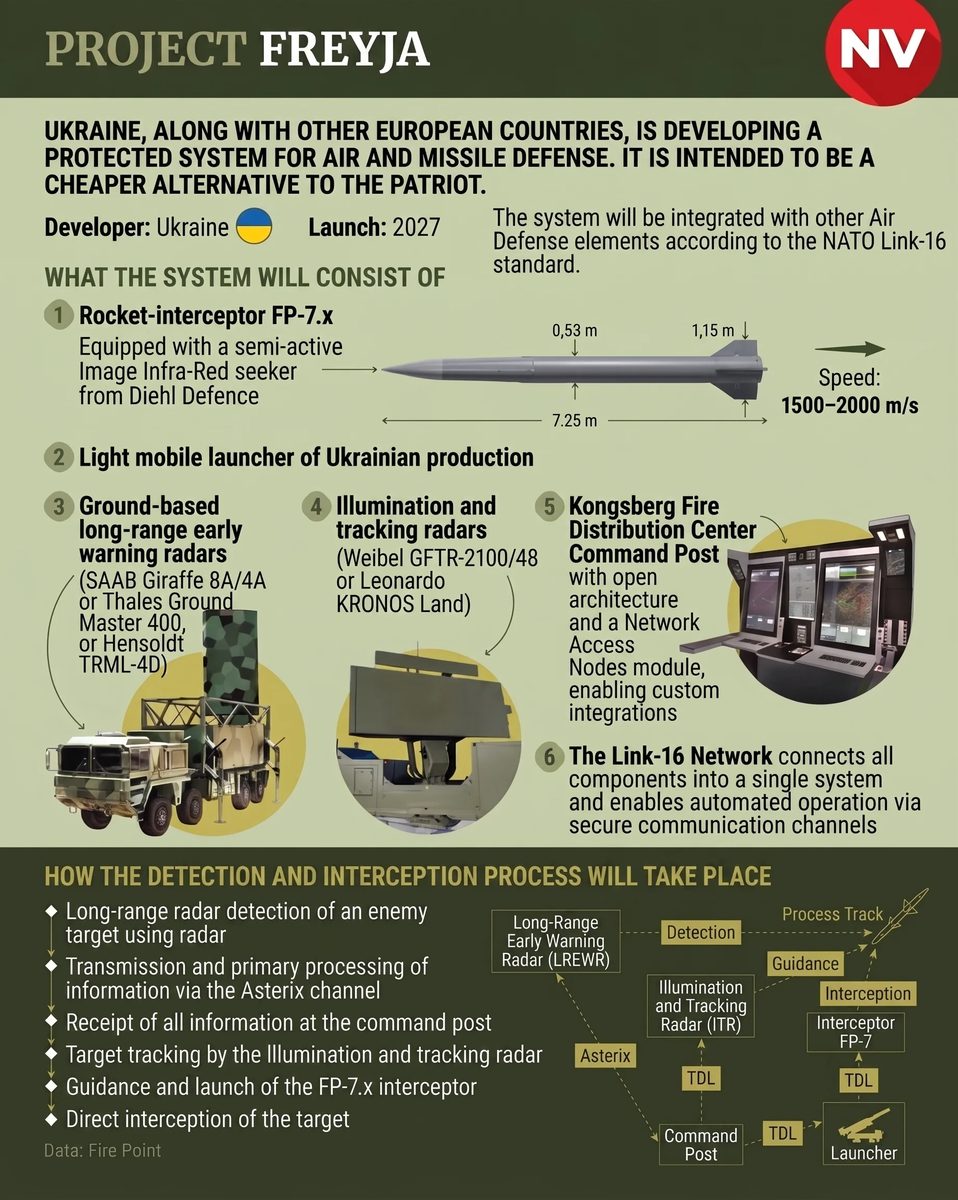
FREYJA programme pairs Ukrainian interceptor with European radars; prototype targeted for early 2027

2 days ago: Tusk announces Poland joins coalition at Lviv summit

Overview

Updated 1 hour ago

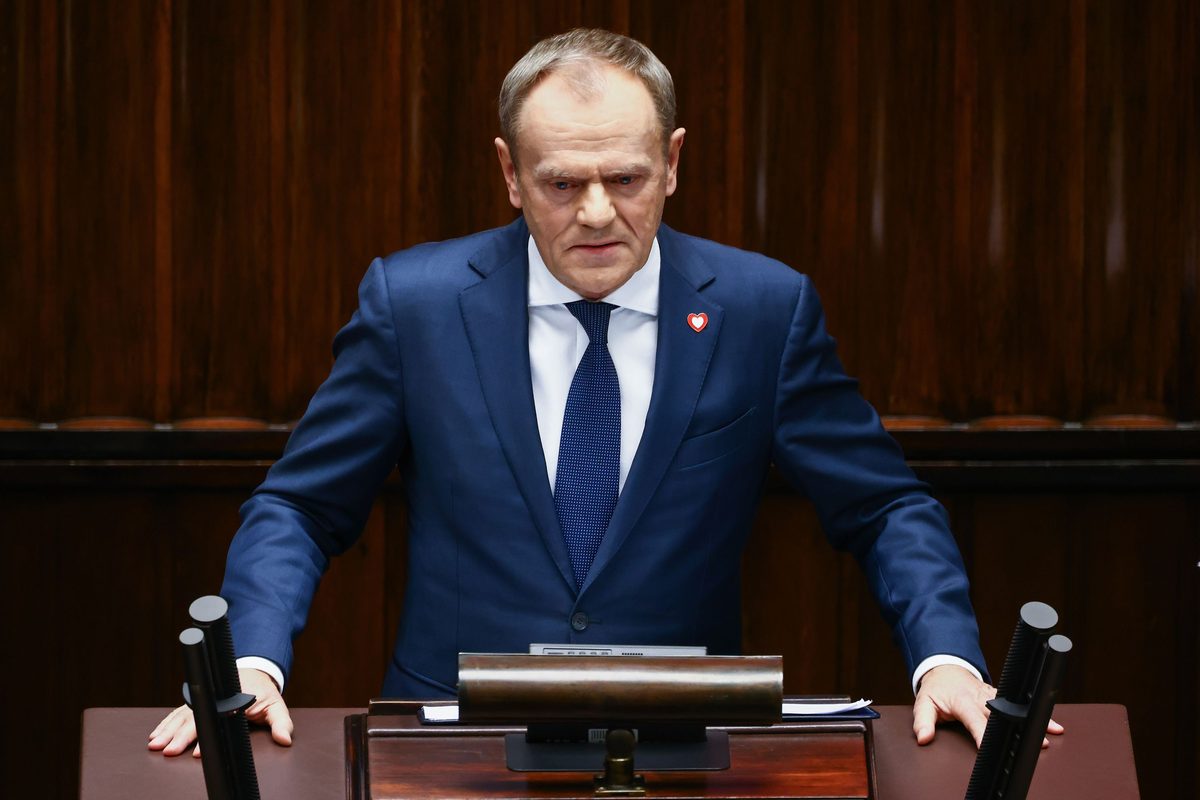
Poland sat out the Anti-Ballistic Missile Coalition when it launched in July. On September 18, Prime Minister Donald Tusk announced Poland had joined, ending a two-month gap that Warsaw attributed to "a certain misunderstanding."

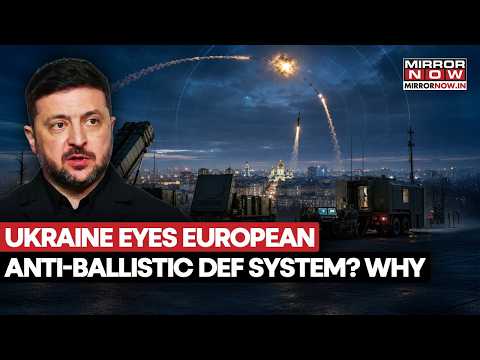
The coalition is building FREYJA, a missile defense system pairing a Ukrainian interceptor with European radars and command systems. It aims to be a cheaper complement to the US-made Patriot systems Europe currently relies on, with a prototype targeted for the first half of 2027.

Why it matters

Poland's entry widens the industrial and geographic base of a European effort to field missile defense without US Patriot dependence.

Questions about this story

Free account needed to ask — your question is kept and asked for you right after sign-up. Answers are public.

No questions yet — be the first to ask.

Key Indicators

11
Coalition member countries
Ten founding members plus Poland, which joined September 18, 2026.
2,000
Annual interceptor production target
Fire Point aims to build up to 2,000 FP-7.x interceptors per year.
10+
Companies in FREYJA consortium
Including Fire Point, Kongsberg, Saab, Diehl Defence, Hensoldt, Thales, Safran, Leonardo, and others.
~300 days
Time to first intercept test target
First ballistic interception test is expected around July 2027.

Voices

Curated perspectives — historical figures and your fellow readers.

Ever wondered what historical figures would say about today's headlines?

Sign up to generate historical perspectives on this story.

People Involved

Organizations Involved

Timeline

July 2026 September 2026

3 events Latest: 2 days ago
  1. Tusk announces Poland joins coalition at Lviv summit

    Latest Statement

    At the first Carpathian summit with leaders from eight countries, Polish Prime Minister Donald Tusk confirms Poland has joined the Anti-Ballistic Missile Coalition.

  2. Ukraine sets FREYJA prototype target

    Milestone

    Kyiv announces it wants the FREYJA prototype, codenamed after a Norse goddess, ready in the first half of 2027.

  3. Ten countries launch Anti-Ballistic Missile Coalition in Paris

    Treaty Declaration

    Denmark, France, Germany, Italy, Netherlands, Norway, Spain, Sweden, Ukraine, and the UK sign the joint declaration founding the coalition.

Scenarios

1

FREYJA passes first intercept test on schedule

Possible Resolves by Jul 31, 2027

Discussed by: Fire Point CEO Iryna Terekh and Ukrainian officials, who have pushed for concurrent development

Coalition partners integrate the FP-7.x interceptor with European radars and command systems through late 2026 and early 2027. A successful ballistic interception test around July 2027 validates the open-architecture approach and clears the path toward serial production of up to 2,000 interceptors per year. Polish companies win contracts for radar components and command-and-control software, deepening Warsaw's role.

2

FREYJA development slips, intercept test pushed to 2028

Uncertain Resolves by Aug 31, 2027

Discussed by: Defense analysts noting that multinational weapons programs face cost and coordination pressures

Technical integration challenges with roughly a dozen companies across 11 countries, funding gaps, or industrial disputes push the first intercept test into 2028 or later. The coalition's H1 2027 prototype goal is quietly revised. Poland's promised industrial contribution takes longer to materialize as contract terms are negotiated across national borders.

3

Coalition expands beyond 11 members

Possible Resolves by Sep 18, 2027

Discussed by: Coalition leaders, whose founding declaration says the group remains open to other nations

Additional European countries, possibly among the Carpathian summit attendees (Romania, Slovakia, Czech Republic, Austria, Hungary), join the coalition over the next year. Romania and Slovakia, both NATO members bordering Ukraine, are plausible candidates. Each new member adds industrial capacity and geographic coverage for the integrated shield. Poland's accession may signal to other fence-sitters that membership has tangible benefits.

Historical Context

3 moments from history that rhyme with this story — and how they unfolded.

2004 to 2011

MEADS collapse (2004-2011)

The United States, Germany, and Italy spent over a decade and billions of dollars developing the Medium Extended Air Defense System (MEADS) as a Patriot successor. The US Army withdrew in 2011 citing cost overruns, and the program collapsed.

Then

Germany and Italy salvaged some components for national programs; billions in development were written off.

Now

The failure reinforced European skepticism about US-led joint missile defense development and the risks of multinational cost-sharing.

Why this matters now

FREYJA faces the same pressures of multinational coordination and cost control that doomed MEADS. Whether European-only leadership changes the outcome is the central question.

1990s to 2011

SAMP/T enters service (2001-2011)

France and Italy built the SAMP/T medium-range air defense system through the Eurosam consortium, developing a deployment-ready European alternative to the Patriot through the 1990s and 2000s. It entered service in 2011 and has since been exported to several countries.

Then

Gave European militaries a domestically produced medium-range air defense option independent of US supply chains.

Now

Demonstrated that two European nations could jointly build an operational missile defense system, though SAMP/T never matched Patriot's production scale.

Why this matters now

Shows a precedent for European alternatives to US systems succeeding. FREYJA is attempting the same feat at a larger scale with 11 countries and a Ukrainian-built interceptor.

October 2022 onward

European Sky Shield Initiative (2022-)

Germany launched the European Sky Shield Initiative (ESSI) in response to Russia's full-scale invasion of Ukraine. More than 20 countries joined a framework for jointly procuring air defense systems, including German IRIS-T, US Patriot, and Israeli Arrow systems.

Then

Created a broad European procurement framework for air defense, but one heavily reliant on US and Israeli hardware.

Now

ESSI and FREYJA now overlap: both aim to close European air defense gaps, but only FREYJA seeks a fully European, Ukraine-led alternative to US systems.

Why this matters now

FREYJA competes for the same European defense budgets and political attention as ESSI. Whether the two initiatives merge or diverge will shape Europe's air defense architecture.

Sources

(10)