

Pull to refresh
Logo
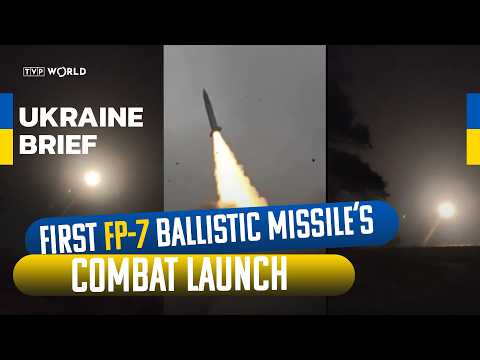
Ukraine uses its FP-7 ballistic missile in combat for the first time

Ukraine uses its FP-7 ballistic missile in combat for the first time

New Capabilities

Zelenskyy announced the strike but won't say what it hit; Fire Point now gears up for production

3 days ago: FP-7 used in combat for first time

Overview

Updated 2 hours ago

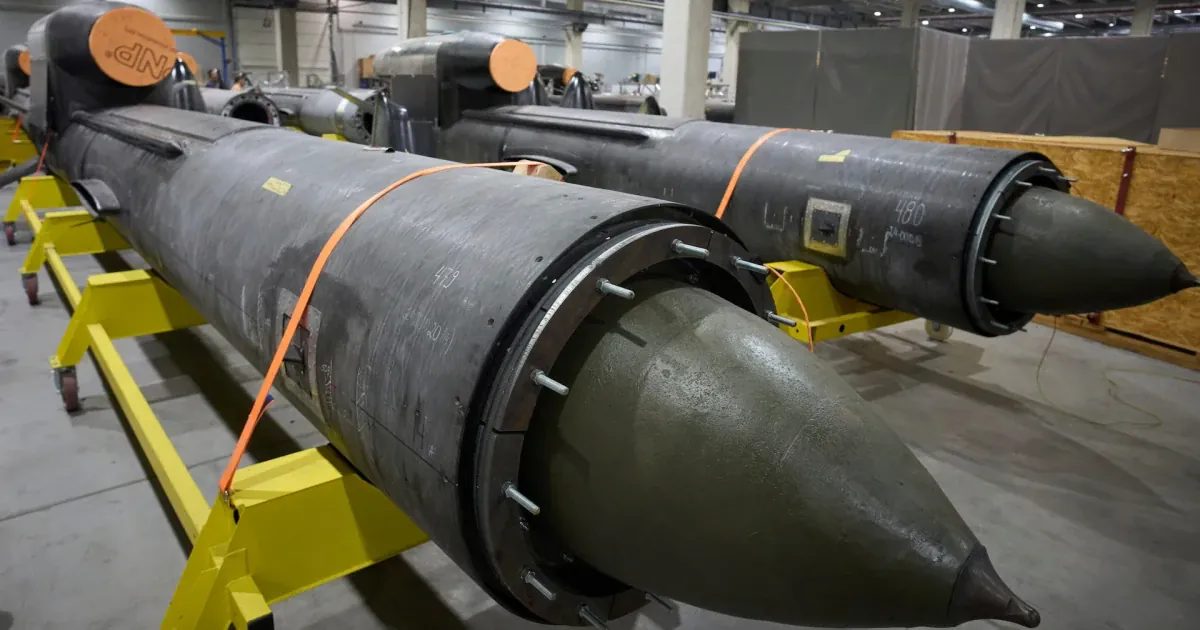
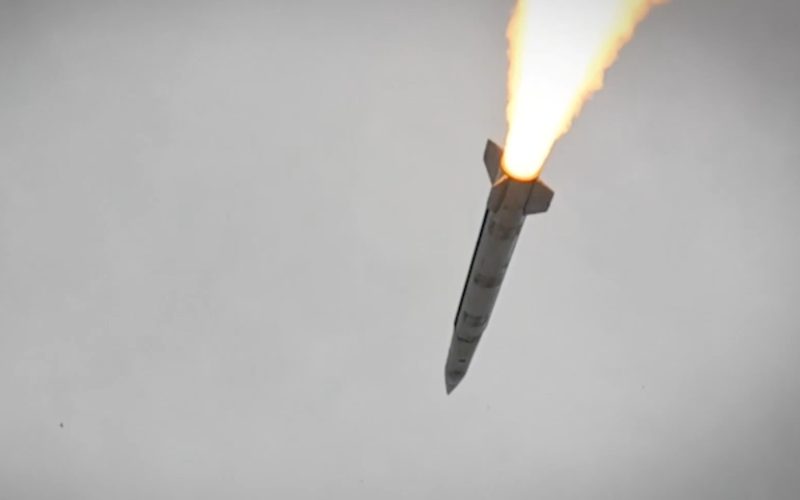
Ukraine said on October 1 that it fired its domestically built FP-7 ballistic missile in combat for the first time, a milestone in its push to build strike weapons without relying on Western supplies. President Volodymyr Zelenskyy announced the strike on Telegram but did not say where it hit or what it targeted.

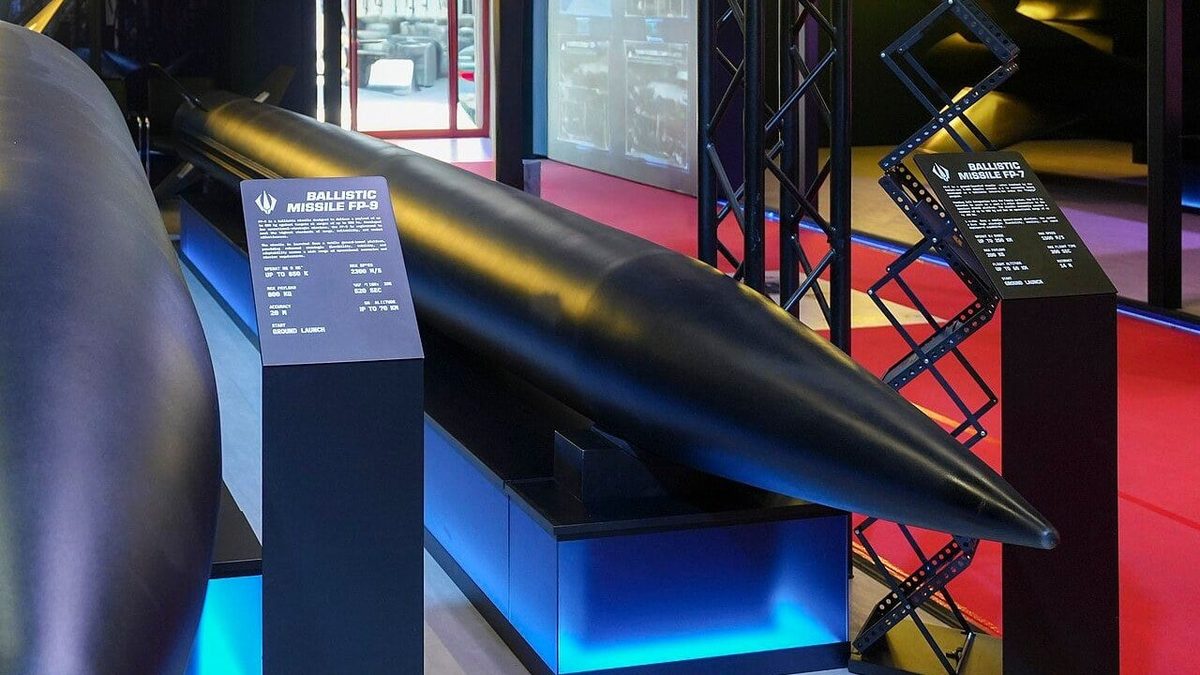
The FP-7 is a short-range ballistic missile, comparable to the US-made ATACMS, that can reach targets roughly 200 to 250 km behind the front line. Whether Fire Point, the company behind it, can move from a single combat debut to mass production will determine if the missile changes Ukraine's long-range strike balance or remains a one-off demonstration.

Why it matters

If Ukraine can mass-produce the FP-7, it gains a cheap, unrestricted ballistic missile that cuts its reliance on Western strike weapons.

Questions about this story

Free account needed to ask — your question is kept and asked for you right after sign-up. Answers are public.

No questions yet — be the first to ask.

Key Indicators

~250 km
FP-7 claimed range
Fire Point says the missile reaches targets up to 250 km; Reuters cites about 200 km.
1,500 m/s
FP-7 top speed
About 3,355 mph, giving a short flight time that makes interception difficult.
~200 kg
FP-7 warhead
Fire Point claims 200 kg; The War Zone reports around 150 kg.
850 km
FP-9 in-development range
Fire Point says the FP-9, an 850 km-range missile, should be ready by end of 2026.

Voices

Curated perspectives — historical figures and your fellow readers.

Ever wondered what historical figures would say about today's headlines?

Sign up to generate historical perspectives on this story.

People Involved

Organizations Involved

Timeline

January 2022 October 2026

5 events Latest: 3 days ago
Tap a bar to jump to that date
  1. FP-7 used in combat for first time

    Latest Military

    Zelenskyy announces the FP-7's first combat use against Russia; target and location undisclosed.

  2. FP-7 due to enter service within weeks

    Statement

    Fire Point CEO Iryna Terekh says the FP-7 is weeks from entering service at a Poland defense conference.

  3. Air defense coalition advances Freyja

    Agreement

    Ukraine and Western allies announce a coalition to jointly develop Project Freyja, a cheaper Patriot alternative.

  4. FP-7 revealed as ATACMS analog

    Statement

    Fire Point's chief designer describes the FP-7 as a cheaper ATACMS equivalent in a March interview.

  5. Fire Point founded

    Founding

    Ukrainian defense company Fire Point is established, later producing drones, cruise missiles, and the FP-7.

Scenarios

1

FP-7 scales to regular battlefield use

Possible Resolves by Q2 2027

Discussed by: Fire Point's Denys Shtilerman; Ukrainian defense officials

Fire Point expands output to multiple missiles a month, making the FP-7 a routine strike weapon against front-line targets like command posts, air defenses, and drone launch sites. With no US restriction on targets, it complements ATACMS and cuts Ukraine's dependence on Western stocks. The War Zone notes the key test is moving from combat debut to sustained production.

2

FP-7 output stays minimal; first use proves symbolic

Possible Resolves by Q2 2027

Discussed by: The Wall Street Journal (via Defense Express); The War Zone

Limited Ukrainian defense-industrial capacity and questions about Fire Point's ownership keep production to a handful of missiles. Analysts cited by the WSJ say the October 1 strike may carry more symbolic than military weight, leaving the long-range strike balance unchanged.

3

FP-7.X wins European missile defense role

Possible Resolves by Jul 31, 2027

Discussed by: Fire Point; Project Freyja partners

The FP-7.X, an anti-ballistic interceptor derived from the FP-7, is chosen for Europe's Project Freyja, which aims to build a cheaper alternative to the US Patriot system. Fire Point says commonality with the proven FP-7 shortens development and enables mass production. Ukraine wants a prototype in the first half of 2027.

Historical Context

2 moments from history that rhyme with this story — and how they unfolded.

April 2022

Ukraine's Neptune sinks the Moskva (2022)

Two domestically built Neptune anti-ship cruise missiles struck and sank the Russian guided-missile cruiser Moskva in the Black Sea on April 14, 2022. It was the flagship of Russia's Black Sea Fleet and the largest warship sunk in combat in decades.

Then

The strike proved Ukraine's domestic missiles could deliver strategic results, boosting morale and showing Russia's navy was vulnerable.

Now

Ukraine accelerated domestic missile development, expanding from anti-ship cruise missiles to ground-attack systems like the FP-7.

Why this matters now

The Moskva strike showed one domestically built weapon could shift the war's dynamics. The FP-7 aims for a similar effect on land, targeting command posts and air defenses within 250 km.

2018-2022

Ukraine's Hrim-2 ballistic missile program stalls (2018-2022)

Ukraine's Yuzhnoye design bureau worked on the Hrim-2 (Grom-2), an operational-tactical ballistic missile, testing it in the late 2010s. Russia's 2022 invasion disrupted the program before it reached mass production.

Then

The program was largely frozen, leaving Ukraine dependent on Western-supplied ATACMS and cruise missiles for long-range strikes.

Now

The FP-7 builds on lessons from that effort, using modern components and Soviet-era interceptor design to reach the field faster.

Why this matters now

The Hrim-2 gap explains why the FP-7's combat debut matters: it is Ukraine's first fielded ballistic missile, a capability it tried and failed to field before the war.

Sources

(8)