
Pull to refresh
Logo
Purdue and federal lab remotely control nuclear reactor power in real time for first time in U.S.

Purdue and federal lab remotely control nuclear reactor power in real time for first time in U.S.

New Capabilities

All-digital PUR-1 reactor operated autonomously from Idaho, moving nuclear toward centralized remote monitoring

July 15th, 2026: Remote autonomous control demonstrated

Overview

Updated Yesterday

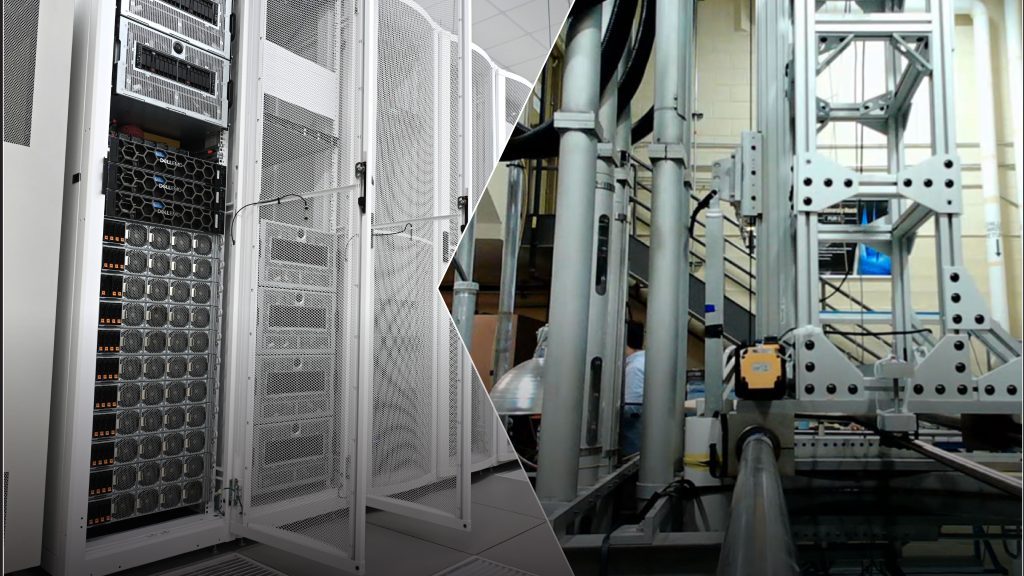
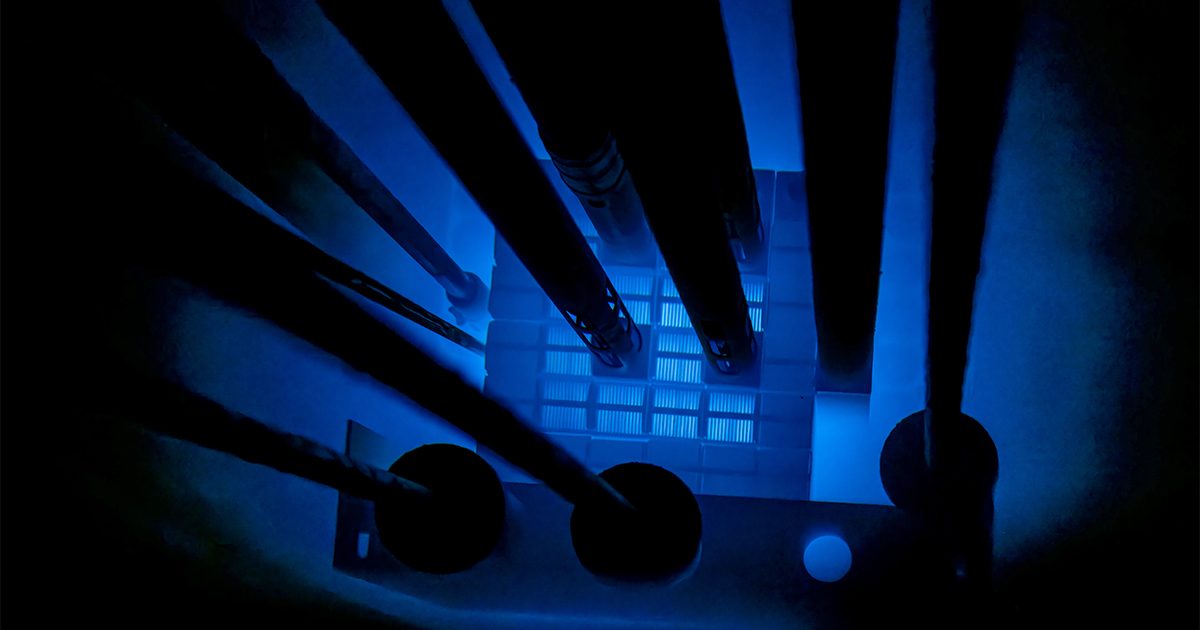
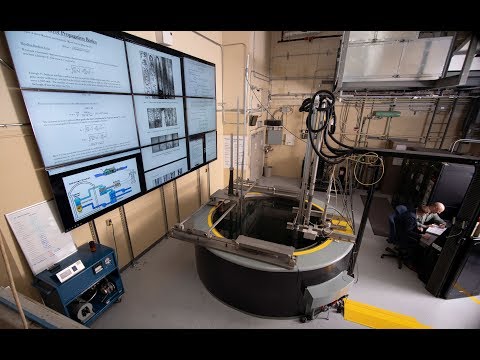
Engineers at Purdue University and Idaho National Laboratory remotely adjusted the power of a working research reactor in real time, without anyone touching a control rod on site. The demonstration used an automatic digital control loop and then a reinforcement learning model, linking high-performance computers in Idaho, the reactor in Indiana, and a Microsoft Azure cloud in Virginia.

This is the first time researchers have done this in the United States. The reactor's own safety systems stayed in full control throughout, and the work points toward a future where small modular reactors and microreactors could be operated from distant control centers rather than requiring full staffing at each site.

Why it matters

If remote autonomous control matures, advanced small reactors could be monitored from centralized control rooms, cutting operating costs and enabling deployment in remote communities.

Questions about this story

Free account needed to ask — your question is kept and asked for you right after sign-up. Answers are public.

No questions yet — be the first to ask.

Key Indicators

First U.S. real-time autonomous reactor power adjustment
Demonstration milestone
First time a U.S. reactor's power was adjusted remotely and automatically in real time.
3
Linked sites
HPC systems in Idaho, PUR-1 reactor in Indiana, Azure cloud in Virginia operated together.
1990
Year PUR-1 began operating
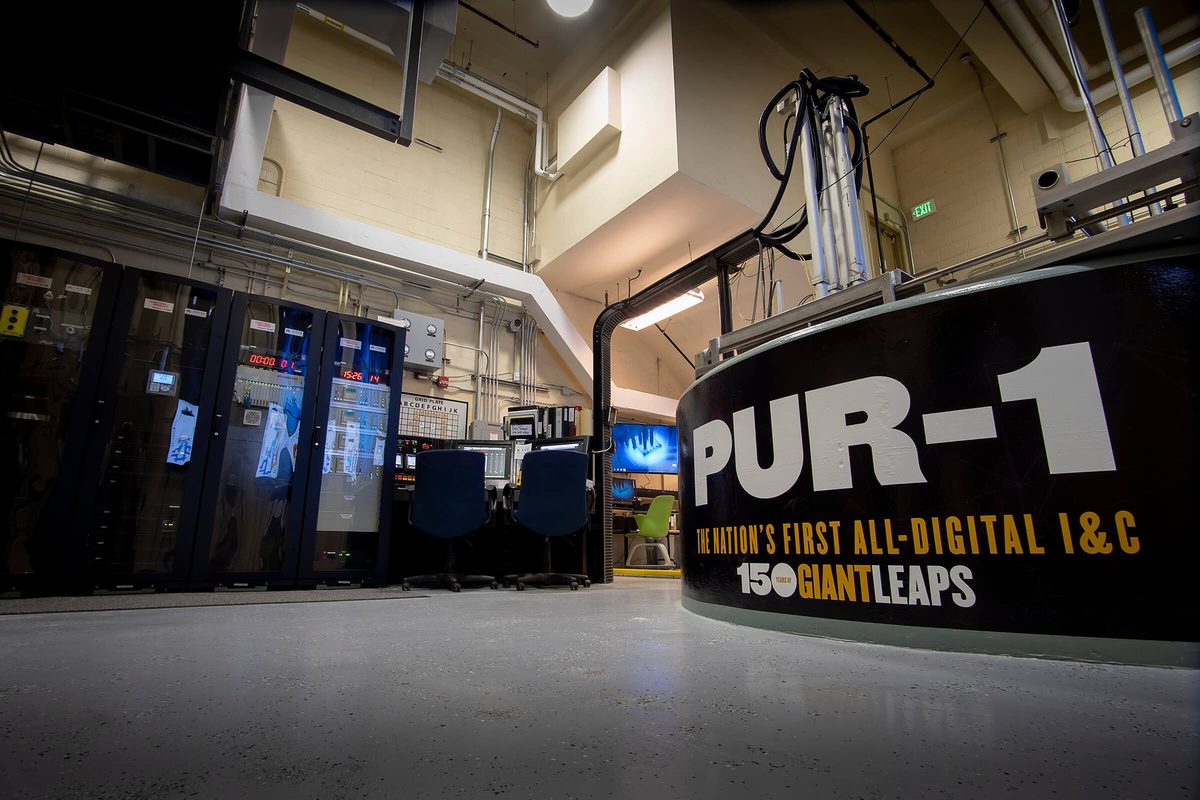
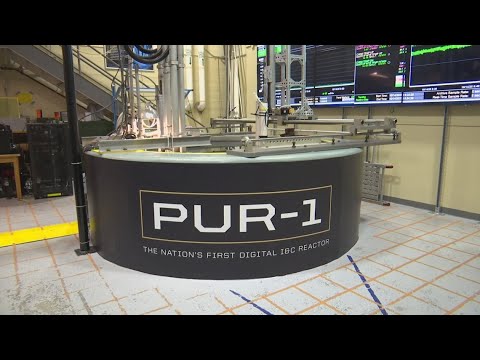
PUR-1 was built in 1962 and converted from analog to digital controls in 2019.

Voices

Curated perspectives — historical figures and your fellow readers.

Ever wondered what historical figures would say about today's headlines?

Sign up to generate historical perspectives on this story.

People Involved

Organizations Involved

Timeline

March 1962 July 2026

5 events Latest: July 15th, 2026 · 2 months ago
Tap a bar to jump to that date
  1. Remote autonomous control demonstrated

    Latest Milestone

    Researchers in Idaho, Indiana, and Virginia linked systems to adjust PUR-1 power autonomously in real time.

  2. Secure reactor communications demonstrated

    Technology

    INL and partners demonstrated secure remote communication with the reactor, building toward autonomous operation.

  3. Digital twin of PUR-1 completed

    Technology

    Chatzidakis lab builds physics- and data-driven simulation receiving real-time sensor measurements.

  4. PUR-1 converted to all-digital control

    Upgrade

    Instrumentation and control system switched from analog dials to digital screens, with DOE support.

  5. PUR-1 reactor built at Purdue

    Infrastructure

    Low-power research reactor constructed for education and research.

Scenarios

1

NRC issues guidance for remote monitoring of advanced reactors

Likely Resolves by End of 2027

Discussed by: INL researchers and NRC documents referenced in the demonstration

The demonstration aligns with NRC requirements by operating alongside, not replacing, safety controls. If the regulatory agency formalizes guidance for remote monitoring based on this approach, it would clear a path for small modular reactor operators to seek approval for centralized control. The genesis is the DOE's Genesis Mission, which aims to accelerate nuclear energy design with human-in-the-loop workflows.

2

Purple teams demonstrate same capability on a second reactor design

Possible Resolves by End of 2028

Discussed by: INL, Purdue, and University of Illinois researchers

The team proved the concept on PUR-1, a low-power research reactor. The next step is validating the approach on a different reactor type, possibly a microreactor test bed. Success would demonstrate the control framework is portable beyond one facility.

3

Autonomous control remains a research demonstration, not an industry standard

Unlikely Resolves by End of 2030

Discussed by: Industry observers noting regulatory and cost barriers

The demonstration is a proof of concept, but commercial adoption faces hurdles: NRC licensing for autonomous systems, cybersecurity requirements, and utility willingness to invest in digital infrastructure. PUR-1's all-digital design is unique; most U.S. reactors still rely on analog systems. Scaling the approach could take decades.

Historical Context

2 moments from history that rhyme with this story — and how they unfolded.

March 1979

Three Mile Island accident and control room design reforms (1979)

A partial meltdown at Three Mile Island in Pennsylvania exposed problems with analog control room design — operators were overwhelmed by alarms and lacked clear information. The accident led to sweeping changes in operator training and control room design.

Then

The Nuclear Regulatory Commission mandated extensive changes to control rooms and training.

Now

Human factors engineering became central to reactor design. PUR-1's digital controls continue that evolution.

Why this matters now

The push for digital, remotely operable reactors is driven partly by the recognition that better information display and automation can reduce human error — the kind of error that contributed to TMI.

1987-1995

Commercial aviation's transition to digital fly-by-wire (1980s-1990s)

Airbus introduced the A320 in 1987 with fly-by-wire controls, replacing mechanical linkages with digital signals. Pilots initially distrusted the system, and debates about autonomy vs. human control followed.

Then

The A320 proved reliable; Airbus and Boeing adopted fly-by-wire across their fleets.

Now

Digital control became the standard, enabling automated features like envelope protection that improved safety.

Why this matters now

Like aviation's shift from mechanical to digital controls, nuclear reactors are moving from analog dials to digital systems. The PUR-1 demonstration is the first step toward autonomous operation.

Sources

(6)