



Pull to refresh
Logo
Remittances to developing nations nearly double in a decade

Remittances to developing nations nearly double in a decade

Money Moves

Migrant transfers hit $728 billion in 2025, now exceeding foreign investment

Today: IFAD releases Sending Money Home 2026 report

Overview

Updated 10 minutes ago

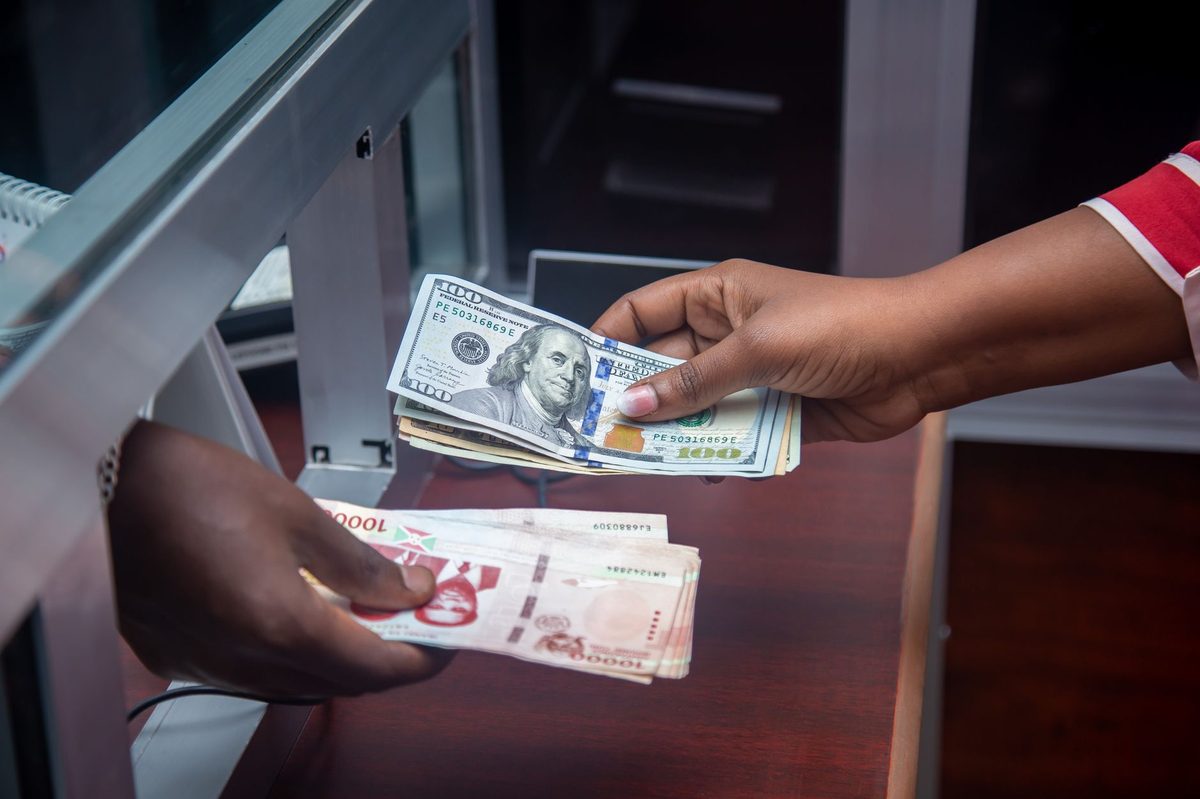
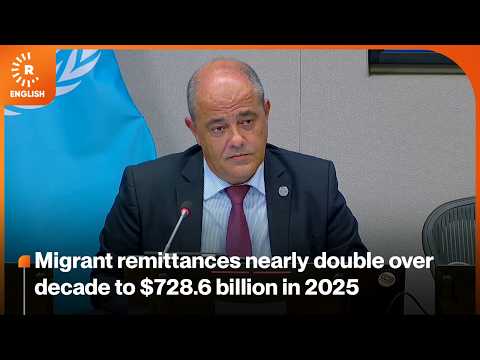
Migrants sent $728.6 billion home to families in developing countries in 2025, nearly double the 2016 total. The sum now tops foreign direct investment into those countries and is more than four times global development aid.

The rise outpaced migration itself: the number of migrants grew 28% while transfers grew 94%, so each migrant is sending more. Roughly 220 million migrants support 1.1 billion relatives, mostly in transfers of $300 to $400 sent nine or ten times a year.

Why it matters

Remittances now exceed foreign investment in developing countries, making millions of families dependent on migration policy in the US and Europe.

Questions about this story

Free account needed to ask — your question is kept and asked for you right after sign-up. Answers are public.

No questions yet — be the first to ask.

Key Indicators

$728.6B
2025 remittances to low and middle income countries
Nearly double the 2016 level, per IFAD's Sending Money Home 2026 report.
94%
Remittance growth, 2016 to 2025
Outpaces the 28% rise in migrant numbers over the same period.
$384.9B
Asia and Pacific receipts in 2025
53% of the global total, making it the largest receiving region.
30%
Remittances as share of Honduras GDP
El Salvador is at 28% and Nicaragua 27%, among the most exposed economies.
240%
Remittance inflow growth, 2005 to 2024
World Bank data while global FDI fell to roughly $1 trillion in 2024.

Voices

Curated perspectives — historical figures and your fellow readers.

Ever wondered what historical figures would say about today's headlines?

Sign up to generate historical perspectives on this story.

People Involved

Organizations Involved

Timeline

December 2005 September 2026

6 events Latest: Today
Tap a bar to jump to that date
  1. IFAD releases Sending Money Home 2026 report

    Today Report

    UN agency reports the decade-long doubling; UN News, Human Progress, and regional outlets cover it.

  2. Remittances reach $728.6 billion

    Data

    Flows up 94% from 2016, exceeding both ODA and FDI to developing countries.

  3. FDI falls to $1 trillion, India inflows hit $138 billion

    Data

    Global FDI drops to its lowest since 2005 while India's remittances grow six-fold from 2005.

  4. Remittances stand near $376 billion

    Data

    IFAD's baseline year; flows to developing countries roughly half of the 2025 total.

  5. Global FDI peaks above $3 trillion

    Data

    Foreign direct investment hits its all-time high, the peak before a long decline.

  6. India remittances total $22 billion

    Data

    World Bank records India's inflows at $22 billion; FDI still dwarfs transfers to developing nations.

Scenarios

1

Deportations cut remittance lifelines in Central America

Possible Resolves by End of 2027

Discussed by: IFAD's 2026 report; World Bank WDI analysis

Tighter US enforcement could reduce both the number of senders and the amounts they send. Honduras, El Salvador, and Nicaragua get 27% to 30% of GDP from remittances, and a study cited by IFAD found 61% of Guatemalan returnees were the main earner in their households. Involuntary return means a sudden income loss for relatives left behind.

2

Remittance growth holds despite tighter borders

Likely Resolves by End of 2027

Discussed by: Pedro de Vasconcellos, IFAD, in September 2026 press briefing

Family needs keep flows resilient during crises, and figures do not yet show a broad decline despite tougher migration policies in the US and Europe. Migrants tend to prioritize supporting relatives even amid economic or political uncertainty, which has protected flows through past downturns.

3

Digitalization cuts transfer costs, boosting family income

Possible Resolves by Q1 2028

Discussed by: IFAD Financing Facility for Remittances

Digital transfers cost about 4.6% versus 7.3% for non-digital services, so shifting more flows online puts more money in family hands. More than half of remittances now begin digitally, but only 35% of services are fully digital from sender to recipient. IFAD is pressing for cheaper transfers and better access to savings, insurance, and investment tools.

Historical Context

3 moments from history that rhyme with this story — and how they unfolded.

1961–1973

Turkish guest workers (1961–1973)

West Germany signed its first labor recruitment agreement with Turkey in 1961, and by 1973 over 800,000 Turkish workers had moved there. The Gastarbeiter sent home hard currency that financed Turkish infrastructure and industry.

Then

Remittances funded Turkish development but also masked weak domestic employment.

Now

The oil shock of 1973 ended recruitment, leaving Turkey with a large unemployed returnee population.

Why this matters now

Shows remittances can fund development while leaving home economies exposed to the host country's labor policy.

1974–present

Philippine labor export program (1974–present)

The Philippines institutionalized overseas employment in its 1974 Labor Code, sending nurses, seafarers, and domestic workers worldwide. Remittances are now 8% to 9% of GDP and one of the largest sources of foreign exchange.

Then

Overseas work became a national employment strategy and family survival mechanism.

Now

The economy became structurally dependent on exporting workers instead of building domestic industry.

Why this matters now

A long-running model of remittance dependence that Central American economies now resemble, with higher GDP shares.

2008–2009

Mexico's remittances during the 2008–2009 crisis

US unemployment spiked to 10% in 2009, yet Mexican remittance inflows fell only about 3.7%, far less than economists expected.

Then

Flows proved far more stable than other capital sources during the downturn.

Now

Established remittances as a countercyclical cushion for the Mexican economy.

Why this matters now

Supports the view that family transfers stay resilient even when host-country labor markets weaken.

Sources

(6)