0
How could it take so long? Not really that large?
Nine years from agreement to groundbreaking is actually normal for a first nuclear plant — Uzbekistan had no nuclear infrastructure at all, and the project was redesigned twice, resetting the clock each time.
Why it matters: The repeated design pivots (large reactors → six SMRs → two large plus two small) aren't just delays; they reflect a country still deciding what it actually wants from nuclear power.
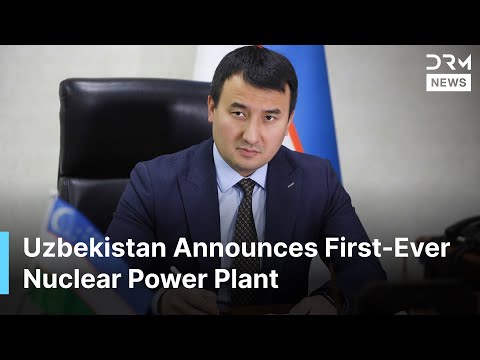
- Uzbekistan started from zero: no nuclear law, no regulator, no trained workforce. Uzatom, the agency now running the project, had to be created from scratch before serious planning could begin.
- The design changed at least twice — original plan was two VVER-1200 units (2017–2018); scrapped in 2024 for six RITM-200N SMRs; then revised again in September 2025 to two VVER-1000s plus two SMRs. Each redesign meant new site assessments, contracts, and approvals.
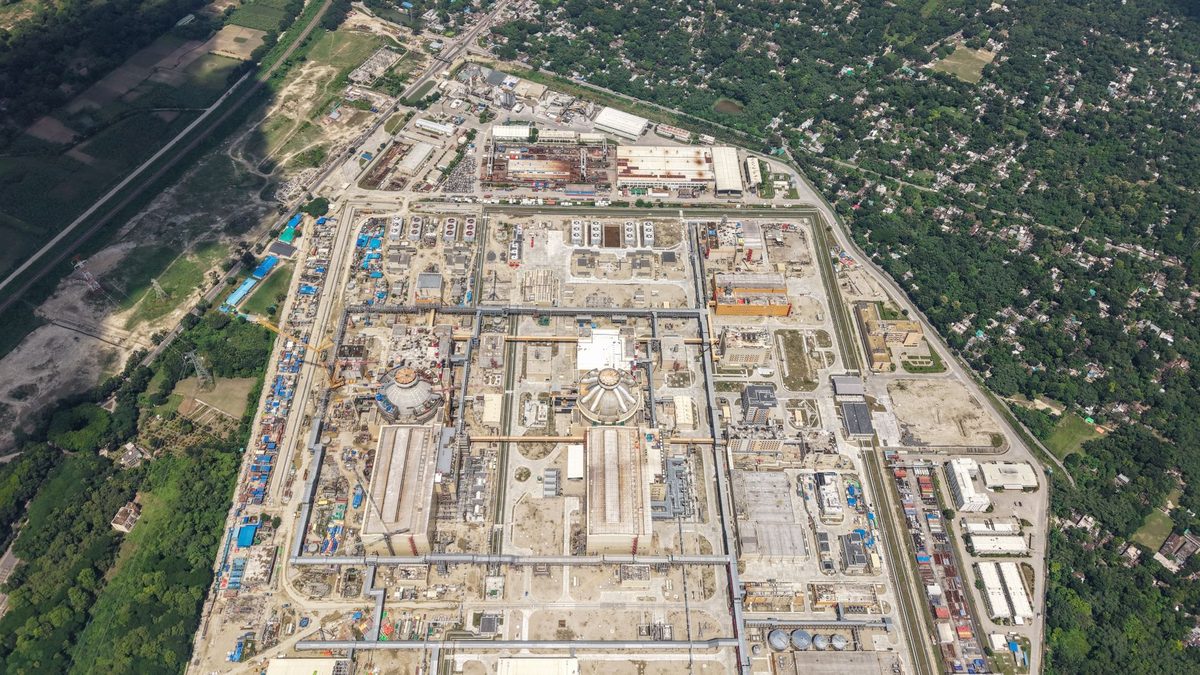
- Comparable Rosatom projects confirm this pace: Turkey's Akkuyu took 8 years from agreement to first concrete (2010–2018); Egypt's El Dabaa took 7 years (2015–2022). Bangladesh's Rooppur was faster (4 years) partly because Soviet engineers had surveyed the site in the 1960s.
- At 2,100+ MW, the plant is not small — two VVER-1000s alone equal the output of two large coal-fired stations. The SMRs add only 110 MW; the bulk of the capacity is in the large reactors.
Room for disagreement
- Uzbek officials have pushed back on 'delay' framing — Uzatom says the March 2026 first concrete for the SMR unit came ahead of the originally scheduled December 2026 milestone, so by their account the project is running early, not late.
AI-generated with web search — may be wrong. Check the linked sources.