

Syria and Russia agree to convert Tartus and Hmeimim bases to joint control
Force in PlayAfter 18 months of talks, Moscow's only Mediterranean naval base and its Syrian air hub shift toward shared management, with civilian sites returning to Damascus within three months.
Yesterday: Syria and Russia reach base dealNew here? Follow stories to track developments over time. Create a free account to get updates when stories you care about change.
Overview
Russia has kept warships at Syria's port of Tartus since 1971. On Sunday, Damascus said Moscow will hand back the port's commercial berth and a coastal airport, and turn both its Syrian bases into shared 'training and capacity-building centres.'
The bases at Tartus and Hmeimim are Russia's only military footholds outside the former Soviet Union, and Tartus is its lone warm-water naval base on the Mediterranean. The deal shrinks how far and how easily Russia can move forces into the Middle East, Africa, and the sea lanes off NATO's southern edge.
Why it matters
Tartus is Russia's only Mediterranean naval base. Losing sole control of it limits how Moscow supplies its ships and moves troops toward Africa and the Middle East.
Questions about this story
No questions yet — be the first to ask.
Key Indicators
Voices
Curated perspectives — historical figures and your fellow readers.
Play
Exploring all sides of a story is often best achieved with Play.
Higher or Lower
A number from this story, against one from elsewhere in the news — guess which is bigger, then keep the chain going. 5 rounds, 3 strikes; a miss costs a strike and resets your streak.
Keyboard: ↓/L lower · ↑/H higher
0 points — sign up to put that on the leaderboard.
Timeline
Order five events from this story, oldest at top. Each in the right slot scores 1 — neighbours within one slot count too. Your previous result — green ✓ for exact slots, yellow ~ for off by one. Cards now in true chronological order.
Sign up to save your score and track a streak across stories.
Connections
Sixteen names from the news. Find the four hidden groups of four. Four mistakes max.
Sign up to keep a daily streak — a new puzzle lands every day.
Exit debate?
Your progress in this debate will be lost.
- 1 Two AI personas square off on this story.
- 2 You predict who'll win each round — correct picks earn XP.
- 3 One crossfire question is yours to fire. Pick it carefully.
Couldn't generate a topic
Select Your Champions
Choose one persona for each side of the debate
DEBATE TOPIC
Choose personas with different perspectives for a more dynamic debate.
Select debater for this side:
No debate personas available right now.
Select debater for this side:
No debate personas available right now.
Who's Got This Round?
Make your prediction before the referee scores
The referee scores both sides on
Round Results
Set the Crossfire
Pick the question both personas must answer in the final round
Debate Oracle! You called every round!
Sharp Instincts! You know your debaters!
The Coin Flip Strategist! Perfectly balanced!
The Contrarian! Bold predictions!
Inverse Genius! Try betting the opposite next time!
XP Breakdown
Prediction History
People Involved
Organizations Involved
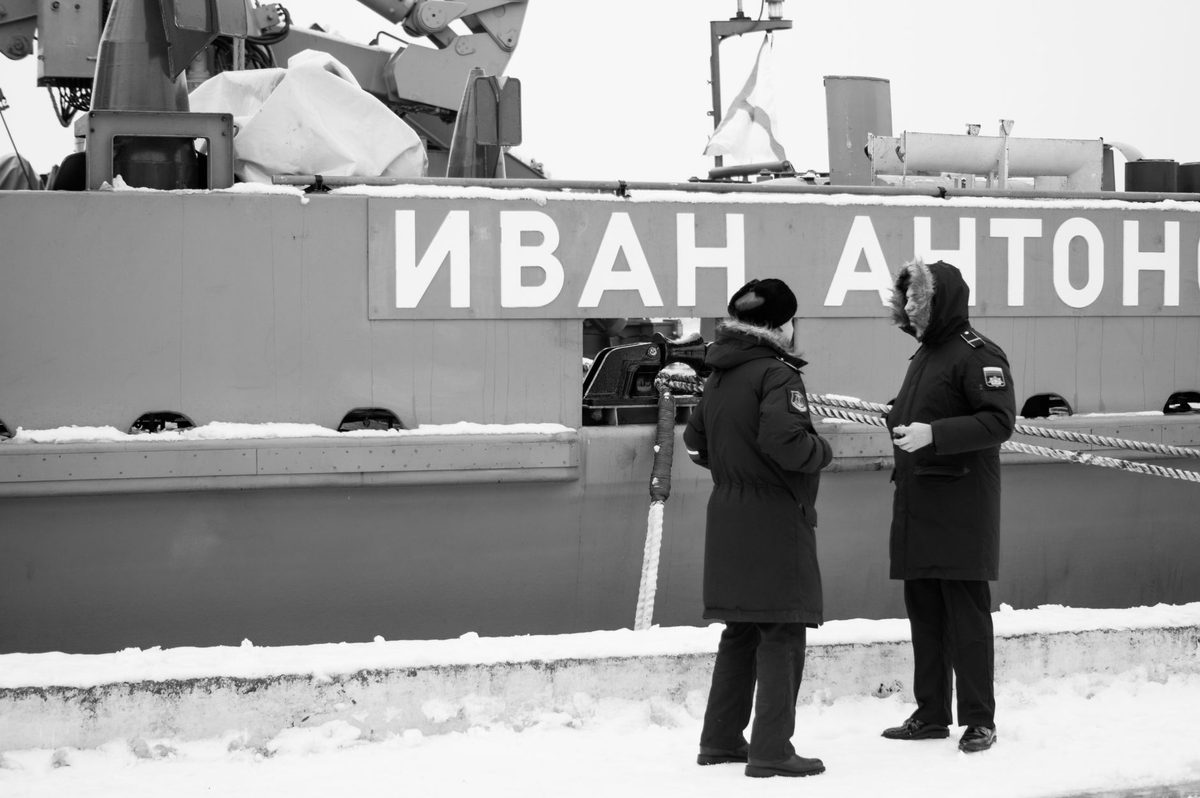
Russia's naval force, which has used Tartus as its only warm-water Mediterranean base and resupply point.
The Syrian government body that announced the base agreement with Russia.
Timeline
December 2024 August 2026
-
Syria and Russia reach base deal
Latest AgreementDamascus announces a memorandum turning both bases into joint training centers and returning civilian facilities to Syrian management within about three months.
-
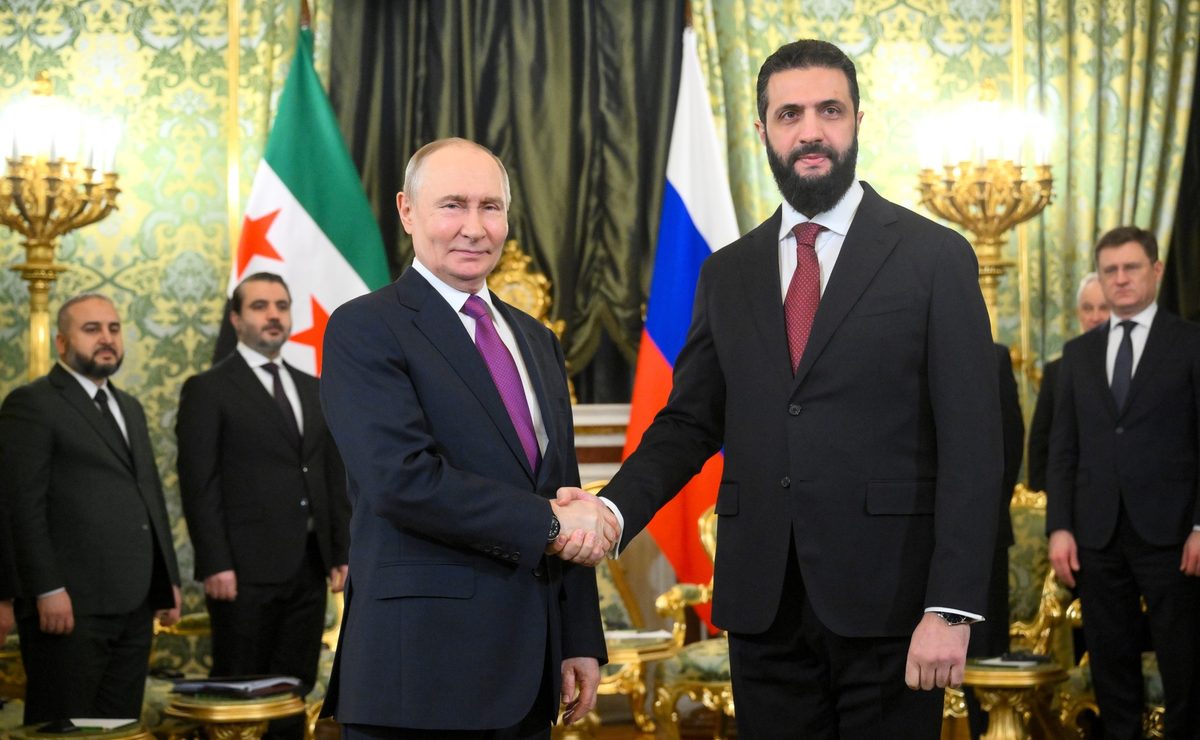
Al-Sharaa meets Putin at the Kremlin
DiplomacyThe two presidents meet as Moscow pushes to secure Tartus and Hmeimim. Neither addresses the bases publicly.
-
Al-Sharaa's first Moscow visit
DiplomacySyria's new leader travels to Moscow, demands Assad's extradition, and opens talks on Russia's military footprint.
-
Assad falls, flees to Russia
Regime ChangeRebels led by al-Sharaa capture Damascus. Bashar al-Assad flees and is granted asylum in Russia, throwing the bases' future into doubt.
-
Russia evacuates its fleet from Tartus
Military MovementSatellite imagery shows Russia pulling frigates, a submarine, and support ships out of Tartus as rebels advance on the coast.
Historical Context
3 moments from history that rhyme with this story — and how they unfolded.
US leaves Subic Bay and Clark (1991–1992)
The Philippine Senate rejected a new lease in 1991, ending nearly a century of US basing. After the Mount Pinatubo eruption damaged Clark Air Base, the US handed back Subic Bay Naval Base in 1992, its largest overseas naval facility at the time.
The US lost its main forward base in Southeast Asia and relocated forces to Guam and Japan.
US power in the region thinned for years, until Manila invited a limited American return decades later under a rotational access deal.
A host country forcing a great power off a prized base shows how quickly basing rights can vanish when the political ground shifts.
Russia gives up Cam Ranh Bay (2002)
Russia withdrew from Cam Ranh Bay in Vietnam, a sprawling Soviet-era naval and signals base, after Hanoi sought market-rate rent Moscow would not pay. It was Russia's largest foreign base outside the former USSR at the time.
Russia lost its main Pacific and Indian Ocean listening post and staging point.
Moscow spent years seeking replacement access and later negotiated only limited return visits, never regaining full control.
Like Tartus, Cam Ranh was a rare warm-water foothold. Its loss shows how hard such bases are to replace once given up.
US evicted from Uzbekistan's K2 base (2005)
After Washington criticized a deadly crackdown in Andijan, Uzbekistan ordered the US out of Karshi-Khanabad (K2) air base, a hub for the Afghanistan war. American forces left within months.
The US lost a logistics node for Afghanistan and leaned harder on a base in Kyrgyzstan.
The eviction showed how a host regime can use basing access as leverage over a stronger partner.
Damascus's leverage over Moscow, including its extradition demand for Assad, echoes how host states turn base access into bargaining power.
