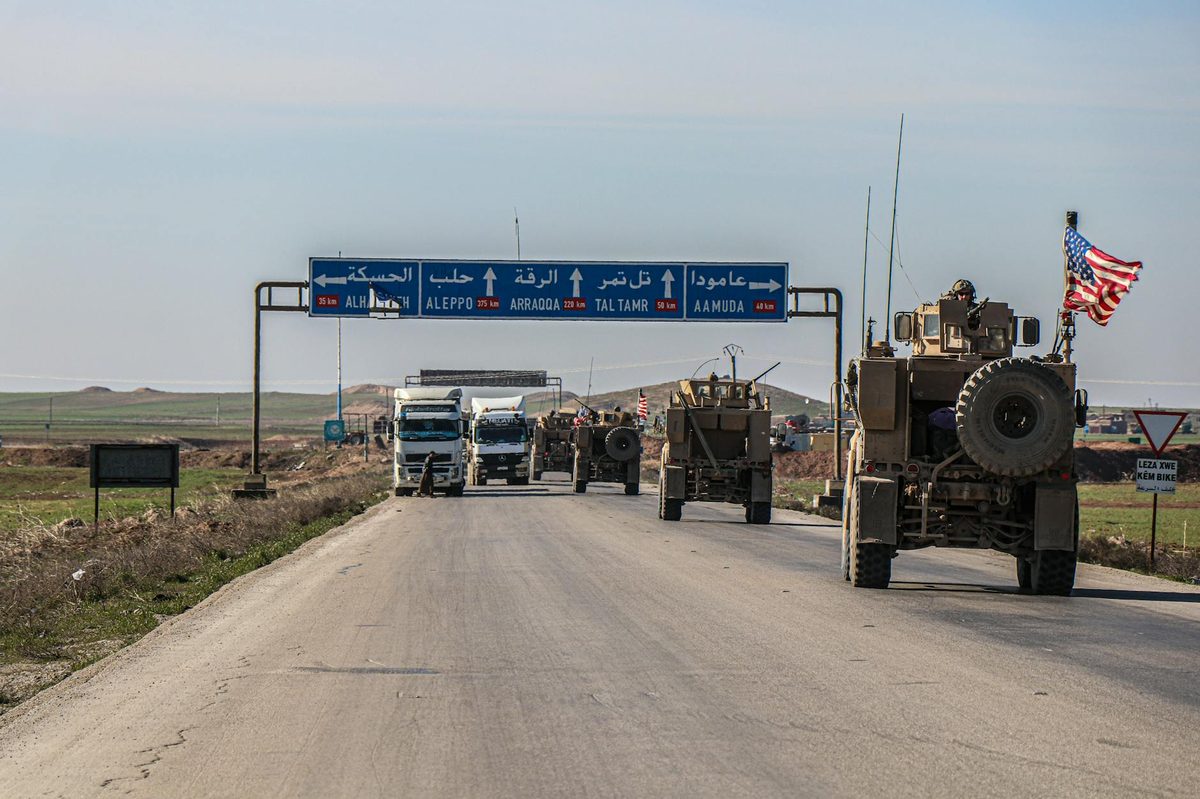
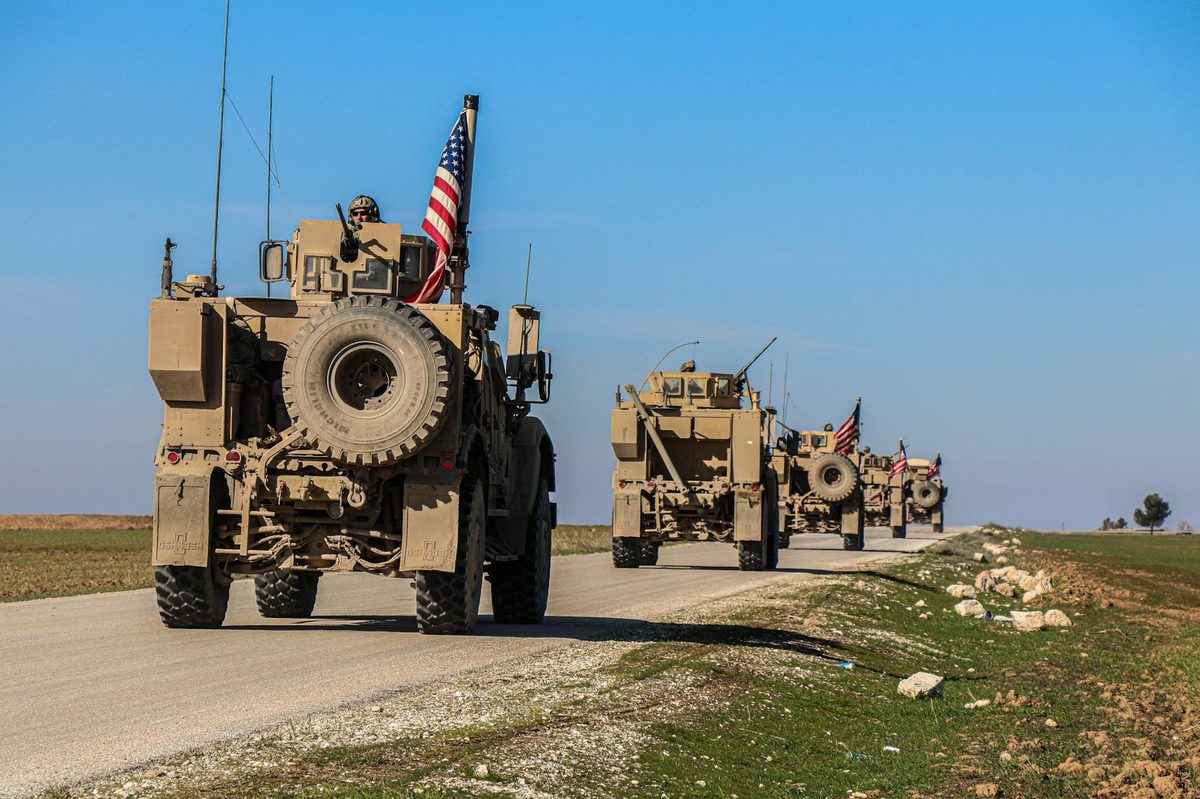
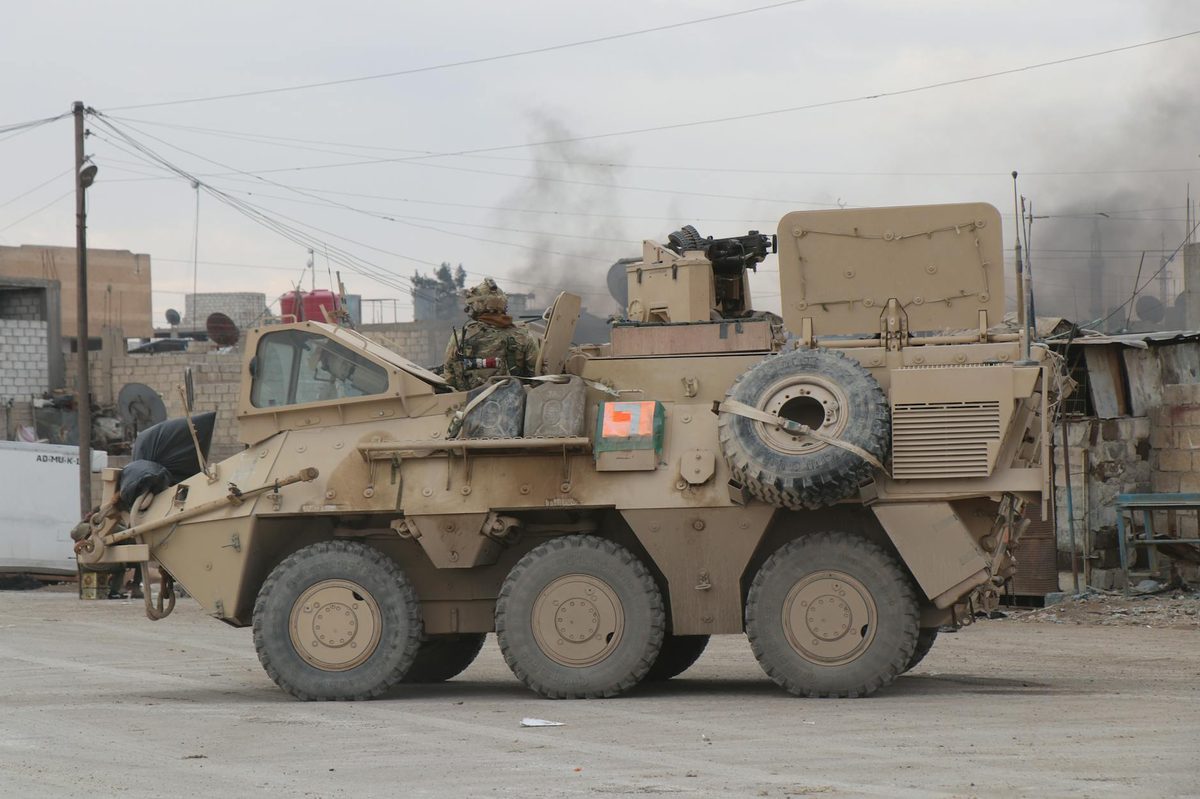
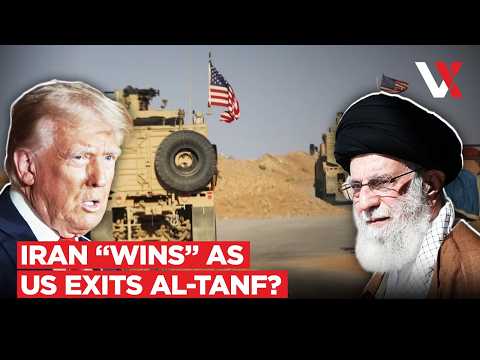
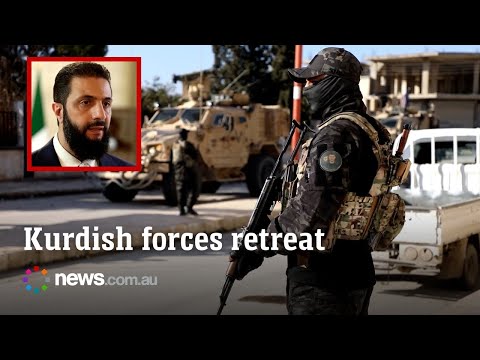
The United States began bombing ISIS targets in Syria in September 2014. Eleven years later, Washington announced it will withdraw all remaining troops within two months—ending a ground presence that once numbered over 2,000 soldiers. The withdrawal follows a series of changes: Assad's fall in December 2024, the rise of an HTS-led government, and an agreement integrating American Kurdish allies into Syria's national army.
The withdrawal ends the primary U.S. counterterrorism mission in the region. The Syrian government has agreed to take responsibility for combating ISIS within its borders, including control of detention facilities holding thousands of former fighters. Whether Damascus can contain a group that conducted 660 attacks in 2024 alone—triple the rate of the previous year—remains the central question.
Questions about this story
Free account needed to ask — your question is kept and asked for you right after sign-up. Answers are public.
No questions yet — be the first to ask.
Key Indicators
~1,000
Remaining troops to withdraw
Down from approximately 2,000 in December 2024
11 years
Duration of US ground presence
Since Operation Inherent Resolve began in September 2014
The Syrian government proves capable of managing ISIS detention facilities and conducts effective counterterrorism operations with coalition support. The SDF integration proceeds smoothly, Turkey's concerns are satisfied, and international sanctions relief flows to Damascus. This scenario assumes ISIS's operational tempo decline in 2025 (from 60 attacks monthly to 10) reflects durable weakening rather than temporary adaptation.
2
ISIS Exploits Security Vacuum, Launches Major Offensive
Possible
Discussed by: International Centre for Counter-Terrorism, Breaking Defense, Washington Institute
With US forces departed and Syrian security structures still consolidating, ISIS cells exploit the transition to rebuild. The group conducted 660 attacks in 2024—triple the previous year—and retains 1,500-3,000 active fighters. Detention facility security failures or a mass prison break could enable rapid reconstitution. The December 2025 Palmyra attack that killed two Americans demonstrated continuing capability.
3
Kurdish Integration Fails, Turkey Intervenes
Possible
Discussed by: Middle East Eye, Manara Magazine, Atlantic Council
The SDF-Damascus integration stalls over autonomy demands or fails to satisfy Ankara's security concerns. Turkey, which backed the Syrian National Army offensive that captured territory alongside government forces in early 2026, launches direct military operations against remaining Kurdish positions. Without US troops as a buffer, northeastern Syria becomes a Turkish-Syrian condominium with diminished Kurdish political rights.
4
Russia and Iran Regain Influence in Post-Assad Syria
Unlikely
Discussed by: New Lines Institute, Stimson Center, Eurasia Review
Despite losing Assad, Moscow and Tehran find accommodation with the HTS-led government, similar to their pragmatic engagement with the Taliban after the US Afghanistan withdrawal. Russia retains naval access at Tartus; Iran rebuilds logistics corridors through compliant local actors. US withdrawal removes the counterweight, allowing gradual restoration of axis influence in the Levant.
Historical Context
3 moments from history that rhyme with this story — and how they unfolded.
1 of 3
December 2011
US Withdrawal from Iraq (2011)
The last US combat troops departed Iraq in December 2011 under a status-of-forces agreement signed by President Bush in 2008. Approximately 45,000 troops withdrew, leaving security responsibility to Iraqi forces. The Obama administration had sought to maintain a residual force of 5,000 advisors, but negotiations collapsed over legal immunity for US soldiers.
Then
Iraqi security forces, weakened by political purges and sectarian divisions, proved unable to hold territory. Prime Minister Maliki's marginalization of Sunni politicians fueled grievances.
Now
ISIS exploited the vacuum, capturing Mosul in June 2014 with little resistance. The subsequent war cost Iraq 60,000 lives and $100 billion. US forces returned to Iraq and Syria under Operation Inherent Resolve.
Why this matters now
The 2011 withdrawal offers the clearest precedent for potential consequences. Syria faces similar challenges: an inexperienced government, sectarian tensions, thousands of detained fighters, and a degraded but not destroyed ISIS.
2 of 3
February 1984
US Withdrawal from Lebanon (1984)
US Marines deployed to Beirut in 1982 as part of a multinational peacekeeping force during Lebanon's civil war. After a truck bomb killed 241 American service members in October 1983—the deadliest single-day death toll for Marines since Iwo Jima—and the Lebanese national army collapsed in February 1984, President Reagan ordered withdrawal. The last Marines left on February 26, 1984.
Then
The civil war intensified after the multinational force departed. Syria and Iran's proxies expanded influence in Lebanon.
Now
Hezbollah emerged as the dominant force in Lebanese politics and became Iran's primary regional proxy. Syria occupied Lebanon until 2005.
Why this matters now
The Lebanon withdrawal shows how departure can accelerate the rise of hostile non-state actors backed by regional powers—a dynamic potentially relevant if ISIS reconstitutes or Iranian influence returns.
3 of 3
August 2021
US Withdrawal from Afghanistan (2021)
US forces completed withdrawal on August 30, 2021, after 20 years and the deaths of 2,461 American service members. The Taliban captured Kabul on August 15 as Afghan government forces collapsed faster than intelligence assessments predicted. The withdrawal included chaotic evacuations and a suicide bombing at Kabul airport that killed 13 US troops and 170 Afghans.
Then
The Taliban government immediately imposed restrictions on women's education and employment. International sanctions isolated Afghanistan economically.
Now
Despite fears, Afghanistan has not become a major base for international terrorism. Russia and Iran have established pragmatic relations with the Taliban government.
Why this matters now
The Afghanistan precedent shows both risks (rapid collapse of partner forces, humanitarian consequences) and potential reassurance (terrorist groups may remain contained without US presence). Syria's situation differs: the government taking over is not the enemy but a former al-Qaeda affiliate now seeking Western legitimacy.