Pull to refresh
Logo
Daily Brief
Following
Why Ranks Sign Up
Russia removes major computer brands from parallel imports list

Russia removes major computer brands from parallel imports list

Rule Changes

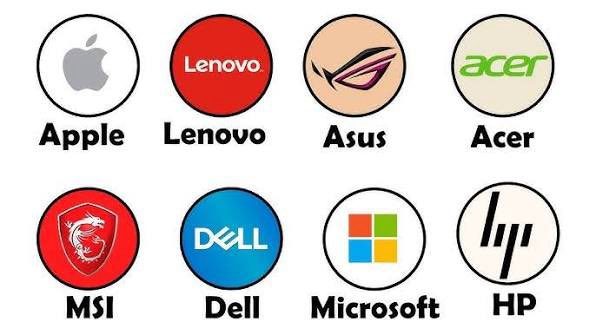
Acer, Asus, HP, Intel and others now require trademark-holder consent to enter the country

Today: Brand restrictions take effect

Overview

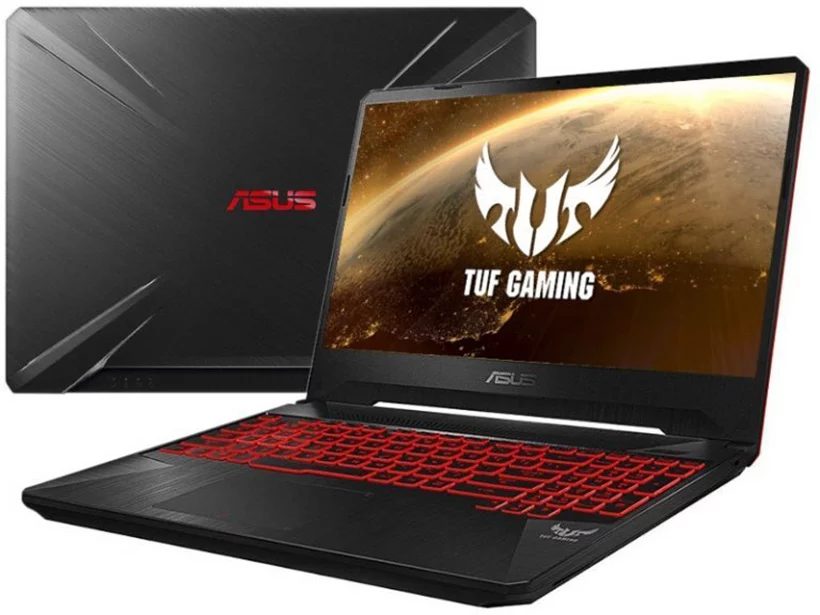
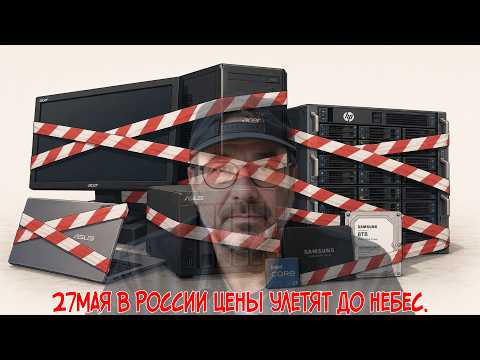
For four years, Russian buyers could pick up a banned Asus laptop or an HP server through a workaround called parallel imports. That ended on May 27, when an order from Russia's Ministry of Industry and Trade pulled roughly twenty Western and Asian computer brands off the approved list.

Importers now need consent from the trademark holder to bring those machines in—consent the brands stopped giving in 2022. Russian officials say domestic manufacturers can fill the gap. Industry buyers and analysts say the practical effect is fewer choices, higher prices, and a faster pivot to Chinese hardware.

Why it matters

Russia is closing the workaround that kept Western laptops and servers flowing despite sanctions, pushing buyers toward Chinese hardware at likely higher prices.

Key Indicators

20+
Brands removed
Computer and storage brands including Intel, HP, Asus, Samsung, Kingston and Cisco lost parallel-import status.
90%
Chinese share of sanctioned tech
Bloomberg reported in May that China now supplies 90% of Russia's sanctioned technology imports.
$20B
Parallel imports, 2022
Value of goods that entered Russia via parallel imports between May and December 2022, per Russian customs.
2.5M
Aquarius annual capacity
Russia's biggest domestic PC maker plans output of 2.5 million devices a year by 2025.
187B rubles
Spent on IT import substitution
Russian outlets reported 187 billion rubles spent on IT substitution projects from 2022-2025, against 1.6 billion rubles in product sales.

Voices

Curated perspectives — historical figures and your fellow readers.

Ever wondered what historical figures would say about today's headlines?

Sign up to generate historical perspectives on this story.

Play

Exploring all sides of a story is often best achieved with Play.

Log in to play. Track your picks, climb the leaderboards. Log in Sign Up
Predict 4 ways this could play out. Contrarian picks score more — points lock when the scenario resolves. Log in to play
Higher or Lower Two numbers from this story. Guess which is bigger. 5 rounds to set a streak. Log in to play
Timeline Five events from this story — drag them oldest to newest. Log in to play
Connections Sixteen names from the news. Find the four hidden groups of four. Log in to play

People Involved

Organizations Involved

Timeline

March 2022 May 2026

9 events Latest: Today
Tap a bar to jump to that date
  1. Brand restrictions take effect

    Today Policy

    Customs began detaining shipments of the listed brands that arrive without trademark-holder consent. Roughly twenty brands are affected.

  2. Import substitution gap reported

    Market Data

    Russian outlets reported 187 billion rubles spent on IT substitution projects since 2022 against 1.6 billion rubles in product revenue.

  3. China supplies 90% of sanctioned tech

    Market Data

    Bloomberg reported that China now accounts for roughly 90% of Russia's sanctioned-technology imports.

  4. Simplified electronics imports extended

    Policy

    Government extended simplified import procedures for electronic devices through the end of 2026, even as the brand list tightened.

  5. Order published

    Policy

    Order No. 4769 published, starting the six-month countdown to enforcement.

  6. Order No. 4769 signed

    Policy

    Minister Alikhanov signed the order removing major PC, server and storage brands from the parallel imports list, with a six-month grace period.

  7. $20 billion flows through parallel imports

    Trade Data

    Russia's Federal Customs Service estimated parallel imports exceeded $20 billion by year-end, totaling 2.4 million tonnes.

  8. First parallel imports list published

    Policy

    Minpromtorg listed brands and product categories eligible for import without permission, including Apple, Samsung, Microsoft and major car makers.

  9. Russia legalizes parallel imports

    Policy

    Resolution No. 506 authorized the trade ministry to set a list of goods Russia could import without trademark-holder consent.

Historical Context

3 moments from history that rhyme with this story — and how they unfolded.

1949-1994

CoCom embargo on Soviet computing (1949-1994)

Seventeen Western countries ran the Coordinating Committee for Multilateral Export Controls, blocking sales of advanced computers, semiconductors and machine tools to the Soviet Union. Moscow built domestic clones of IBM mainframes and DEC minicomputers, often by reverse-engineering smuggled units.

Then

Soviet computing trailed the West by roughly a decade through the 1970s and 1980s. Smuggling networks ran through Austria, Switzerland and West Germany.

Now

By 1989 the Soviet electronics industry was structurally behind and could not pivot when CoCom dissolved. Post-Soviet Russia rebuilt on Western imports rather than domestic chips.

Why this matters now

Russia's current playbook—official restrictions plus tolerated gray-market routes plus a domestic-industry build—maps closely onto the late-Soviet response to CoCom.

2012-present

Iran's tech-sanctions adaptation (2012-present)

After expanded US and EU sanctions in 2012, Iran lost direct access to most Western consumer electronics. Importers routed Apple, HP, and Lenovo goods through Dubai and Turkey. Domestic assemblers stamped Iranian brands onto Chinese hardware.

Then

Prices rose 30-50% on imported electronics in Tehran in 2012-2013. Counterfeit Apple stores opened openly.

Now

Chinese brands took most of the Iranian market by the late 2010s. Domestic electronics remained a small share despite government incentives.

Why this matters now

Iran's experience suggests Russia's restrictions will redirect demand to Chinese brands far more than to domestic ones, even with state subsidies for local makers.

1986-1994

Apartheid South Africa's gray-market computing (1986-1994)

After the US Comprehensive Anti-Apartheid Act of 1986 cut direct IBM and Apple sales to South Africa, importers routed equipment through European and Asian subsidiaries. Local assembler Mustek built Wintel clones to fill corporate orders.

Then

South African corporate buyers paid premiums of 20-40% on workstations and minicomputers but kept Western brand inventory.

Now

When sanctions lifted in 1994, the country reintegrated quickly with Western IT supply chains. Mustek survived as a distributor rather than a manufacturer.

Why this matters now

Shows that parallel-import channels can sustain a sanctioned country's hardware base for years, but local manufacturing rarely scales past a niche even with policy support.

Sources

(10)