
Pull to refresh
Logo
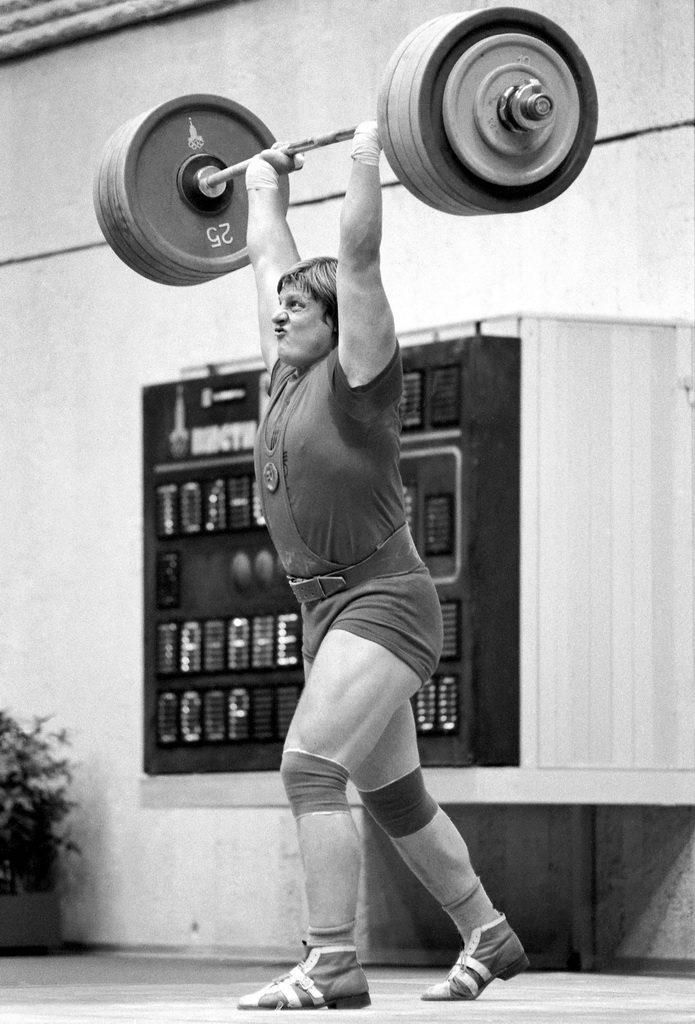
Moscow to host 2030 weightlifting worlds, first Olympic sport to return to Russia since 2022

Moscow to host 2030 weightlifting worlds, first Olympic sport to return to Russia since 2022

Rule Changes

IWF becomes the first Olympic federation to award Russia a world event since the invasion

Yesterday: IWF awards Moscow the 2030 worlds

Overview

Updated 1 hour ago

The International Weightlifting Federation (IWF) awarded Moscow the 2030 world championships on Sunday. It is the first global event in an Olympic sport given to Russia since the full-scale invasion of Ukraine began in 2022.

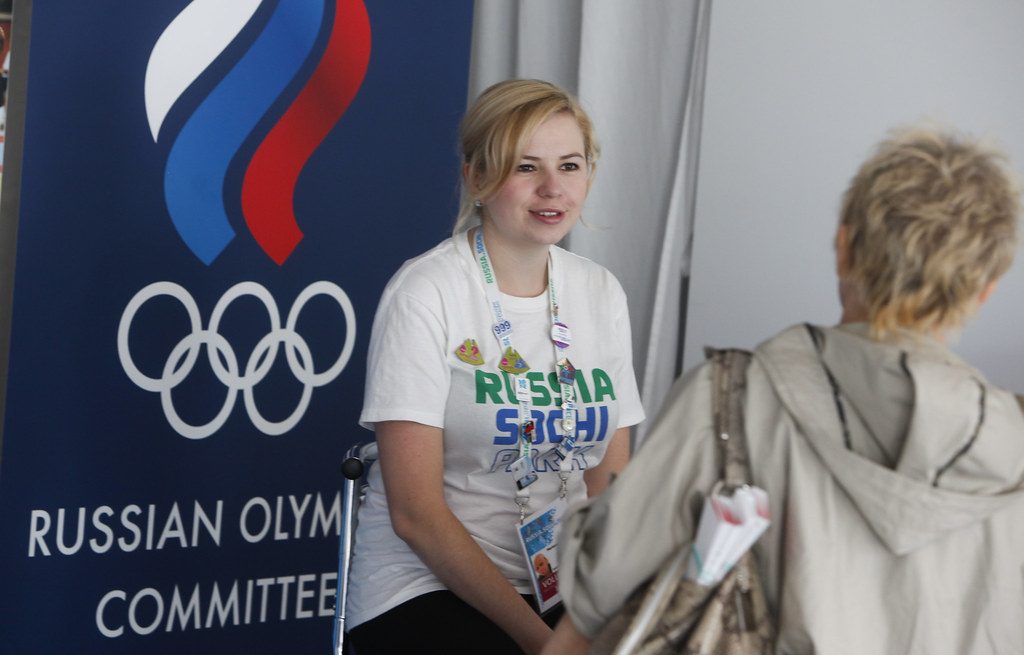
The IWF made Russian and Belarusian lifters eligible again in June, and the International Olympic Committee (IOC) provisionally lifted its suspension of the Russian Olympic Committee in July. The Moscow event doubles as the first qualifying tournament for the 2032 Brisbane Olympics.

Why it matters

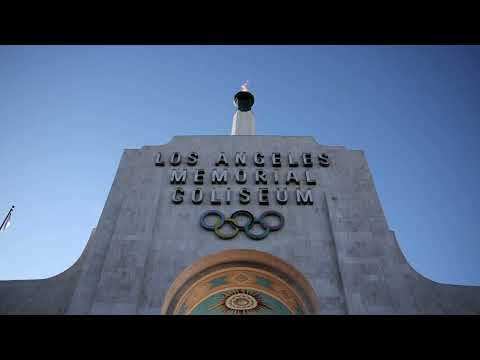
If other federations follow weightlifting, Russian athletes and hosting bids return to Olympic sport before the 2028 Los Angeles Games.

Questions about this story

Free account needed to ask — your question is kept and asked for you right after sign-up. Answers are public.

No questions yet — be the first to ask.

Key Indicators

1
Olympic federations to award Russia a world event since 2022
The IWF is the first to cross that line.
0
World championships in Olympic sports held in Russia since the invasion
Moscow 2030 would end that streak.
5
Ukrainian lifters entered for the 2026 Ningbo worlds
They compete as the war continues.

Voices

Curated perspectives — historical figures and your fellow readers.

Ever wondered what historical figures would say about today's headlines?

Sign up to generate historical perspectives on this story.

People Involved

Organizations Involved

Timeline

2022 October 2026

6 events Latest: Yesterday
Tap a bar to jump to that date
  1. 2026 worlds open in Ningbo with Russians entered

    Upcoming Event

    The world championships begin in Ningbo, China, with Russian lifters competing under their flag for the first time since the ban.

  2. IWF awards Moscow the 2030 worlds

    Latest Decision

    Moscow wins hosting rights to the 2030 World Weightlifting Championships, the first Olympic federation event in Russia since 2022.

  3. IOC lifts Russia's suspension

    Policy

    The IOC provisionally lifts the Russian Olympic Committee suspension, opening qualification for the 2028 Los Angeles Games.

  4. IWF lifts restrictions on Russian lifters

    Policy

    The IWF lets Russian and Belarusian weightlifters compete with national symbols.

  5. Russia invades Ukraine

    Conflict

    Russia launches its full-scale invasion, triggering widespread international sports sanctions.

  6. IOC suspends Russian Olympic Committee

    Sanction

    The IOC suspends Russia's Olympic body; most federations bar Russian athletes from competition.

Scenarios

1

Moscow hosts a full 2030 world championships

Possible Resolves by End of 2030

Discussed by: Russian officials and IWF leadership

If the war ends or de-escalates by 2030, or opposition stays limited, Moscow hosts the championships as scheduled. Russian officials expect a high-profile event because it is the first qualifying tournament for Brisbane 2032. The Latvian boycott call would remain a minority position.

2

Boycotts hollow out the Moscow event

Possible Resolves by End of 2030

Discussed by: Latvian and Swedish weightlifting federations

Latvia has proposed a boycott, and Sweden's federation already refused to host European championships because Russian lifters would attend. If several top nations follow suit, Moscow runs a thin event that loses credibility and pressures the IWF, and possibly other federations, to hold back on Russia.

3

IWF pulls the championships from Moscow

Unlikely Resolves by End of 2030

Discussed by: Ukrainian officials and Western critics

If the war continues or escalates sharply, and political or sponsor pressure builds, the IWF could relocate. Ukraine has already appealed the IOC's lifting of Russia's suspension to the Court of Arbitration for Sport; an adverse ruling could change the legal climate for all federations.

Historical Context

3 moments from history that rhyme with this story — and how they unfolded.

July-August 1980

1980 Moscow Olympics boycott

Washington led a boycott of the 1980 Summer Olympics in Moscow to protest the Soviet invasion of Afghanistan that began in December 1979. About 60 nations stayed away or sent reduced teams, thinning many events.

Then

Moscow staged a diminished games; the boycott did not force a Soviet withdrawal but lowered the Olympics' prestige.

Now

It locked in the use of Olympic boycotts as political protest and shaped how nations treat hosting rights as leverage.

Why this matters now

The current award reverses the direction of the 1980 dynamic: rather than boycotting Moscow over a war, an Olympic federation is handing Russia a hosting event amid an ongoing invasion.

February 2014

2014 Sochi Winter Olympics

Russia hosted the Sochi Winter Olympics while Euromaidan protests in Ukraine toppled its pro-Russian government. Weeks after the closing ceremony, Russia annexed Crimea. Western leaders attended the games throughout.

Then

The games ran with full attendance despite the crisis unfolding next door.

Now

Sochi demonstrated that Russia can host global events under Western geopolitical pressure, at least before a full-scale war.

Why this matters now

It is Russia's last major Olympic hosting before the 2022 invasion; the weightlifting award tests whether that can happen under far heavier sanctions.

1960s-1992

Apartheid South Africa sports isolation

South Africa was progressively excluded from Olympic and international sport because of apartheid. The International Olympic Committee expelled it in 1970, and most federations barred its athletes and teams.

Then

South Africa spent two decades outside global competition.

Now

Its readmission in the early 1990s, after political change, became the reference case for how federations end sports bans.

Why this matters now

It is the most complete example of a federation-driven sports ban, and the baseline against which Russia's shorter, contested isolation is being reversed.

Sources

(10)