On June 29, Putin publicly acknowledged that Ukrainian drone strikes are causing fuel shortages across Russia—the first time the Kremlin has detailed the campaign's domestic toll. Russia responded two days later with a barrage of 74 missiles and 496 drones that killed at least 21 people in Kyiv, Moscow citing the oil infrastructure attacks as justification.
Ukraine struck Russia's fourth-largest refinery at Kstovo on July 2, the same day Russia bombed Kyiv. Crimea declared a state of emergency on June 26, halting civilian gasoline sales entirely. Russia is now importing petrol from India and negotiating emergency supply from Kazakhstan, with parliament approving subsidies to fund the imports.
Why it matters
Putin's June 29 admission confirms what Russians have seen for weeks: Ukraine's drone campaign is degrading daily life inside Russia itself.
Questions about this story
Free account needed to ask — your question is kept and asked for you right after sign-up. Answers are public.
No questions yet — be the first to ask.
Key Indicators
4.69M bpd
Russian Refinery Runs (April)
Russia's crude processing rate in April 2026, the lowest since December 2009. Strikes on the Slavyansk and Yaroslavl refineries (June 28) and LUKOIL's Kstovo plant—Russia's fourth-largest, with 17 million tonne annual capacity—on July 2 will push that figure lower when May and June data are released.
32%
Russian Western Port Export Drop (June)
Russia's exports from its western ports—Primorsk, Ust-Luga, and Novorossiysk—fell to roughly 1.7 million barrels per day in June from 2.5 million bpd in May. Russia is diverting crude to domestic refineries to address fuel shortages instead of exporting.
June–July 2026
Ongoing Strike Wave
Ukraine hit the Slavyansk refinery in Krasnodar (June 28), the Yaroslavl refinery 700 kilometers from the border (June 28), and LUKOIL's Kstovo plant in Nizhny Novgorod—Russia's fourth-largest refinery—on July 2, starting fires and damaging primary crude units at each site. The June 18 attack involving 555 drones on Moscow remains the largest single-night strike of the war.
$2.2B
Russian Revenue Lost (Late March/April)
Estimated losses from Ukraine's late March and early April strikes on Russian oil export terminals, before the June–July campaign added Moscow's main refinery, Tatarstan plants, Slavyansk, Yaroslavl, and Kstovo to the target list.
61%
Ukrainian Generation Lost
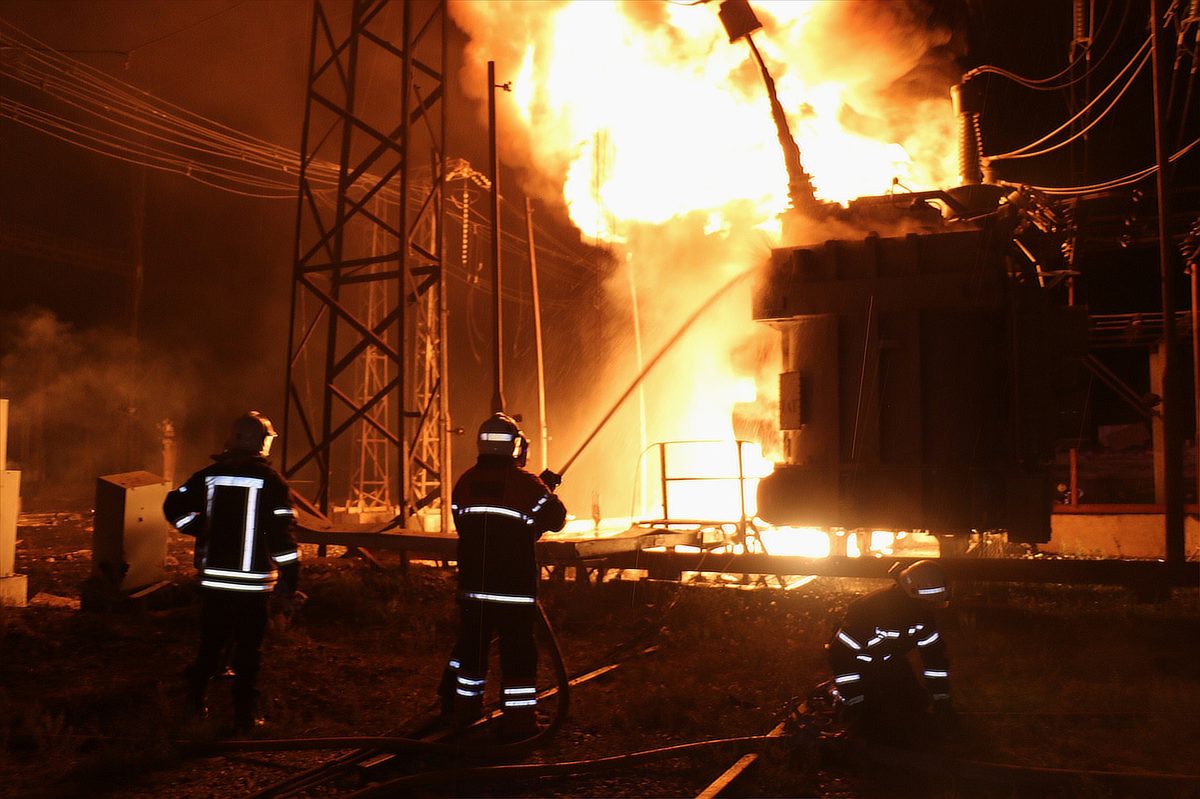
Ukraine's electricity generation capacity is down 61% from prewar levels after four winters of Russian attacks. Russia's July 2 bombardment—74 missiles and 496 drones killing at least 21 people in Kyiv—targeted energy infrastructure alongside residential districts.
4
Ceasefires Collapsed
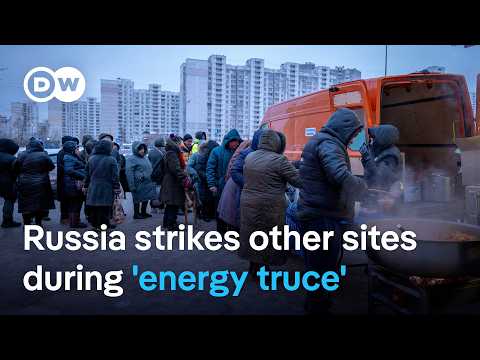
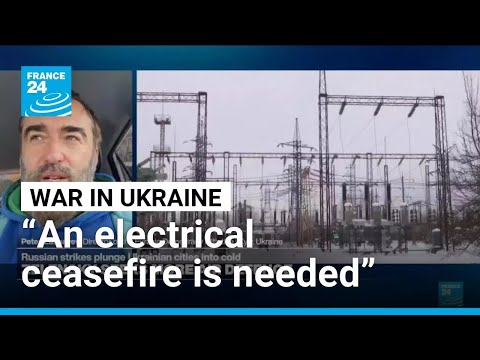
The March 2025 energy pause, February 2026 weeklong truce, April Easter ceasefire, and May Victory Day ceasefire each broke down within hours or days. No new ceasefire initiative is active.
27+ of 33
Russian Refineries Hit
Ukraine's drone campaign has struck at least 27 of Russia's 33 major refineries. The June 28 strikes on the Slavyansk (Krasnodar) and Yaroslavl refineries, and the July 2 strike on LUKOIL's Kstovo plant (17 million tonne annual capacity), extend the campaign to facilities not previously damaged in this wave.
State of Emergency
Crimea Fuel Status
Russian-occupied Crimea declared a state of emergency on June 26 after Ukrainian strikes disrupted the peninsula's power grid and fuel supply routes. Civilian gasoline sales were suspended; fuel is reserved for state and military use only. Train routes between Russia and Crimea were cut by half.
55+ of 83
Russian Regions With Fuel Rationing
At least 55 of Russia's 83 federal regions are enforcing fuel purchase limits or private-sector restrictions. Crimea escalated to a full state of emergency on June 26. Russia is importing petrol from India (at least 60,000 tonnes dispatched) and negotiating 50,000 tonnes from Kazakhstan. Putin acknowledged the shortage publicly on June 29.
Images from Openverse under Creative Commons licenses.
Videos from YouTube.
Voices
Curated perspectives — historical figures and your fellow readers.
Ayn Rand
(1905-1982) ·Cold War · philosophy
Fictional AI pastiche — not real quote.
"A government that wages war by plunging civilians into frozen darkness has abandoned even the pretense of moral authority—it seeks not victory, but the systematic destruction of human life itself. Yet observe: the aggressor nation's own citizens now suffer blackouts from retaliatory strikes, a fitting demonstration that those who unleash force against the innocent will find that force is a weapon with two edges, and neither edge cuts in favor of civilization."
0% found this insightful
Ever wondered what historical figures would say about today's headlines?
Sign up to generate historical perspectives on this story.
48 events
Latest: July 2nd, 2026 · 3 months ago
Showing 8 of 48
JK to step
Tap a bar to jump to that date
Jump to
July 2026
Ukraine Strikes LUKOIL Kstovo Refinery—Russia's Fourth-Largest; Russia Kills 21 in Kyiv Retaliation
LatestMilitary
Ukrainian drones hit LUKOIL's Nizhegorodnefteorgsintez refinery in Kstovo, Nizhny Novgorod—Russia's fourth-largest refinery and second-biggest gasoline producer, with 17 million tonne annual capacity—starting fires and damaging the AVT-6 primary crude unit. Hours later, Russia launched 74 missiles and 496 drones at Kyiv, killing at least 21 people and injuring nearly 90. Moscow said the strikes were retaliation for Ukrainian attacks on Russian oil infrastructure.
June 2026
Putin Publicly Admits Ukrainian Strikes Are Causing Fuel Shortages
Policy
At a Kremlin meeting with ministers, Putin acknowledged 'a certain shortage' of fuel and queues at petrol stations, directly attributing them to Ukrainian drone strikes. This was the first time he had publicly detailed the campaign's domestic toll. He confirmed gasoline reserves had fallen 4% to 1.7 million metric tons and said a full diesel export ban was under review.
Ukraine Hits Slavyansk and Yaroslavl Refineries in Overnight Strikes; One Killed
Military
Ukrainian drones hit the Slavyansk ECO refinery in Krasnodar Krai and the Yaroslavl refinery in overnight strikes, starting fires at both facilities. Slavyansk is roughly 300 kilometers from the front line; Yaroslavl is 700 kilometers from Ukraine's border. One person was killed in Krasnodar Krai.
Crimea Declares State of Emergency; Civilian Gasoline Sales Suspended
Infrastructure
Russian-occupied Crimea declared a state of emergency after Ukrainian strikes disrupted the peninsula's power grid and fuel supply routes. Civilian gasoline sales were suspended; fuel is reserved for state and military use only. Authorities cut train services between Russia and Crimea by half.
Moscow Refinery Confirmed Offline Until 2027; Fuel Rationing in 55 Russian Regions
Infrastructure
Reuters reported the Kapotnya refinery is unlikely to resume production until 2027, while at least 55 of Russia's 83 federal regions are now enforcing fuel purchase restrictions. The Russian government is weighing a total diesel export ban and is considering importing fuel from India to fill the gap.
Ukraine launched 555 drones at more than a dozen Russian regions—the war's largest single-night attack on Moscow—hitting the Kapotnya refinery a second time and disabling the backup distillation unit Russia had staged for repairs. Aeroflot and subsidiary Rossiya canceled 170+ flights and delayed over 110 others; Zelenskyy said it was 'time to end this war.'
Sanctioned Shadow Fleet Tanker FINA A Struck in Black Sea
Military
Ukraine struck the FINA A tanker—a 244.6-meter vessel under EU, UK, Swiss, and Canadian sanctions—in the Black Sea overnight. It is one of the largest shadow fleet tankers targeted in the campaign to date.
Drone Strike Disables Kapotnya Refinery's Primary Distillation Unit
Military
Ukrainian drones struck the Gazprom Neft-owned Kapotnya refinery in Moscow, disabling its primary crude distillation unit. Fuel shortages were already spreading to Moscow and St. Petersburg as the broader refinery campaign compressed domestic supply.
Ukraine Marks Russia Day With Tatarstan Refinery Strikes; Four Hospitalized
Military
On Russia's national holiday, Ukrainian drones struck the Taneco and Taif-NK refineries in Nizhnekamsk, Tatarstan, and the Togliattikauchuk chemical plant in Samara region, with fires confirmed at all three. Four people were hospitalized in Nizhnekamsk; the city canceled all Russia Day public events.
Shadow Fleet Tanker West Horizon Struck in Black Sea
Military
Ukraine struck the shadow fleet tanker West Horizon in the Black Sea, damaging its propulsion and steering system and impairing maneuverability. The strike extended Ukraine's tanker campaign deeper into Russian-used Black Sea shipping routes.
Kuibyshev Refinery (Rosneft, Samara) Halted After Drone Strike
Military
Ukrainian drones struck the Kuibyshev oil refinery in Russia's Samara region overnight, hitting both primary crude distillation units (CDU-4 and CDU-5) and forcing a production halt. The plant is part of Rosneft's Samara refining hub, which also includes the already-struck Syzran and Novokuibyshevsk facilities.
UK, France, Germany and Zelenskyy Back Direct Talks; Kremlin Rejects Within Days
Diplomatic
Leaders of the UK, France, and Germany issued a joint statement with Zelenskyy backing direct Russia-Ukraine dialogue, insisting any ceasefire be coordinated with Europe and the U.S. The Kremlin responded that the conditions were 'completely unacceptable' and that talking peace while arming Ukraine was a contradiction.
Moscow and Northern Russia Gas Stations Begin Fuel Rationing
Infrastructure
Lukoil and Gazprom stations in Moscow capped gasoline and diesel purchases at 100–150 liters per driver. Northern Russian regions introduced similar limits as domestic refinery damage pushed fuel prices higher.
Zelenskyy Pushes Pre-Winter Peace Deal as June Deadline Passes
Diplomatic
Zelenskyy said Ukraine would push for a peace deal before winter, as the deep-strike campaign on Russian oil facilities improved Ukraine's negotiating position. The June deadline Washington had set for a ceasefire framework passed without talks resuming.
Russia Enacts First-Ever Jet Fuel Export Ban
Policy
Russia officially banned jet fuel exports until November 30, 2026—the first such ban in the country's history. The move followed months of Ukrainian drone strikes that took roughly a quarter of domestic refining capacity offline.
May 2026
Lazarevo Pipeline Station Hit 1,200 km Inside Russia
Military
Ukrainian drones struck the Lazarevo pumping station in Russia's Kirov region, more than 1,200 km from Ukrainian-controlled territory. The station pumps oil from Siberia toward Belarus. Ukraine's General Staff confirmed it was hit in the same overnight operation as the Saratov refinery.
Volgograd (Lukoil) Refinery Halts Production After Drone Strike
Military
Ukrainian drones struck the Lukoil-operated Volgograd refinery, damaging four primary distillation units and forcing a complete production halt. The plant, with annual capacity of 15 million tonnes, supplies gasoline, diesel, and aviation fuel to Russia's Black Sea Fleet.
Ukraine Strikes Yaroslavl-3 Transneft Pumping Station on Baltic Pipeline
Military
Ukrainian drones hit the Yaroslavl-3 pumping station on the Surgut–Polotsk pipeline, which carries Siberian crude to the Primorsk and Ust-Luga Baltic export terminals. Two oil storage tanks totaling 70,000 m³ caught fire. Yaroslavl Airport suspended flights for over four hours.
Rosstat Confirms 9.2% April Refining Drop
Infrastructure
Russia's official statistics agency Rosstat confirmed refining output fell 9.2% year-over-year and 11.3% from March in April 2026. Jet fuel output was the hardest hit, on track for a 15% monthly drop, as the drone campaign's cumulative effect appeared in official data for the first time.
Three Shadow Fleet Tankers Struck Near Turkey's Black Sea Coast
Military
Ukrainian drones struck three shadow fleet tankers—James II, Altura, and Velora—about 80 km off Turkey's northern Black Sea coast near Sinop. No crew casualties were reported. The attack extended Ukraine's Black Sea tanker campaign beyond the Novorossiysk terminal area.
Russia Moves to Ban Diesel and Jet Fuel Exports
Policy
Russia moved to restrict jet fuel exports for one to two months and began reviewing a diesel export ban after Ukrainian drone strikes took roughly a quarter of national fuel production offline. Gasoline exports were already banned through July 31.
Syzran Refinery Confirmed Fully Offline
Military
Ukraine's General Staff confirmed the Syzran refinery had fully shut down following the May 21 strike. It was the sixth major Russian refinery knocked offline within a single month.
Ukraine Strikes Sheskharis Black Sea Terminal, Shadow Fleet Tanker Damaged
Military
Ukrainian drones struck Novorossiysk's Sheskharis oil terminal, Russia's largest Black Sea export hub handling up to 75 million tonnes annually, along with the Grushevaya oil depot and a shadow fleet tanker named Chrysalis. Ukraine's drone forces commander said the attack was one of 13 strikes on major Russian oil facilities in the first 23 days of May.
Rubio Confirms Peace Talks Have Stalled
Diplomatic
Secretary of State Marco Rubio said U.S. efforts to broker Ukraine-Russia peace negotiations have stalled, with no active talks underway. Zelenskyy said Ukraine has maintained contact with Washington and wants to resume trilateral talks with European partners at the table.
Ukraine Strikes Syzran Refinery, Two Killed
Military
Long-range Ukrainian drones hit the Syzran oil refinery in Samara Oblast, more than 800 kilometers from the Ukrainian border, killing two people and igniting a fire. The plant, with annual capacity of roughly 9 million tonnes, supplies fuel to the Russian Air Force and military units in central and southern Russia.
Ryazan and Moscow Refineries Halt After Drone Strikes
Military
Russia's Ryazan refinery fully suspended operations on May 15 after Ukrainian drone strikes; the Moscow refinery followed on May 17. The two facilities together account for a significant portion of Russia's diesel and gasoline output.
Victory Day Ceasefire Breaks Down; Putin Says War 'Coming to an End'
Diplomatic
Russia held its most pared-back Victory Day parade in two decades—no military hardware on Red Square. The Trump-brokered truce broke down within hours: Russia launched more than 140 attacks and 850 drone strikes; Ukraine struck a Yaroslavl oil facility. Putin said the war was 'coming to an end,' but analysts at the Institute for the Study of War assessed the statement as domestic messaging—his territorial demands remained unchanged.
Russia and Ukraine Declare Rival Unilateral Ceasefires
Diplomatic
Russia unilaterally declared a ceasefire for May 8-9 around Victory Day; Ukraine announced a separate pause for May 5-6. Neither accepted the other's terms. Trump brokered a three-day truce starting May 9 with a planned 1,000-for-1,000 prisoner exchange.
April 2026
Easter Ceasefire Collapses Amid Thousands of Violations
Diplomatic
Russia and Ukraine agreed to a 32-hour Orthodox Easter truce, but both sides reported continuous violations: Ukraine counted 2,299 incidents including FPV drone and artillery strikes; Russia counted 1,971. Neither side deployed long-range missiles. The Kremlin rejected Zelenskyy's call for an extension.
March 2026
Ukraine Hits Russia's Baltic Oil Arteries Three Times in Five Days
Military
Ukrainian drones struck Ust-Luga and Primorsk terminals, which together handle roughly two-fifths of Russia's seaborne crude exports. The campaign cut Russia's total weekly oil exports by 43% and cost an estimated $2.2 billion in lost revenue.
February 2026
Geneva Talks End Without Energy Ceasefire
Diplomatic
US-Ukraine-Russia trilateral talks moved from Abu Dhabi to Geneva for two days of negotiations covering territorial arrangements, energy security, and the Zaporizhzhia nuclear plant. Russia rejected U.S. proposals to halt energy strikes and insisted on full Donbas control, producing no agreement.
Odesa Hit by 125 Drones, 95k Without Power
Military
Russia launched 125 drones at Odesa region energy facility causing severe damage and outages for 95,000; Ukrainian defenses downed 110.
Ukrainian Strikes Cause Russian Border Blackouts
Military
Governors in Belgorod and other border regions reported sustained power/heat outages from Ukrainian energy attacks, forcing heating points.
Russia's 10th DTEK Strike, Nuclear Substations Hit
Military
Overnight barrage of 39 missiles/408 drones targeted DTEK thermal plants (10th since Oct), Burshtyn/Dobrotvir TPPs, and high-voltage substations for nuclear power; 600k in Lviv lost power/heat.
Trilateral Talks Resume in Abu Dhabi
Diplomatic
US-Ukraine-Russia peace talks continued after Russian strikes; Witkoff announced first prisoner exchange of 314 as confidence measure.
Russia Launches Largest Energy Strike of 2026
Military
Russia hit energy infrastructure in six regions with 70+ missiles and 450 drones, damaging DTEK thermal plants and causing outages for over 1,100 Kyiv buildings amid -20°C cold; Zelenskyy called it a pause violation.
January 2026
Weeklong Energy Infrastructure Pause Begins
Diplomatic
Both Ukraine and Russia confirmed a pause in energy infrastructure attacks, though terms differed—Zelenskyy announced a reciprocal week while Moscow said the pause extends only to February 1.
First Trilateral Talks in Abu Dhabi
Diplomatic
Ukraine and Russia held their first in-person trilateral negotiations with U.S. mediation since the 2022 invasion, with all parties describing talks as constructive.
Zelenskyy Declares Energy Emergency
Policy
Ukraine's president declared a state of emergency for the energy sector as repeated attacks left thousands without heat amid temperatures dropping to -19°C.
Massive Overnight Barrage Hits Kyiv
Military
Russia launched 242 drones and 36 missiles overnight, killing at least four people in Kyiv and leaving nearly 6,000 homes without heating.
November 2025
Ukraine Sets Record for Russian Refinery Strikes
Military
Ukraine launched at least 14 drone attacks on Russian oil refineries in November, a new monthly record as Kyiv escalated its counter-energy campaign.
October 2025
Largest Gas Infrastructure Attack
Military
Russia's biggest strike on Ukrainian gas infrastructure severely damaged facilities in Kharkiv and Poltava regions, taking approximately 60% of gas production offline.
September 2025
Russia's Largest Air Attack of the War
Military
Russia conducted its largest-ever air attack on Ukraine since February 2022, significantly impacting energy infrastructure ahead of winter.
March 2025
First Energy Infrastructure Ceasefire Announced
Diplomatic
Putin agreed to halt energy infrastructure attacks for 30 days after a two-hour call with Trump, but violations were reported within hours of the announcement.
June 2024
DTEK Reports 90% Capacity Destroyed
Infrastructure
Ukraine's largest private energy company reported Russian attacks had destroyed 90% of its generating capacity.
March 2024
Russia Shifts to Targeting Power Plants
Military
Russia pivoted from attacking transmission infrastructure to destroying generation capacity directly, damaging or destroying approximately 9 gigawatts of power plants by early May.
November 2022
Half of Ukraine's Grid Offline
Infrastructure
President Zelenskyy announced nearly half of Ukraine's power grid was out of commission, leaving 10 million people without electricity.
October 2022
Russia Launches First Systematic Energy Campaign
Military
Russia attacked Ukraine's power grid with 84 cruise missiles and 24 drones, marking the start of the 'weaponizing winter' strategy targeting civilian infrastructure.
Scenarios
1
Pause Extends Into Broader Ceasefire
Unlikely
Discussed by: Trump administration officials and some Russian commentators who see energy restraint as potential building block for wider deal
The energy pause, if maintained through February, could serve as a confidence-building measure leading to a broader ceasefire. This scenario requires both sides to refrain from violations, successful follow-up talks in Abu Dhabi, and agreement on the fundamental territorial issues that have blocked all prior negotiations. The March 2025 experience—where a 30-day ceasefire collapsed within hours—suggests this path faces substantial obstacles.
2
Pause Collapses, Attacks Resume Within Days
Likely
Discussed by: Ukrainian officials and Western analysts who note the conflicting terms announced by Kyiv and Moscow, and the immediate violation pattern from March 2025
The differing interpretations of the pause—Zelenskyy's week versus Peskov's February 1 deadline—may produce accusations of violation as early as February 2. With no formal agreement, monitoring mechanism, or enforcement structure, the pause relies entirely on voluntary restraint. Ukrainian strikes on Russian oil infrastructure could trigger Russian retaliation, or Russia could resume attacks citing any Ukrainian military action as provocation.
3
De Facto Energy Detente Emerges Without Formal Agreement
Possible
Discussed by: Some analysts who note both sides have strategic reasons to pause—Ukraine wants relief for civilians, Russia faces mounting damage to its refining sector
Even without a formal ceasefire, both countries may maintain reduced energy infrastructure attacks through tacit mutual restraint. Ukraine's drone campaign has damaged 38% of Russian refining capacity, creating domestic political pressure on Putin. Russia's winter offensive has achieved diminishing returns as Ukraine adapts with imports, generators, and decentralization. This equilibrium could hold through spring when heating demand drops, without any official agreement.
4
Peace Negotiations Collapse, Infrastructure War Intensifies
Possible
Discussed by: Ukrainian officials who doubt Russian sincerity, Russian hawks who oppose any restraint, and analysts who see territorial disputes as insurmountable
If Abu Dhabi talks fail to produce territorial compromise—the central obstacle—both sides may escalate infrastructure attacks to strengthen negotiating positions. Russia could launch a massive spring offensive targeting remaining Ukrainian generation capacity before warmer weather reduces pressure. Ukraine could expand strikes to Russian gas export infrastructure and offshore platforms, raising the economic stakes for Moscow.
5
Escalation Triggers Ukrainian Retaliation Wave
Likely
Discussed by: Zelenskyy administration and Ukrainian military analysts noting response to pause violation
Post-strike, Ukraine may intensify drone attacks on Russian refineries beyond 38% damage threshold, aiming to force Moscow to negotiate from weakness. This mirrors November 2025 record strikes but risks broader escalation ahead of Abu Dhabi talks.
6
Direct Putin-Zelenskyy Summit Produces Territorial Framework
Unlikely
Resolves by End of 2026
Discussed by: Putin offered after Victory Day to meet Zelenskyy in Moscow or a neutral country; Kyiv Independent and Al Jazeera reported the conditions each side attaches to any direct meeting
After three failed trilateral rounds—Abu Dhabi twice, Geneva once—a direct Putin-Zelenskyy meeting is being floated. Putin says he would meet only after terms are pre-settled; Zelenskyy says talks must come before any agreement. That gap means a summit, if it happens at all, would ratify a deal rather than negotiate one. Neither side has shown willingness to move on the core question: where exactly the front line sits when a ceasefire begins.
7
Russia's Domestic Fuel Crunch Becomes a Military Constraint
Uncertain
Resolves by End of 2026
Discussed by: Energy Intelligence and Bloomberg analysts tracking Russian refinery outages and their downstream military implications
With gasoline exports banned through July 31 and diesel restrictions under review, Russia faces a tightening domestic fuel supply. Six major refineries went offline in May alone. If the pace holds, Russia could face jet fuel shortages affecting military aviation—a constraint it hasn't encountered before. Whether Moscow treats this as a reason to negotiate or absorbs the cost is what the next few months will determine.
Discussed by: Institute for the Study of War assessments tracking Russian escalation rationale; NATO officials noting the explicit retaliation framing in Moscow's July 2 statement
Russia's July 2 strike on Kyiv was the first time Moscow explicitly cited Ukrainian oil infrastructure attacks as the stated reason for a civilian-area bombardment. That framing—retaliation for refineries—gives Russia a declared trigger for future city strikes each time Ukraine hits a fuel plant. Neither side has signaled it will stop, and no diplomatic format is active to impose a ceiling.
Historical Context
3 moments from history that rhyme with this story — and how they unfolded.
1 of 3
December 1914
Christmas Truce of 1914
Along the Western Front during World War I, British and German soldiers spontaneously stopped fighting around Christmas. Men crossed into no-man's land to exchange gifts, bury dead, and play football. The informal ceasefire occurred across approximately two-thirds of the 30-mile British-controlled front, with an estimated 100,000 soldiers participating.
Then
Fighting resumed within days. Military commanders on both sides issued orders prohibiting future fraternization.
Now
Nothing comparable occurred again during the war. The truce became a symbol of common humanity amid industrialized warfare—and of how quickly such moments pass.
Why this matters now
Like the 1914 truce, the January 2026 energy pause emerged from immediate humanitarian pressure (extreme cold then, freezing temperatures now) without formal negotiation. Both demonstrate how tactical pauses can occur even in brutal conflicts—and how fragile such arrangements prove without institutional backing.
2 of 3
March 2025
March 2025 Energy Ceasefire
Putin agreed to halt energy infrastructure attacks for 30 days after a two-hour call with Trump. Ukraine accepted the terms. Within an hour of the announcement, a Russian bomb reportedly knocked out power in Slovyansk. Both sides accused each other of violations within days.
Then
The ceasefire collapsed almost immediately, with mutual accusations of bad faith. Neither side acknowledged responsibility for violations.
Now
The failure established a pattern: verbal agreements without monitoring mechanisms produce immediate disputes. Russia faced no consequences for apparent violations.
Why this matters now
The March 2025 experience directly shapes expectations for the January 2026 pause. The same ambiguity—verbal commitment, no formal terms, no verification—exists again. Zelenskyy explicitly referenced the earlier failure, noting that when Putin previously announced a pause, '200 drones overnight' followed.
3 of 3
March–April 2022
Istanbul Peace Talks (2022)
Just weeks after Russia's invasion, Ukrainian and Russian negotiators produced the Istanbul Communiqué—a framework for Ukrainian neutrality in exchange for security guarantees. Putin was willing to discuss Crimea's status; Zelenskyy was willing to forgo NATO membership. Key sticking points included army size limits and guarantor state obligations.
Then
Talks collapsed after the discovery of Russian atrocities in Bucha and Russia's forced retreat from Kyiv, which stiffened Ukrainian resolve.
Now
Russia's October 2022 annexation of four Ukrainian regions formally ended the diplomatic track. No comparably comprehensive negotiations occurred until 2026.
Why this matters now
Istanbul showed that territorial and security arrangements are negotiable in principle—but also that battlefield developments and atrocity revelations can rapidly close diplomatic windows. The current talks in Abu Dhabi face the same dynamic: progress requires both sides believing negotiation serves their interests better than fighting.