
Pull to refresh
Logo
Russian strike on buses in Kramatorsk kills dozens

Russian strike on buses in Kramatorsk kills dozens

Force in Play

Attack is part of a surge of strikes targeting Ukraine's transport and energy systems

Yesterday: Glide bomb strikes buses in Kramatorsk

Overview

Updated 1 hour ago

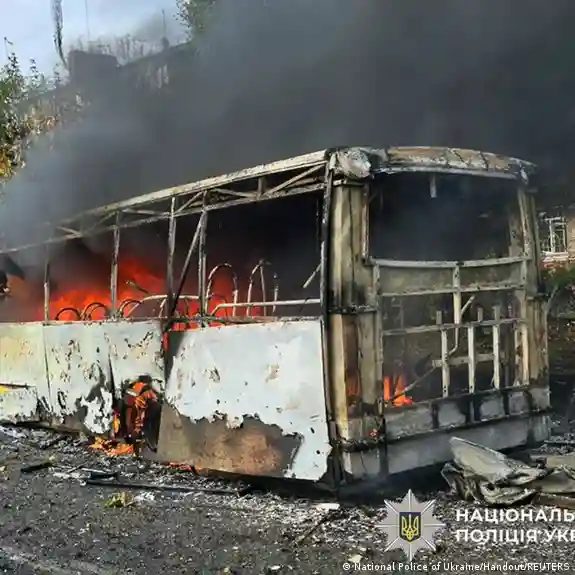
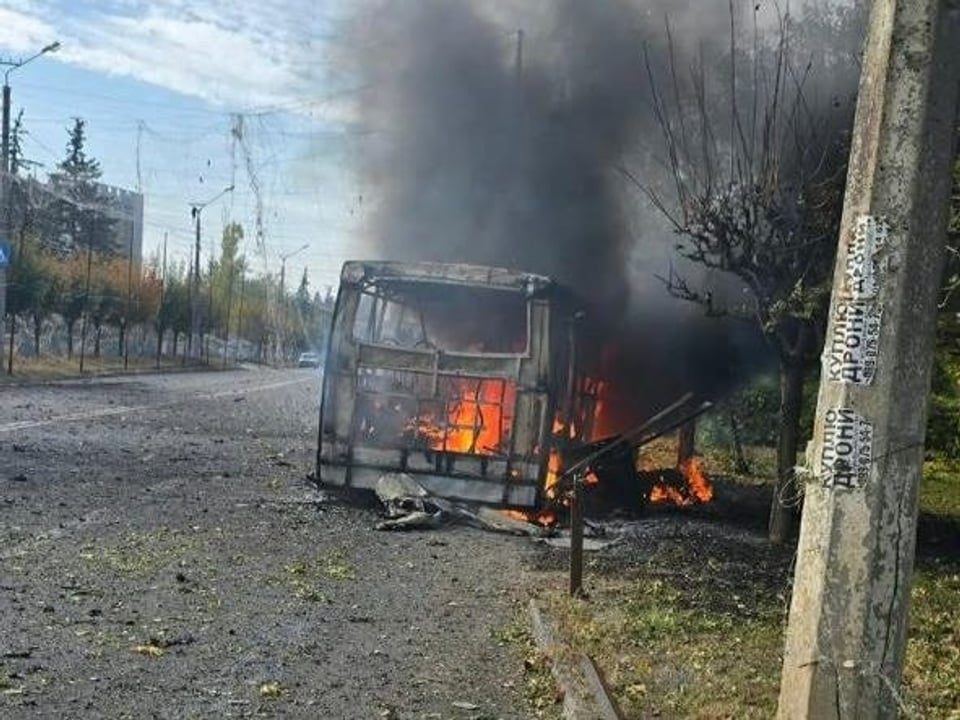
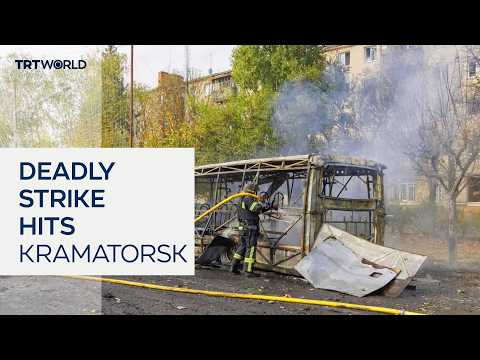
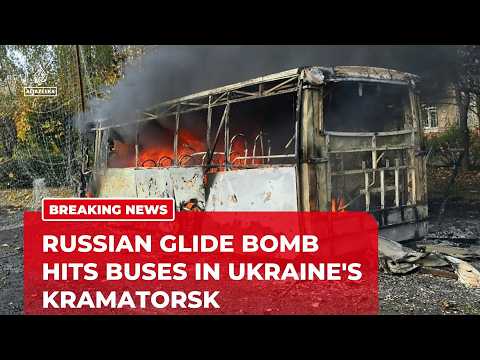
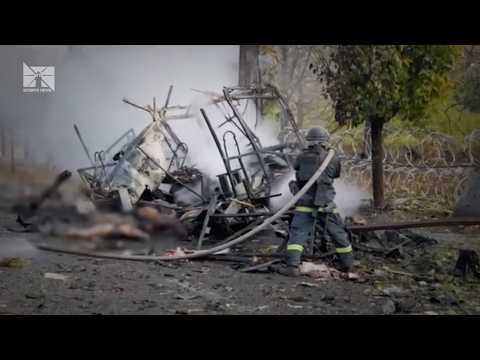
A Russian guided bomb exploded beside two buses at a Kramatorsk bus stop on October 8, killing at least 30 people and wounding 18. Regional governor Vadym Filashkin ordered all public transport suspended in the city and neighboring Slovyansk, saying the buses were targeted to kill as many civilians as possible.

Kramatorsk sits about 20 kilometers from the front line in the Donetsk region, part of a defensive belt Moscow wants to seize. Analysts see a new Russian tactic: striking transport links as well as power grids to immobilize the country as its fifth wartime winter approaches. The United Nations counted 15,280 civilians killed or injured in the first eight months of 2026, up 55 percent from the same period in 2025.

Why it matters

Russia's new focus on transport hubs threatens to strangle Ukraine's wartime logistics and civilian movement as winter deepens the energy crisis.

Questions about this story

Free account needed to ask — your question is kept and asked for you right after sign-up. Answers are public.

No questions yet — be the first to ask.

Key Indicators

30
Killed in Kramatorsk bus strike
Officials said at least 30 people died when a glide bomb hit two buses at a bus stop.
18
Wounded in Kramatorsk bus strike
Reported by Donetsk regional head Vadym Filashkin.
15,280
Civilians killed or injured in Ukraine in first 8 months of 2026
United Nations figure covering January through August 2026.
55%
Increase in civilian casualties vs. same period in 2025
From United Nations data on civilians killed or injured in Ukraine.

Voices

Curated perspectives — historical figures and your fellow readers.

Ever wondered what historical figures would say about today's headlines?

Sign up to generate historical perspectives on this story.

People Involved

Organizations Involved

Timeline

August 2026 October 2026

4 events Latest: Yesterday
Tap a bar to jump to that date
  1. Glide bomb strikes buses in Kramatorsk

    Latest Attack

    A Russian glide bomb exploded beside two passenger buses, killing at least 30 and wounding 18 in the frontline city.

  2. Public transport suspended; Kyiv strike kills four

    Response

    Governor Filashkin suspends buses in Kramatorsk and Slovyansk. A Russian attack on Kyiv kills four, and Ukraine strikes a Yandex data center and a Salavat oil refinery.

  3. Pryluky apartment block hit, 22 dead

    Attack

    A Russian missile destroyed a five-storey apartment block east of Kyiv, killing 22 people including five children, three of them one year old.

  4. Glide bomb campaign intensifies over Kramatorsk

    Escalation

    Up to nine glide bombs hit Kramatorsk in a single day, part of a surge in Russian air attacks on the city.

Scenarios

1

Kramatorsk falls to Russian forces

Possible Resolves by Q2 2027

Discussed by: BBC, Washington Post, military analysts

Moscow claims the entire Donbas and has set its sights on the Kramatorsk-Slovyansk defensive belt. The intensified glide bomb campaign reads as a softening-up phase before a ground push. The city has held since 2014, when separatists first tried to take it, but Ukraine's ammunition and interceptor shortfalls make a repeat of the Bakhmut pattern plausible.

2

Transport collapse deepens across Ukraine

Possible Resolves by End of 2026

Discussed by: Volodymyr Fesenko (Penta), Al Jazeera

Russia's strikes now target buses, trains, gas stations, bridges and ports. If the bombardment continues, rail and road service could break down region by region, choking military supply lines and civilian movement. Governor Filashkin's suspension of transport in two cities may be the first of many.

3

Ceasefire negotiations gain ground

Unlikely Resolves by Jan 20, 2027

Discussed by: US Secretary of State Marco Rubio

Rubio called the war a dangerous stalemate and said Washington would keep working toward a settlement, adding that a European team may join the negotiating group. A ceasefire would not resolve the underlying dispute over Donbas, but it could halt the strikes while negotiations proceed. The Kramatorsk attack makes such talks harder politically for Kyiv.

Historical Context

2 moments from history that rhyme with this story — and how they unfolded.

August 2022 – May 2023

Bakhmut battle (August 2022–May 2023)

Russian forces, including Wagner mercenaries, spent nine months grinding through the eastern city of Bakhmut, which was reduced to rubble before Moscow claimed it. The assault relied on overwhelming artillery and infantry waves at enormous cost to both sides.

Then

Russia captured a destroyed city for a symbolic victory, with tens of thousands of casualties on both sides.

Now

Bakhmut set the pattern for Russia's Donbas approach: heavy bombardment, then attritional infantry pushes.

Why this matters now

Kramatorsk is the next target in the same defensive belt. The Bakhmut campaign shows the price Moscow has been willing to pay for each city.

March – May 2022

Mariupol siege (March–May 2022)

Russian forces surrounded the port city of Mariupol, shelled it for weeks, and cut off food, water and power. Thousands of civilians died before the city fell, and the Azovstal steel plant became the last holdout.

Then

Mariupol fell in May 2022 after months of siege, giving Russia a land corridor to Crimea.

Now

The siege became a symbol of Russia's treatment of civilians in the Donbas and the basis for later war-crimes allegations.

Why this matters now

The Kramatorsk bus strike fits the same pattern of heavy civilian toll in Russia's campaign to consolidate control of the Donbas.

Sources

(10)