Anchor

Police arrest suspect in German power grid sabotage attacks
Force in Play48-year-old held near Weisweiler power plant after week of attacks on Germany's high-voltage grid
Yesterday: Suspect arrested near Weisweiler power plantNew here? Follow stories to track developments over time. Create a free account to get updates when stories you care about change.
Overview
Updated YesterdayGerman police arrested a 48-year-old man Tuesday near the Weisweiler power plant in western Germany, ending an eight-day hunt for whoever had been attacking the country's high-voltage grid with homemade rockets. The suspect, identified by German media as Daniel V., was carrying explosives when detained and had a tent rigged with more explosives in nearby undergrowth.
Since September 1, attacks in Brandenburg, Saxony, and North Rhine-Westphalia used rockets to fire thin conductive wire across high-voltage lines, causing short circuits that knocked coal plant units offline in at least two cases. Saxony's interior minister said the campaign could have caused a regional blackout.
Why it matters
A single actor with homemade rockets brought parts of Germany's power grid close to blackout, exposing how accessible the country's energy infrastructure is to sabotage.
Questions about this story
Free account needed to ask — your question is kept and asked for you right after sign-up. Answers are public.
No questions yet — be the first to ask.
Key Indicators
3
German states targeted
Brandenburg, Saxony, and North Rhine-Westphalia each saw attacks on high-voltage lines.
20+
Homemade rockets fired at Jänschwalde substation
More than 20 rockets launched the conductive wire that caused two short circuits in Brandenburg.
21
Explosive devices recovered in Saxony
Police found 21 devices near high-voltage power lines in Saxony over one weekend; all were defused.
8 days
Time from first attack to arrest
Attacks began September 1; the suspect was arrested September 8 near the Weisweiler plant.
Related Media
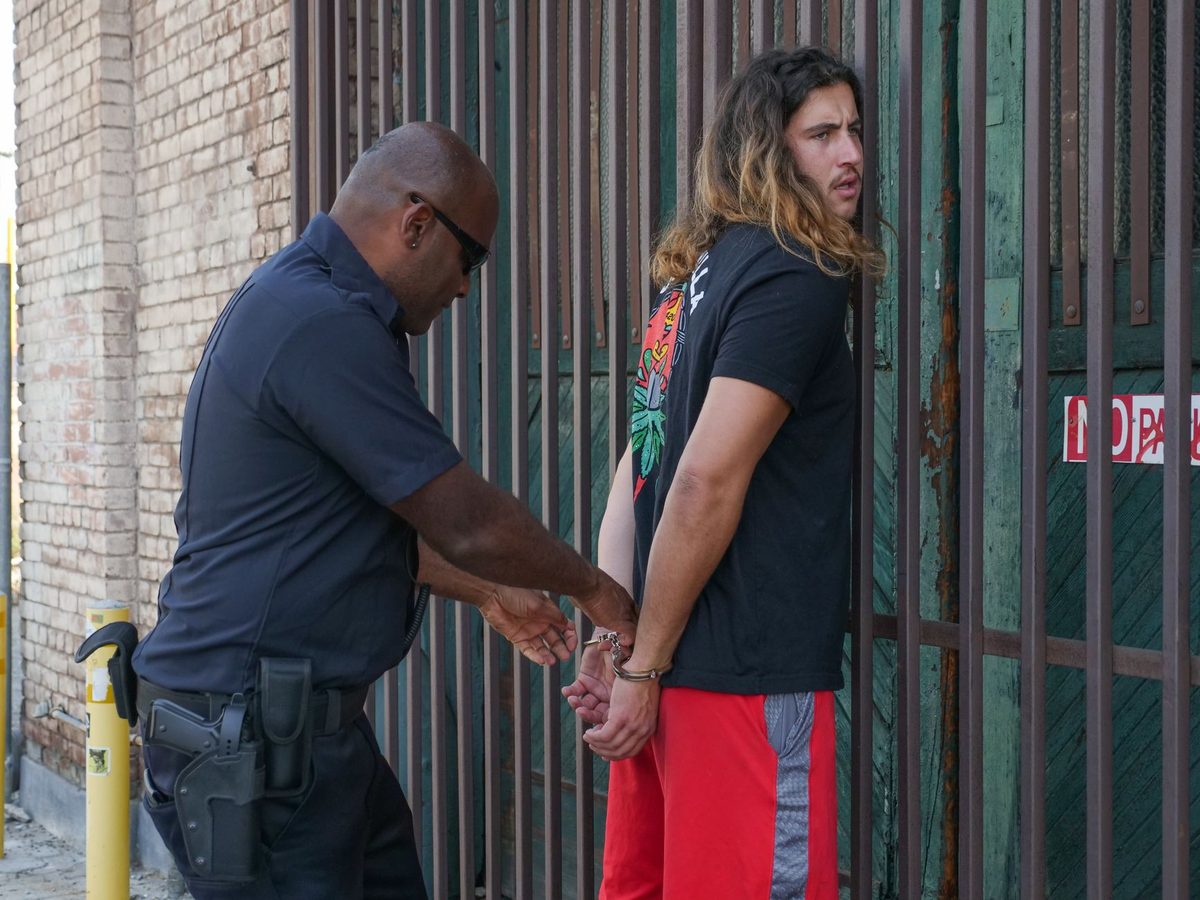
Police officer handcuffing a suspect during an arrest against an urban backdrop.
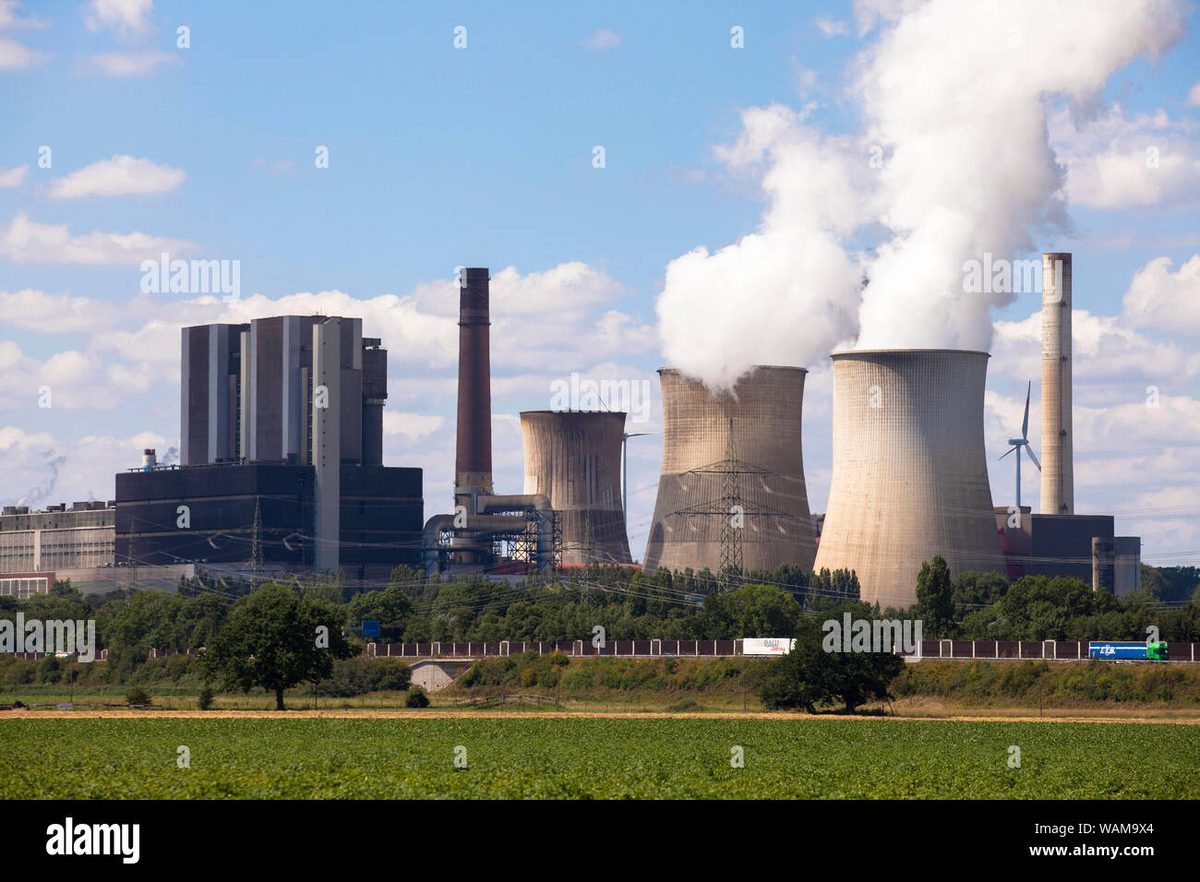
the lignite-fired power plant Weisweiler in Eschweiler-Weisweiler, North Rhine-Westphalia, Germany. das Braunkohlekraftwerk Weisweiler in Eschweiler Stock Photo - Alamy
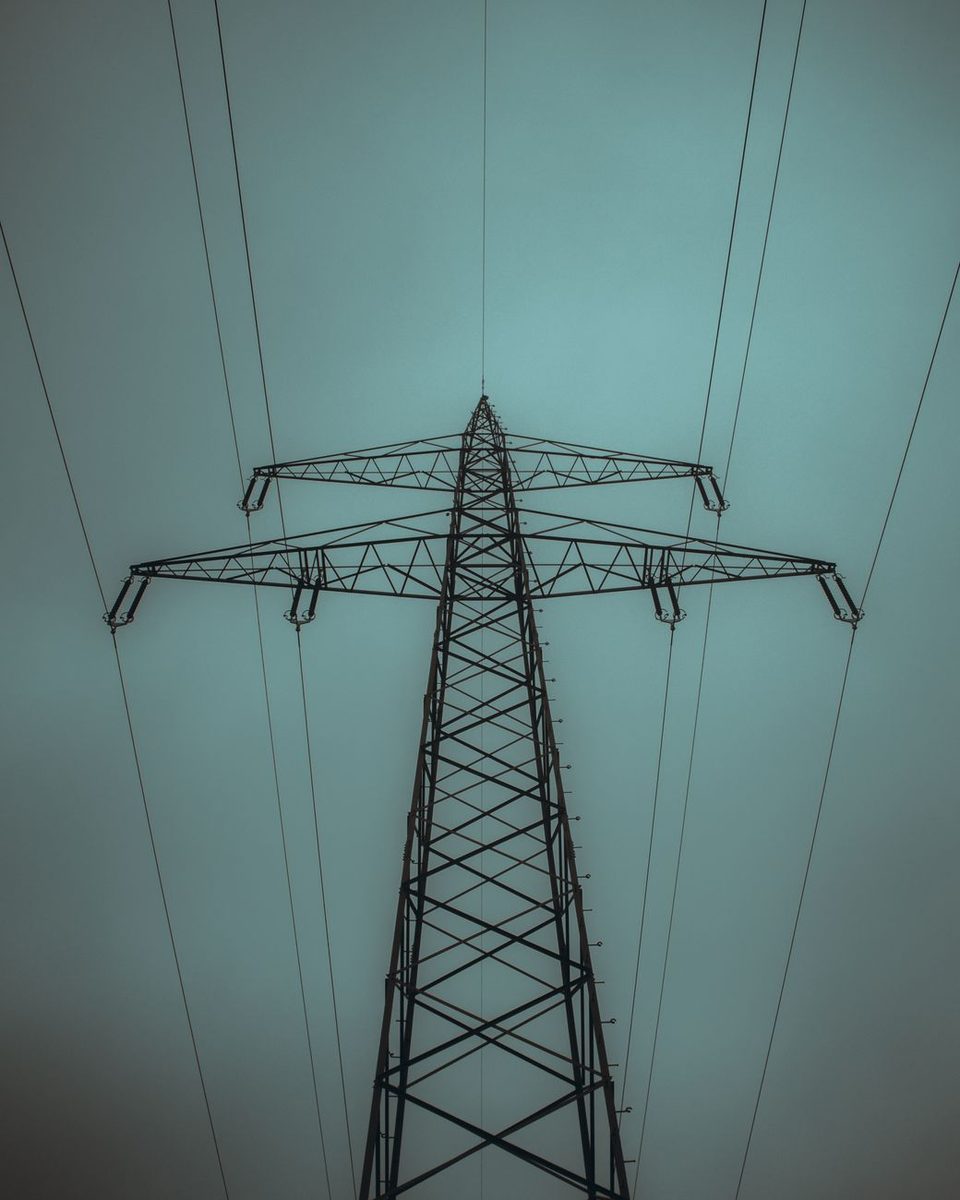
Low angle shot of a power transmission tower against a dramatic sky in Germany.
170 views
1:47
Police Detain Suspect After Nationwide Manhunt | NewsX World
NewsX World
1.4K views
2:36
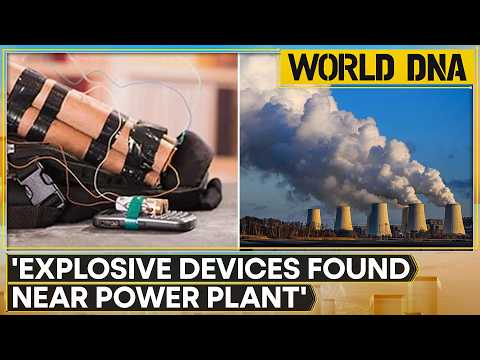
Explosives Found Near German Power Plant, Suspected Attack ...
WION
516 views
5:55
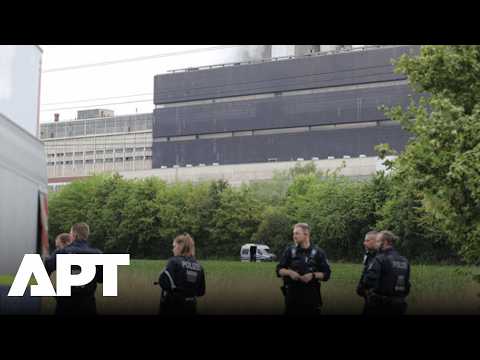
Power Grid Sabotage Probe Underway In Germany After ...
APT
Images from Openverse under Creative Commons licenses. Videos from YouTube.
Voices
Curated perspectives — historical figures and your fellow readers.
Play
Exploring all sides of a story is often best achieved with Play.
Most of these play right now — no account needed. Sign up to save scores, keep a streak, and unlock Debate and Predict.
Log in
Sign Up
Higher or Lower
A number from this story, against one from elsewhere in the news — guess which is bigger, then keep the chain going. 5 rounds, 3 strikes; a miss costs a strike and resets your streak.
Example
Anchor
EU tariff revenue
$52B
Big for this kind of number
Mystery
Pentagon AI contract
?
Round 1
Streak: 0
Mystery
?
Keyboard: ↓/L lower · ↑/H higher
0 pts
Best streak: 0 · Rounds: 0
0 points — sign up to put that on the leaderboard.
Now try on this story
Timeline
Police arrest suspect in German power grid sabotage attacks
Order five events from this story, oldest at top. Each in the right slot scores 1 — neighbours within one slot count too. Your previous result — green ✓ for exact slots, yellow ~ for off by one. Cards now in true chronological order.
Loading puzzle…
Tap 💡 Free hint to lock the oldest into slot 1 — that leaves just four to order. Type pills are clues.
0/5
Exact slot
0/5
Within 1
Sign up to save your score and track a streak across stories.
Now try on this story
Connections
Sixteen names from the news. Find the four hidden groups of four. Four mistakes max.
Loading today's puzzle…
0/4 groups
Mistakes
Sign up to keep a daily streak — a new puzzle lands every day.
Now try on this story
Exit debate?
Your progress in this debate will be lost.
How it works
- 1 Two AI personas square off on this story.
- 2 You predict who'll win each round — correct picks earn XP.
- 3 One crossfire question is yours to fire. Pick it carefully.
Couldn't generate a topic
Select Your Champions
Choose one persona for each side of the debate
DEBATE TOPIC
Choose personas with different perspectives for a more dynamic debate.
SIDE A (PRO)
Select debater for this side:
No debate personas available right now.
SIDE B (CON)
Select debater for this side:
No debate personas available right now.
VS
Get ready to make your prediction...
Round of
Claim
Evidence
Stakes
Crossfire Answer
Closing Statement
Claim
Evidence
Stakes
Crossfire Answer
Closing Statement
Your Crossfire Question
Generating arguments...
Who's Got This Round?
Make your prediction before the referee scores
The referee scores both sides on
Correct predictions earn +20 XP
· Press 1 or 2 to pick
Evidence
40%
Logic
30%
Detail
20%
Style
10%
Round Results
Your Pick
Not this time
(%)
Overall Score
/10
Your Pick
Not this time
(%)
Overall Score
/10
Set the Crossfire
Pick the question both personas must answer in the final round
Crafting crossfire questions...
Choosing a question earns +10 XP crossfire bonus
🏆
Total XP Earned
Cred Change
Predictions
Debate Oracle! You called every round!
Sharp Instincts! You know your debaters!
The Coin Flip Strategist! Perfectly balanced!
The Contrarian! Bold predictions!
Inverse Genius! Try betting the opposite next time!
XP Breakdown
Base completion
+20 XP
Rounds played ( rounds x 5 XP)
+ XP
Correct predictions ( correct x 20 XP)
+ XP
Crossfire bonus
+10 XP
Accuracy
%
Prediction History
Round
You picked:
✓
✗
Now try on this story
Keep debating to level up your credibility and unlock achievements
People Involved
DW
Daniel V. (surname withheld)
48-year-old suspect from Gevelsberg, southern Ruhr region
In custody; under investigation for causing an explosives detonation and disrupting public utilities
Alexander Dobrindt
Federal Interior Minister (CSU)
Leading federal response; publicly labeled attacks climate terrorism
Herbert Reul
NRW Interior Minister (CDU)
Announced the suspect intended to continue attacks
Armin Schuster
Saxony Interior Minister (CDU)
Warned attacks could have caused regional blackout
Organizations Involved
CP
Cologne Police
Regional Police Force
Made the arrest near Weisweiler on September 8
The Cologne police force detained the suspect carrying explosives and found a tent rigged with additional explosives in nearby undergrowth.
CO
Cottbus public prosecutor's office
Public Prosecutor's Office
Leading the investigation into the power grid attacks
German prosecutors leading the case because the first attack struck the Jänschwalde substation in Brandenburg, which falls under Cottbus jurisdiction.
RWE Power
Electric Utility Operator
Took five lignite units offline after September 1 short circuit
Operated the Neurath and Niederaußem plants near Cologne, where five lignite units with about 4,200 MW combined capacity were taken offline after the short circuit.
50Hertz
Transmission System Operator
Confirmed two short circuits at Jänschwalde substation
The transmission system operator for eastern Germany confirmed that two short circuits occurred at the Jänschwalde substation, briefly interrupting supply.
Timeline
5 events
Latest: Yesterday
Tap a bar to jump to that date
-
Suspect arrested near Weisweiler power plant
Latest LegalPolice detain a 48-year-old man identified by media as Daniel V. while he carries explosives. A tent rigged with more explosives is found in nearby undergrowth. The Cottbus public prosecutor's office leads the investigation into causing an explosives detonation and disrupting public utilities.
-
Launch devices found near Weisweiler plant
InvestigationPolice discover several launch devices on high-voltage lines near the Weisweiler plant in western Germany, along with another confession letter.
-
Saxony recovers more explosive devices
InvestigationSaxony police find 21 devices near high-voltage power lines across the state over the weekend; all are defused without damage.
-
Dobrindt calls attacks climate extremism
StatementFederal Interior Minister Alexander Dobrindt says evidence points to a lone perpetrator with climate motives. Twelve more devices are recovered near the Bärwalde and Graustein substations in the Lusatian coal region.
-
Rocket attacks hit two German substations
AttackMore than 20 homemade rockets fire conductive wire over high-voltage lines at the Jänschwalde substation in Brandenburg, causing two short circuits. A similar device at the Rommerskirchen substation near Cologne triggers an earth fault, taking five lignite units offline.
Historical Context
3 moments from history that rhyme with this story — and how they unfolded.
May 1970 - April 1998
Red Army Faction (1970-1998)
The West German left-wing militant group carried out bombings and assassinations targeting US military installations, police, and business leaders for nearly three decades, including the 'German Autumn' of 1977 when they kidnapped and killed employer president Hanns Martin Schleyer.
Then
The German state responded with massive manhunts and security overhauls; many members were captured in the 1970s and 1980s.
Now
The RAF formally dissolved in April 1998, but its attacks shaped Germany's domestic security architecture, including federal coordination between state police forces.
Why this matters now
Germany has dealt with ideologically motivated sabotage before, and the current federal-state coordination on this case reflects institutional lessons from that era.
May 1978 - April 1995
Unabomber (1978-1995)
Ted Kaczynski mailed or hand-delivered 16 bombs over 17 years, killing three people and injuring 23, targeting academics and airlines. In 1995, he sent a 35,000-word manifesto to The New York Times and The Washington Post; when they published it, his brother recognized the writing and tipped off the FBI.
Then
Kaczynski was arrested in April 1996 at his Montana cabin, where FBI agents found bomb-making materials and journals.
Now
He pleaded guilty in 1998 to avoid the death penalty and was sentenced to life without parole. He died in prison in June 2023.
Why this matters now
Like the German suspect, Kaczynski sent detailed manifestos claiming responsibility and explaining his motives, and investigators used those documents to build the case against him.
December 2022
Moore County substation attack (2022)
Someone fired a rifle at two Duke Energy substations in Moore County, North Carolina, on December 3, 2022, damaging transformers and cutting power to roughly 45,000 customers for up to four days.
Then
Federal investigators joined the probe, but no suspect was ever publicly identified or arrested.
Now
The attack pushed utilities to add physical security at substations and highlighted the fragility of US power infrastructure.
Why this matters now
It showed how a single actor with basic tools could disrupt power for tens of thousands of people, and how hard such perpetrators can be to identify.
Sources
(8)Related Stories
SuedLink's Elbe tunnel is done; 700-km power corridor nears 2028 commissioning
Built World
Updated Aug 25
Armed robbery near Grand Valley State University leads to four arrests
Force in Play
Updated 6 days ago
Russia's war on Ukraine's power grid
Force in Play
Updated May 29
Ukraine-Russia energy infrastructure war
Force in Play
Updated Jul 2
Coordinated bombings target Jewish sites across Belgium and the Netherlands
Force in Play
Updated May 30
Germany's far-right AfD nears state power for the first time since Nazi era
Rule Changes
Updated 2 days ago