
Pull to refresh
Logo
Salt Lake City plants cacti to stop erosion on fire-scorched foothills

Salt Lake City plants cacti to stop erosion on fire-scorched foothills

Built World Salt Lake City, UT local

Volunteers and city crews plant 1,500 cacti to stabilize slopes scorched by the Bonneville Fire

October 2026: Crews plant 1,500 cacti to hold fire-scarred slopes

Overview

Updated 2 hours ago

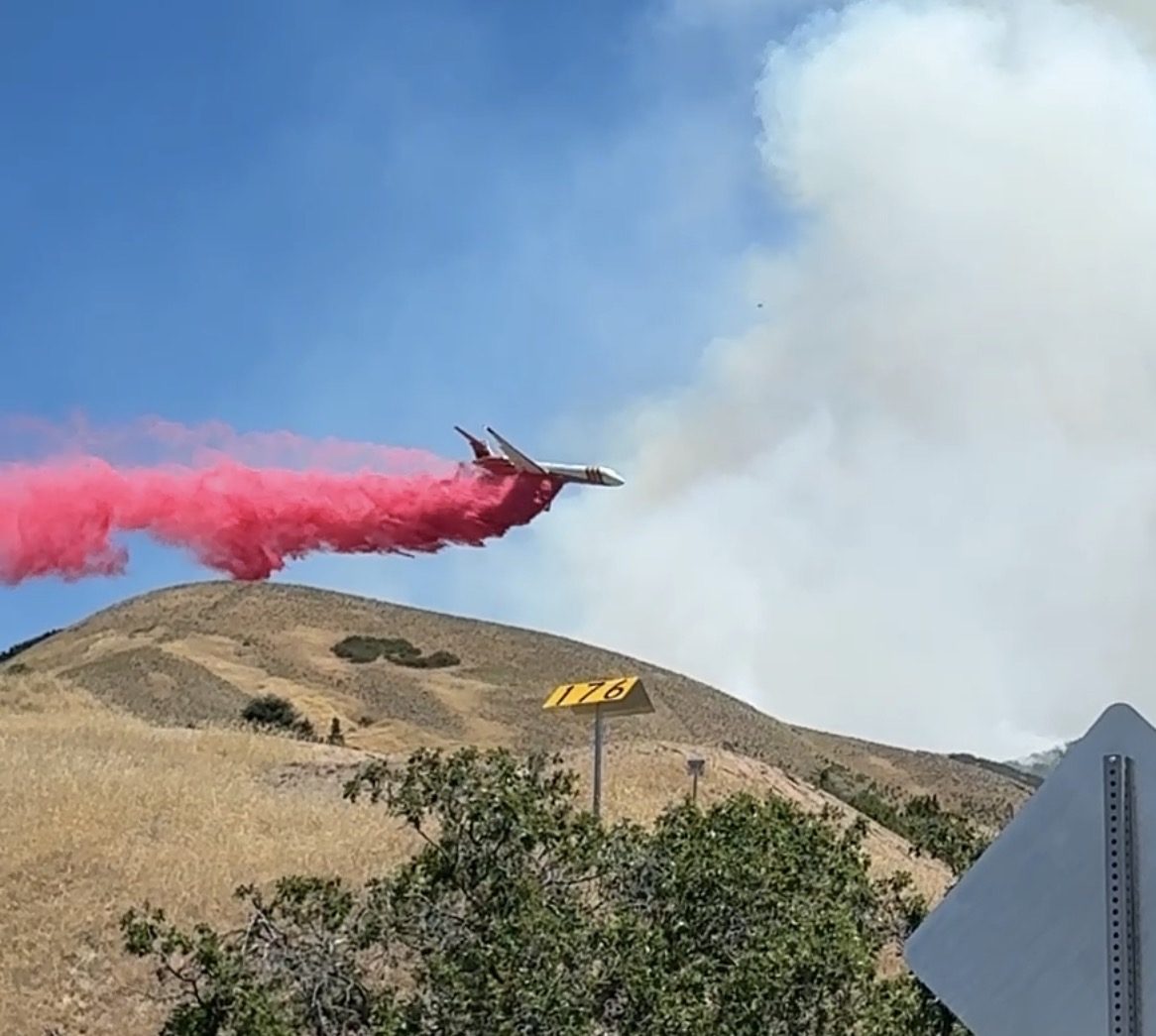
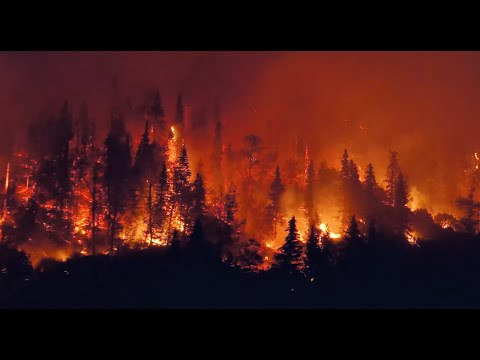
A fire burned the hillsides above Red Butte Garden. Officials are now covering the scar with 1,500 prickly pear cacti to keep the slopes from washing away.

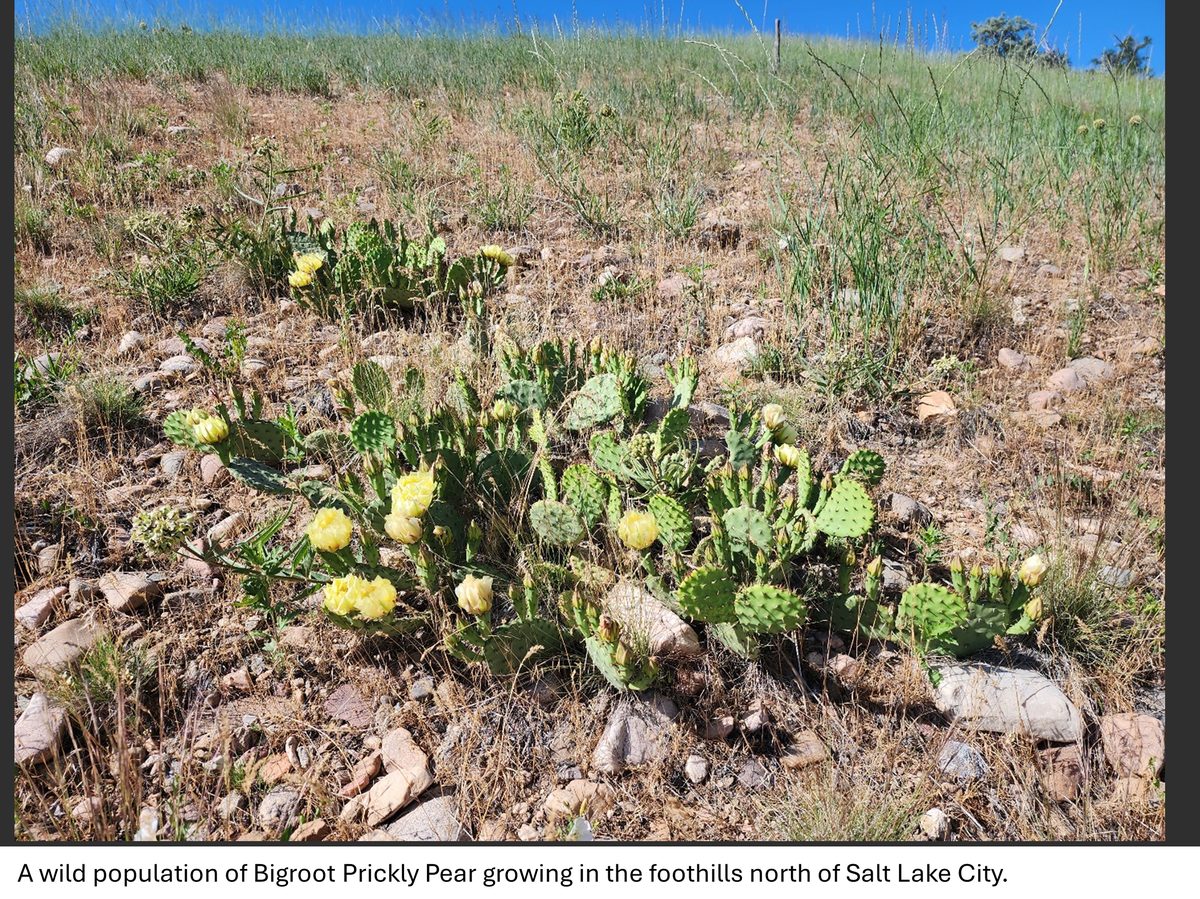
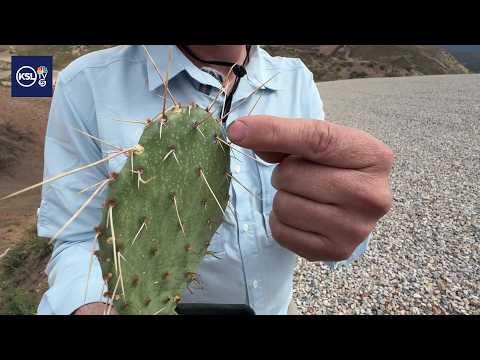
Prickly pear roots spread wide in dry, rocky soil, anchoring ground the fire left bare. The city also planted sagebrush grown in a state prison greenhouse. If the plantings hold, the slopes stabilize and an elk herd that roams the foothills keeps its habitat; if not, rain could push mud toward the neighborhoods below.

Why it matters

Rain on the fire-scarred foothills could push mud into nearby neighborhoods; this cactus planting is the city's bid to stop it.

Monday: what changed in Salt Lake City, UT

One short email a week with the openings, closings, permits and council votes we covered. Free. Unsubscribe in one click.

Questions about this story

Free account needed to ask — your question is kept and asked for you right after sign-up. Answers are public.

No questions yet — be the first to ask.

Key Indicators

1,500
Prickly pear cacti planted
Crews planted 1,500 shallow-rooted cacti across the Bonneville burn scar in early October.
1
Burn scar under restoration
Restoration targets the single fire scar above Red Butte Garden.
Ongoing
Volunteer planting events
Public Lands plans more volunteer events focused on wildfire mitigation in coming weeks.

Voices

Curated perspectives — historical figures and your fellow readers.

Ever wondered what historical figures would say about today's headlines?

Sign up to generate historical perspectives on this story.

People Involved

Organizations Involved

Timeline

June 2026 October 2026

2 events Latest: October 2026
  1. Crews plant 1,500 cacti to hold fire-scarred slopes

    Latest Restoration

    Volunteers and Public Lands staff plant prickly pear cacti and prison-grown sagebrush across the burn scar to stop erosion and feed wildlife.

  2. Bonneville Fire scorches Salt Lake City foothills

    Wildfire

    A human-caused fire burns above Red Butte Garden, stripping slopes and threatening nearby areas.

Scenarios

1

Burn scar holds through spring runoff

Likely Resolves by Jul 1, 2027

Discussed by: Salt Lake City Public Lands restoration staff

The cacti and sagebrush need to root before spring storms hit. If the plantings survive the first wet season without major erosion, the risk of mud and debris reaching the neighborhoods below drops sharply. Public Lands has called the hillsides vulnerable to flooding and erosion, making the first wet season the real test.

2

Foothills restoration expands beyond the burn scar

Likely Resolves by End of 2027

Discussed by: Salt Lake City Public Lands, which plans future volunteer events on wildfire mitigation

Success on the Bonneville scar would give the city a model: fast-rooting native plants, volunteer crews, and prison-grown seedlings. Public Lands already runs vegetation projects along the Jordan River corridor and at foothill trailheads, so extending restoration to other disturbed slopes fits its agenda. The question is whether the department funds expansion beyond the current burn area.

3

A repeat fire sets recovery back

Unlikely Resolves by End of 2027

Discussed by: Fire officials; the Bonneville Fire was human-caused and sits in a dry, high-use corridor

Another ignition during a dry spell could burn replanted areas before they establish. Public Lands' decision to steer future volunteer events toward wildfire mitigation suggests the city considers repeat fires a live threat. A second burn would restart the clock on habitat recovery and erosion control.

Historical Context

3 moments from history that rhyme with this story — and how they unfolded.

January 2018

Montecito debris flows (2018)

Heavy rain fell on the burn scar left by the massive Thomas Fire above Montecito, California. Within hours, mud and boulders tore through the town, killing 23 people and destroying over 100 homes.

Then

The disaster showed how quickly a fire-scarred hillside can fail in the first wet season.

Now

It pushed California to invest heavily in post-fire hazard assessment, debris-flow warnings, and slope stabilization.

Why this matters now

The Salt Lake foothills above Red Butte Garden face the same risk: rain on bare, charred slopes can move fast and reach populated areas.

Summer 1988

Yellowstone fires (1988)

Wildfires burned roughly 793,000 acres across Yellowstone National Park, driven by drought and wind. It was the largest fire in park history at the time.

Then

Tourists and officials feared the park was ruined, but within a decade lodgepole pine and other species regenerated.

Now

Yellowstone became the reference case for natural regeneration, showing burned landscapes can recover without heavy human intervention.

Why this matters now

It frames the choice Salt Lake City faces: let the foothills regrow on their own or actively plant to speed recovery and protect downhill neighborhoods. The city has chosen active restoration.

June 2002

Hayman Fire (2002)

Colorado's largest wildfire at the time burned about 138,000 acres near Denver, leaving a massive burn scar in the mountains that supplied the city's water.

Then

Post-fire flooding and debris flows repeatedly damaged roads, streams, and reservoirs in the years that followed, prompting emergency seeding and barrier construction.

Now

Hayman set the template for Western post-fire erosion response: stabilize slopes fast, or pay for sediment and flood damage later.

Why this matters now

It shows what the Bonneville burn scar could become without intervention, and why the city is planting cacti now.

Sources

(2)