



Pull to refresh
Logo
Cross E Ranch owners propose selling part of their farm for housing

Cross E Ranch owners propose selling part of their farm for housing

Built World Salt Lake City, UT local

The owners call a partial land sale a 'last effort' to keep the seasonal farm open.

Today: Cross E Ranch owners request homes on part of the farm

Overview

Updated 1 hour ago

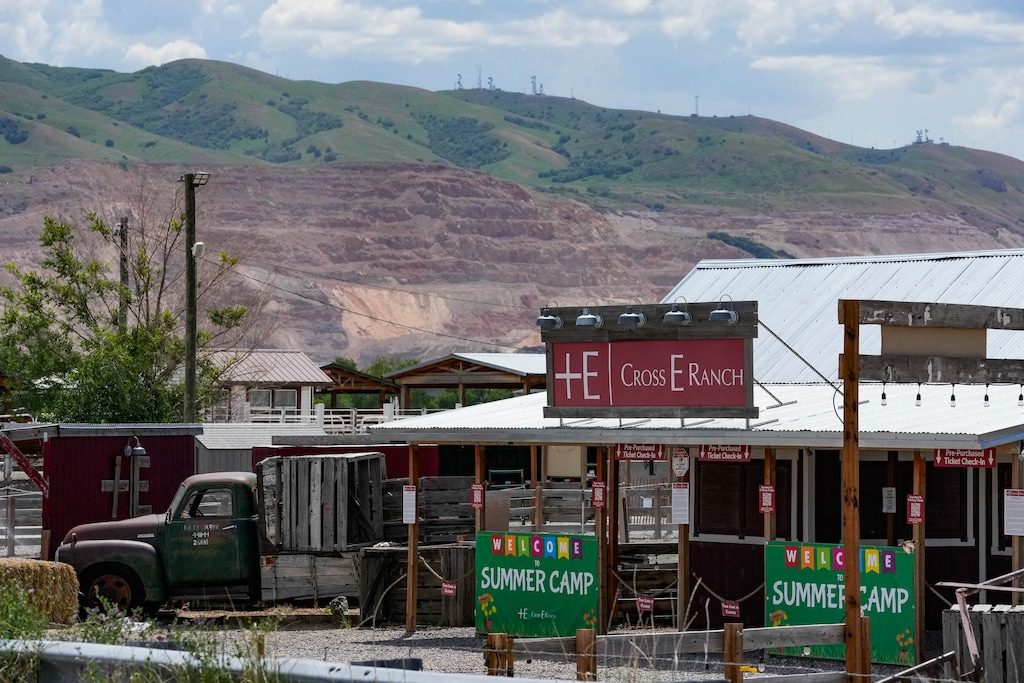
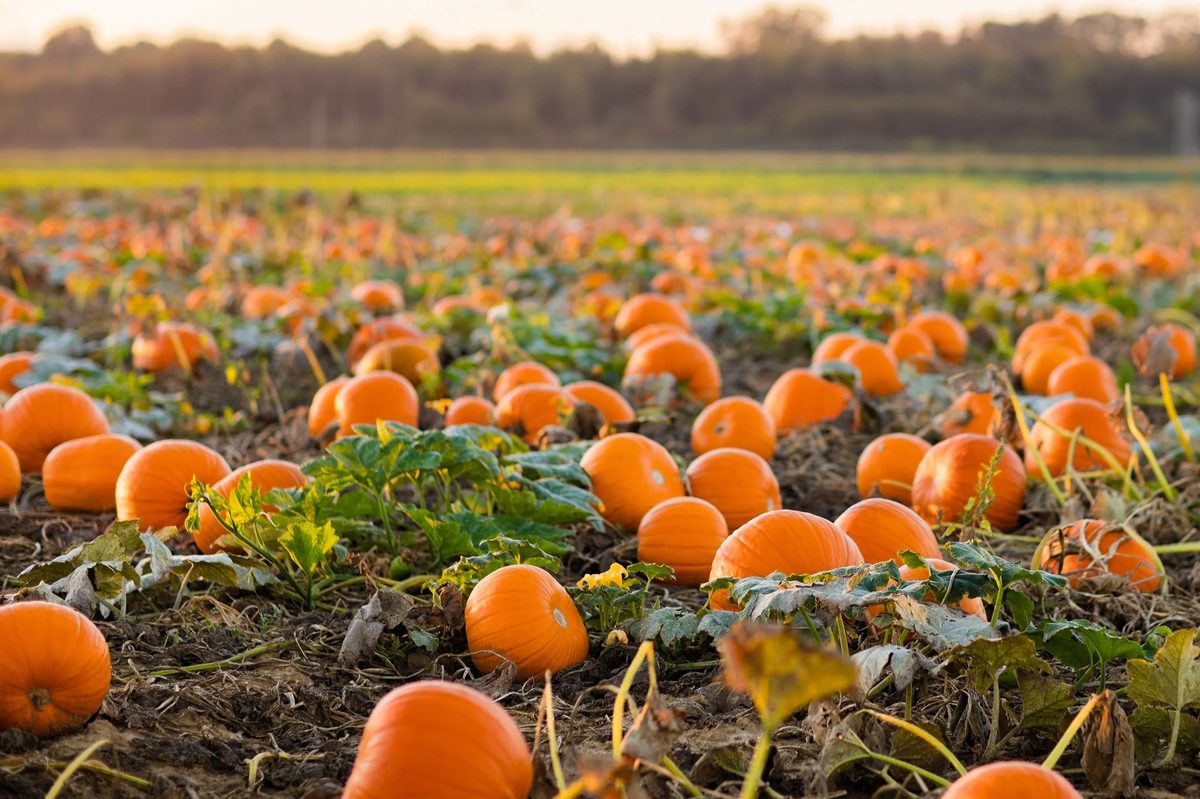
Cross E Ranch, the seasonal farm where Salt Lake City families pick pumpkins and buy cider doughnuts each fall, may shrink to make room for new homes. The owners have asked city officials to allow residential development on part of the property as what they call a 'last effort' to keep the ranch open.

The request puts a familiar conflict before the city: a growing municipality needs housing, while its working farmland keeps disappearing. If the city approves the plan, the ranch would keep its core attractions but lose acreage. If it doesn't, the owners say the whole operation could close.

Why it matters

Salt Lake City's growth is forcing its last farm destinations to shrink or close. If the city says no, a beloved family farm could shut down entirely.

Questions about this story

Free account needed to ask — your question is kept and asked for you right after sign-up. Answers are public.

No questions yet — be the first to ask.

Key Indicators

Pending
City zoning decision
The Salt Lake City Council has not yet voted on the proposal.
Open
Ranch operations
Cross E Ranch continues to operate while the request is reviewed.

Voices

Curated perspectives — historical figures and your fellow readers.

Ever wondered what historical figures would say about today's headlines?

Sign up to generate historical perspectives on this story.

People Involved

Organizations Involved

Timeline

1 event Latest: Today
  1. Cross E Ranch owners request homes on part of the farm

    Today Proposal

    The owners asked Salt Lake City officials to allow residential development on a portion of the property as a 'last effort' to keep the ranch open.

Scenarios

1

City approves zoning change, ranch sells a parcel and stays open

Possible Resolves by Q1 2027

Discussed by: The Salt Lake Tribune, reporting the owners' hopes that the land sale keeps the operation alive

The council approves a zoning change or development agreement allowing housing on part of the property. The owners sell that parcel, use the proceeds to stabilize finances, and keep the ranch's core attractions—including the cider doughnuts—open to the public.

2

Council rejects the proposal, ranch faces closure

Possible Resolves by Q1 2027

Discussed by: Housing advocates who want the land preserved for development; the owners' stated warning that the sale is a last effort

The council votes down or indefinitely tables the request, leaving the owners without the revenue they say they need. The operation, unable to keep up with rising land costs, announces it will close at the end of the season.

3

Partial approval isn't enough, ranch sells out entirely

Unlikely Resolves by Jan 31, 2028

Discussed by: Land-use analysts who note that family farms at the urban edge often sell completely when development pressure mounts

Even with a zoning change, the economics don't work: the remaining farmland is too valuable as developable property, and the owners accept an offer for the whole site. The ranch closes permanently as housing replaces it.

Historical Context

2 moments from history that rhyme with this story — and how they unfolded.

1950s-1970s

Valley of Heart's Delight (1950s-1970s)

The Santa Clara Valley in California was the nation's leading fruit-growing region, with orchards covering much of the land. As the semiconductor industry grew, developers bought up orchards to build housing, offices, and industrial parks. By the 1980s, nearly all the valley's orchards were gone, replaced by what became known as Silicon Valley.

Then

Farm owners sold land at prices far above what farming could earn; orchard acreage collapsed within two decades.

Now

The region lost its agricultural identity almost entirely, and Silicon Valley became a global tech hub.

Why this matters now

Shows how a fast-growing regional economy can wipe out working farmland within a generation—the same pressure Cross E Ranch faces as Salt Lake City expands.

1960s-1970s

Irvine Ranch becomes a city (1960s-1970s)

The Irvine family held one of the largest ranches in Orange County, California, spanning more than 90,000 acres. Rather than keep farming as Southern California boomed, the family chose to develop the land. The master-planned City of Irvine was built on it and incorporated in 1971.

Then

The ranch's farm operations ceased as construction began on planned residential and commercial districts.

Now

Irvine became one of the most successful master-planned communities in the U.S., and the ranch name now refers to a city and a development company.

Why this matters now

A family ranch choosing development over farming as urban growth arrived—the same choice, at a smaller scale, facing Cross E Ranch's owners.

Sources

(1)

More from Salt Lake City, UT

Openings, permits and council decisions in Salt Lake City, UT, in your inbox every Monday.