

Pull to refresh
Logo
Salt Lake City bike trail faces removal petition from business owner

Salt Lake City bike trail faces removal petition from business owner

Built World Salt Lake City, UT local

Dispute over the 400 South Viaduct Trail comes as a new state law gives UDOT review power over the city's street projects

Yesterday: Business owner launches removal petition

Overview

Updated 1 hour ago

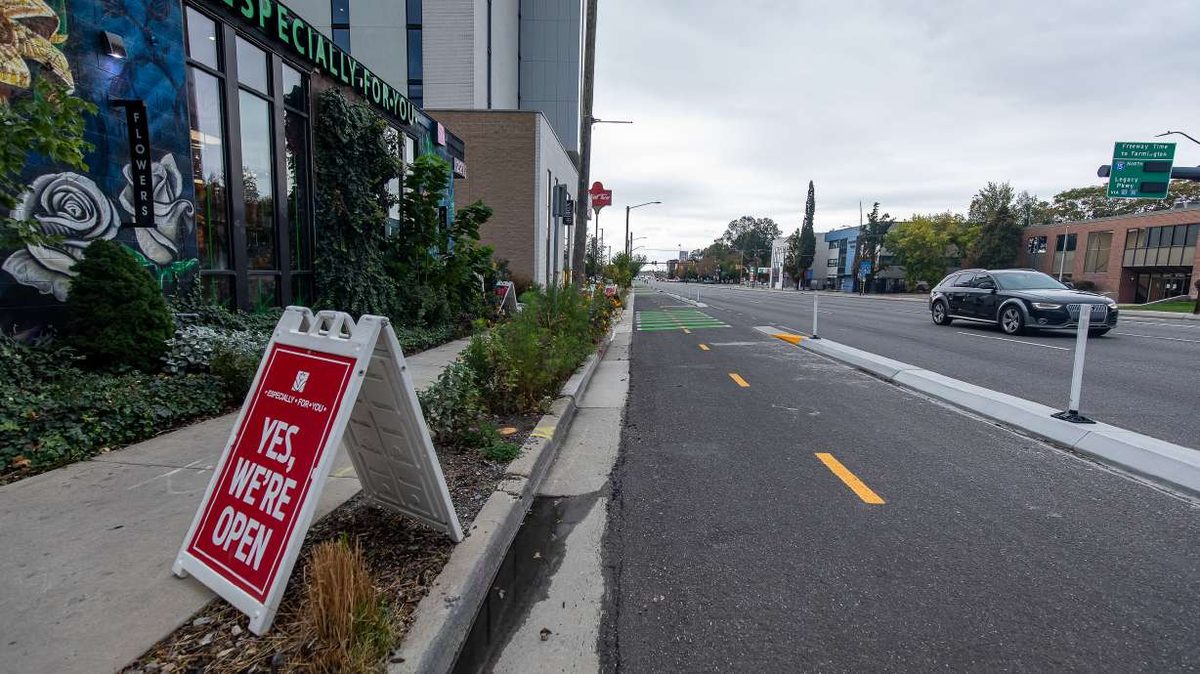
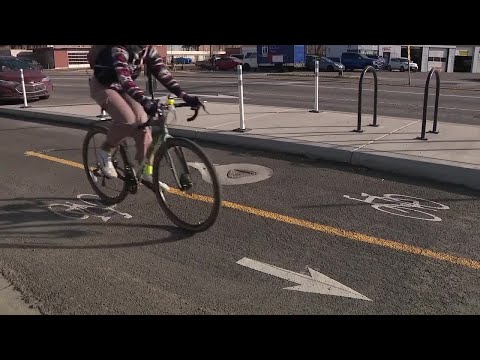
Salt Lake City opened a protected two-way bike trail along 400 South in May, and the florist at 221 W. 400 South wants it gone. Marci Rasmussen says traffic at Especially For You Flowers is down over 20% and that backing out of her driveway near the two-way cycle track has become dangerous.

City and state officials must sign an agreement by Jan. 1, 2027, deciding what changes, if any, come to the corridor. A new state law, SB242, gives the Utah Department of Transportation review power over the street.

Why it matters

A new Utah law gives the state DOT review power over Salt Lake City streets, and this bike trail dispute is the first test of that power.

Monday: what changed in Salt Lake City, UT

One short email a week with the openings, closings, permits and council votes we covered. Free. Unsubscribe in one click.

Questions about this story

Free account needed to ask — your question is kept and asked for you right after sign-up. Answers are public.

No questions yet — be the first to ask.

Key Indicators

0
Crash reports since trail opened
Salt Lake City says it has received no on-street crash or safety reports since the trail opened May 27.
20%+
Claimed traffic drop at flower shop
Rasmussen says customer traffic is down over 20%, a claim the city says it cannot validate. She also says revenue is down about 22%.
Jan 1, 2027
State-city agreement deadline
Under SB242, Salt Lake City and UDOT must sign an agreement on the 400 South corridor.

Voices

Curated perspectives — historical figures and your fellow readers.

Ever wondered what historical figures would say about today's headlines?

Sign up to generate historical perspectives on this story.

People Involved

Organizations Involved

Timeline

May 2026 October 2026

4 events Latest: Yesterday
Tap a bar to jump to that date
  1. Business owner launches removal petition

    Latest Activism

    KSL reports Rasmussen is gathering signatures from neighboring businesses to petition for the trail's removal.

  2. Near-collision outside flower shop

    Incident

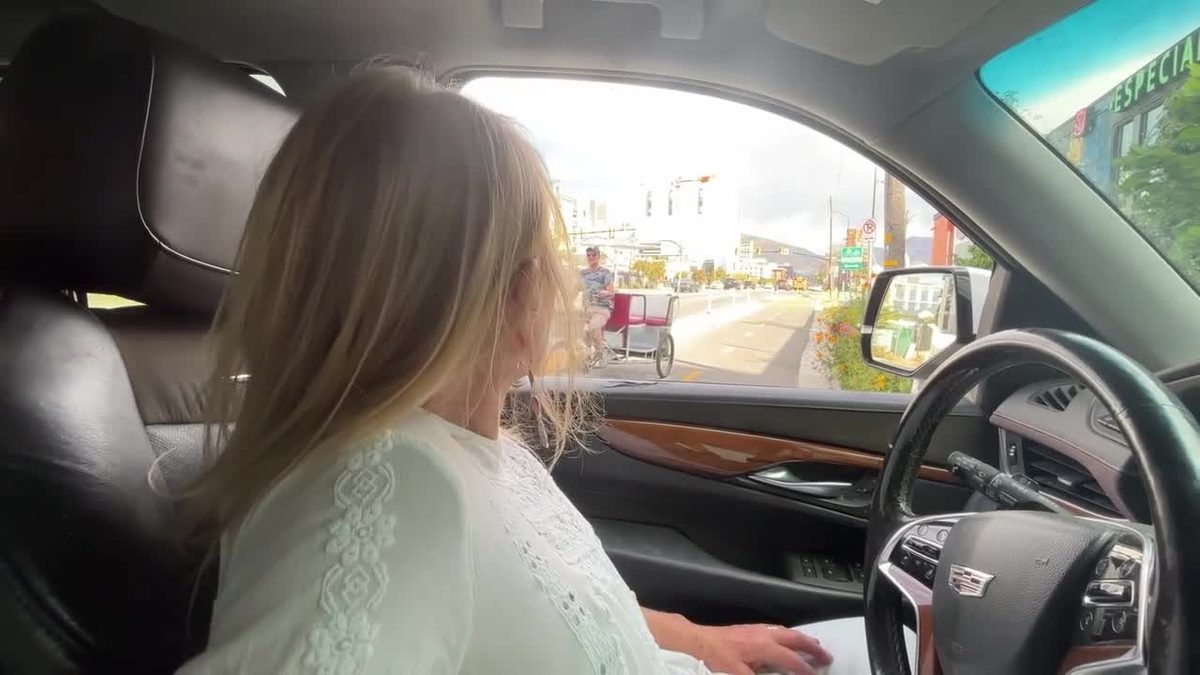
    Rasmussen nearly hits a cyclist while backing out of her driveway, prompting a petition.

  3. Project substantially complete

    Infrastructure

    City announces the trail is substantially complete with new striping, sidewalk and pedestrian ramp improvements.

  4. 400 South Viaduct Trail opens

    Infrastructure

    Salt Lake City opens a protected two-way path for bikes and pedestrians along 400 South.

Scenarios

1

Salt Lake City removes the 400 South Viaduct Trail

Unlikely Resolves by Jun 1, 2027

Discussed by: Rasmussen and some neighboring businesses; unlikely to be supported by current city leadership

The petition gains enough signatures and political support, and the city council, under pressure from business owners and the SB242 review process, votes to remove the trail. This would be a dramatic reversal for a project the city planned for years. The state's new oversight role provides a plausible path, since the law that created it was partially inspired by the trail.

2

City and UDOT announce safety modifications to the corridor

Likely Resolves by Mar 1, 2027

Discussed by: Salt Lake City officials, Rasmussen, early discussions in KSL and FOX 13 coverage

Under the Jan. 1, 2027, deadline, Salt Lake City and UDOT complete their SB242 agreement, which includes modifications to the 400 South corridor: improved signage, a redesigned driveway configuration at 221 W. 400 South, or parking adjustments. The trail stays but is adjusted to address business concerns. The city's statement that it is 'open to potential mitigations' supports this outcome.

3

State review concludes trail works as built

Possible Resolves by Mar 1, 2027

Discussed by: City officials, Sweet Streets and cycling advocates

The SB242 review finds no evidence of unusual safety problems (zero crash reports) and positive ridership feedback. The city and UDOT sign their agreement without ordering changes, and the trail remains as-is. Rasmussen's petition fades for lack of political support, similar to how some Bloomberg-era NYC bike lanes survived comparable business opposition.

Historical Context

2 moments from history that rhyme with this story — and how they unfolded.

2007-2013

New York City's Bloomberg-era bike lane expansion (2007-2013)

Under Mayor Michael Bloomberg, NYC DOT Commissioner Janette Sadik-Khan oversaw a major expansion of bike infrastructure, including protected lanes on arterial streets. Some blocks saw intense opposition from merchants and residents who feared lost parking and customers.

Then

Several bike lanes faced lawsuits and petitions, but most remained after courts upheld the city's transportation authority.

Now

NYC's bike network grew to hundreds of miles, and protected lanes became a national template.

Why this matters now

Shows that bike lane disputes often center on business concerns about parking and customers, and that the infrastructure usually survives with modifications.

2020-2021

Pandemic-era pop-up bike lanes (2020-2021)

To support social distancing, dozens of US cities installed temporary bike and pedestrian lanes during the COVID-19 pandemic. These lanes often faced business opposition due to parking removal and access changes.

Then

Some lanes became permanent, while others were removed after local complaints or political pressure.

Now

Illustrated how temporary infrastructure can become a test of local political power, with varied outcomes depending on the city.

Why this matters now

The Salt Lake City trail is now at a similar junction: new infrastructure facing re-evaluation under political and regulatory pressure.

Sources

(2)