
Pull to refresh
Logo
Salt Lake City, UDOT draft emergency plan for displaced flood residents

Salt Lake City, UDOT draft emergency plan for displaced flood residents

Built World Salt Lake City, UT local

A month after a broken water main flooded Poplar Grove, families still wait on housing and liability

September 17th, 2025: Salt Lake City and UDOT craft emergency plan

Overview

Updated 12 hours ago

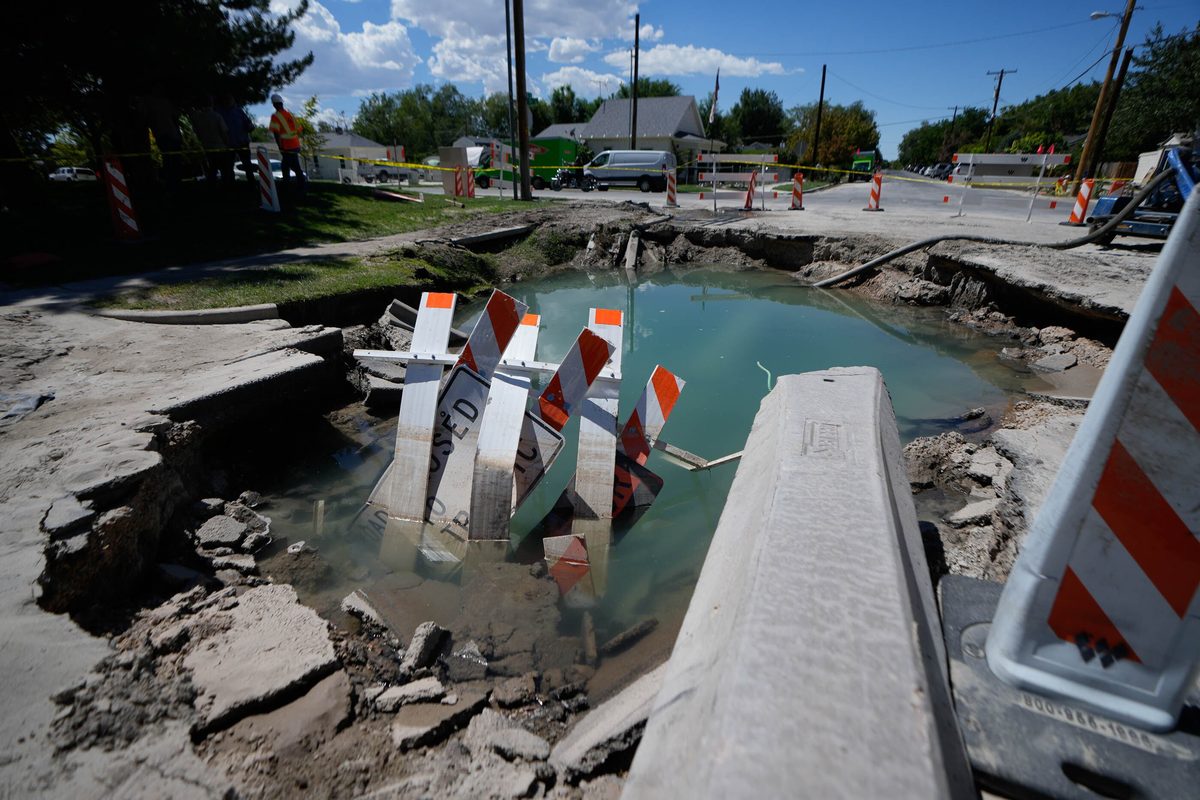
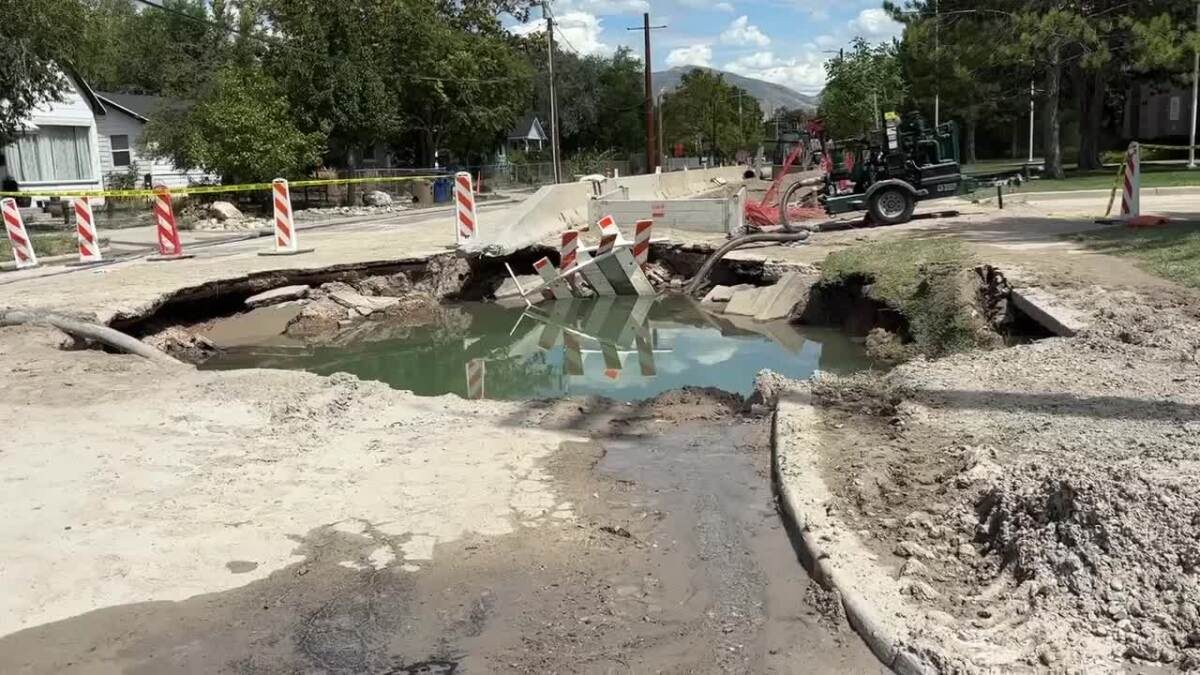
A month after a broken 20-inch water main sent floodwater through basements in Salt Lake City's Poplar Grove neighborhood, about 15 families still can't go home. Four homes are unlivable. One resident's basement filled with six feet of water.

Now the city and the Utah Department of Transportation are drafting an emergency plan to get displaced residents back into housing. The sticking point is who pays. The city owns the pipe, but crews from both the city and UDOT were working nearby when it burst.

Why it matters

If liability stays unresolved, roughly 15 west-side families face winter without homes and no timeline for compensation.

Questions about this story

Free account needed to ask — your question is kept and asked for you right after sign-up. Answers are public.

No questions yet — be the first to ask.

Key Indicators

15
Homes flooded by the water main break
In the Poplar Grove neighborhood near 500 South and 1100 West.
4
Homes still unlivable a month later
Per the Westside Coalition, which is organizing relief.
$100K
Raised for similar 2024 Jordan Meadows flood relief
Mostly from the Larry H. & Gail Miller Family Foundation.
6 ft
Water depth in the worst-hit basements
Reported by displaced resident Willi Graham.

Voices

Curated perspectives — historical figures and your fellow readers.

Ever wondered what historical figures would say about today's headlines?

Sign up to generate historical perspectives on this story.

People Involved

Organizations Involved

Timeline

August 2025 September 2025

3 events Latest: September 17th, 2025 · 1 year ago
  1. Salt Lake City and UDOT craft emergency plan

    Latest Government Action

    The city and the Utah Department of Transportation begin drafting a plan to help residents still displaced a month after the flood.

  2. Westside Coalition launches relief fund

    Community Response

    The crowdfunding effort seeks to cover costs insurance may not pay, offering short-term relief to displaced families.

  3. Water main breaks in Poplar Grove

    Infrastructure Failure

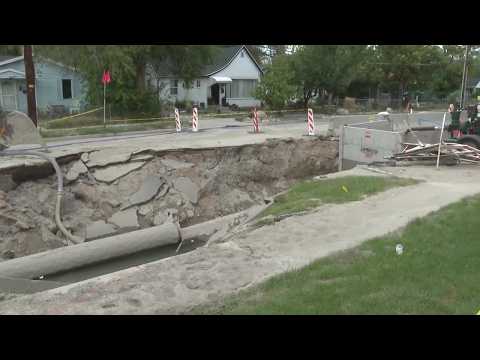
    A 20-inch pipe burst near 500 South and 1100 West, flooding about 15 homes with up to six feet of water.

Scenarios

1

City accepts liability and compensates residents

Possible Resolves by Q1 2026

Discussed by: Salt Lake City risk management statements; city's investigation process

The investigation finds the water main failed due to age or corrosion, and the city formally accepts responsibility. Residents file claims through the city's risk management division and receive payments to cover repairs and temporary housing. Most families return home by early 2026.

2

Investigation drags, families wait through winter

Likely Resolves by Q2 2026

Discussed by: Westside Coalition spokesman Justice Morath; displaced residents

The cause of the break remains unclear for months. City and UDOT each point to the other's nearby work. Insurance claims lag, and several families stay displaced into 2026. The Westside Coalition fund runs out without covering major repairs.

3

UDOT found partially responsible for the break

Unlikely Resolves by Q2 2026

Discussed by: Neighborhood residents; Westside Coalition organizing efforts

The investigation concludes the UDOT bridge project's vibration or excavation contributed to the pipe failure. UDOT pays a share of damages, setting a precedent for how state highway projects interact with city water infrastructure. A precedent could affect how future construction contracts account for nearby utilities.

Historical Context

2 moments from history that rhyme with this story — and how they unfolded.

May-June 1983

Salt Lake City's 1983 flood emergency

Record spring runoff from a heavy snowpack sent the Jordan River and City Creek over their banks. State Street became a temporary river as crews laid sandbags and built channels to protect downtown.

Then

City diverted floodwater through downtown streets, avoiding catastrophic damage to buildings.

Now

Triggered long-term investment in flood control infrastructure across the valley.

Why this matters now

Shows how Salt Lake City has historically responded to flooding with emergency action first, permanent infrastructure fixes later.

October 2024

Jordan Meadows flood (October 2024)

Salt Lake City experienced its second-wettest day on record. Rainfall flooded the Jordan Meadows neighborhood, and the Westside Coalition launched a crowdfunding effort that raised more than $100,000, mostly from the Larry H. & Gail Miller Family Foundation.

Then

Affected families received short-term relief from the fund.

Now

Built a template for community-led flood relief in the city's west side.

Why this matters now

Direct precedent: the same coalition, same fundraising model, and same west-side neighborhoods are involved in the current water main recovery.

Sources

(3)