

Pull to refresh
Logo
Salt Lake City tightens developer tax breaks

Salt Lake City tightens developer tax breaks

Rule Changes Salt Lake City, UT local

The Community Reinvestment Agency cuts maximum reimbursements and ends sustainability waivers after the Silo Park fight

Overview

Updated 1 hour ago

Developers seeking tax rebates from Salt Lake City will get less of their new property tax revenue back, and fewer ways around city rules. The Community Reinvestment Agency board voted 5-0 to lower the maximum reimbursement from 90% to 80% of the new tax revenue a project generates, halve the bonus each public benefit earns, and require every project to meet the agency's sustainability and public art policies.

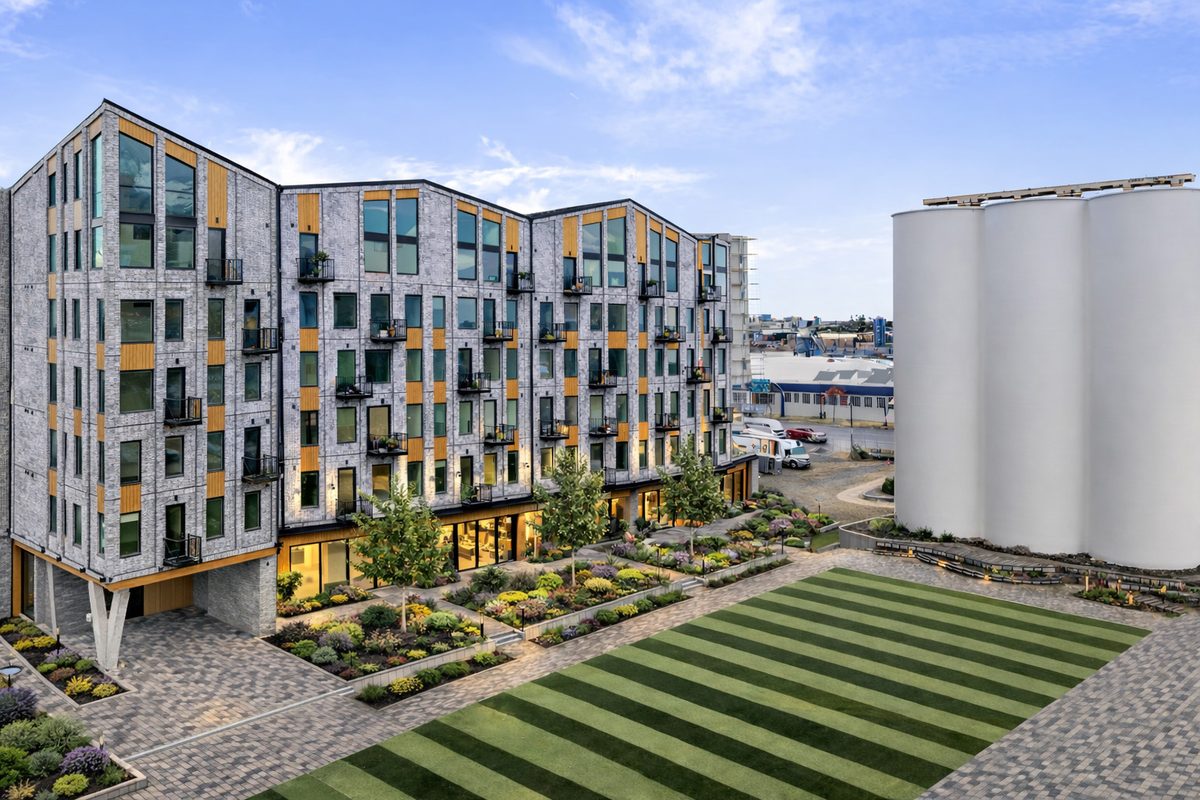
The vote follows friction over the Silo Park project in the Granary District, which sought an exception to the sustainability rules after construction had begun. Council members who pushed the changes said the new rules make eligibility clear upfront and tie taxpayer money to conditions developers agree to in advance.

Why it matters

The change cuts what developers can claim back and ends the practice of granting sustainability waivers after construction starts.

Last Monday's email for Salt Lake City, UT

Sent Nov 16. It carried:

Get next Monday's: one short email a week. Free. Unsubscribe in one click.

Questions about this story

Free account needed to ask — your question is kept and asked for you right after sign-up. Answers are public.

No questions yet — be the first to ask.

Key Indicators

80%
Maximum tax reimbursement
Down from 90% of the new tax revenue a project generates.
60%
Base reimbursement rate
Unchanged; developers earn boosts above it through public benefits.
5%
Boost per public benefit
Halved from 10%; now takes four benefits to reach the cap.
15 years
Term cap on all tools
Uniform limit replaces negotiated HTRZ terms and separate Project Area and Single Property caps.

Voices

Curated perspectives — historical figures and your fellow readers.

Sign up to generate historical perspectives on this story.

People Involved

Organizations Involved

Timeline

2021 November 2026

5 events Latest: Today
Tap a bar to jump to that date
  1. CRA board tightens reimbursement rules

    Today Rule Change

    The board votes 5-0 to lower the maximum reimbursement to 80%, halve public-benefit boosts to 5% each, cap all tools at 15 years, and require sustainability and public art compliance.

  2. Council approves adjusted Silo Park tax deal

    Decision

    The council approves an adjusted tax increment deal for Silo Park after first objecting to the project's request to skip sustainability rules.

  3. Salt Lake City starts using HTRZ

    Policy

    The CRA adopts the state tool and begins directing tax increment to areas around transit stops.

  4. Utah Legislature creates the HTRZ program

    Legislation

    State lawmakers authorize cities to use tax increment to fund growth near public transit stations.

Scenarios

1

New caps hold as development pipeline adjusts

Likely Resolves by Nov 16, 2027

Discussed by: Building Salt Lake; council members who backed the changes

The 80% cap and no-waiver rule take effect without challenge, and developers seeking tax increment simply factor the lower reimbursement into their pro formas. Council members who supported the changes said the rules would give developers clarity upfront.

2

A developer sues over the new terms

Unlikely Resolves by May 16, 2028

Discussed by: Development-industry observers; no named plaintiff has emerged

A developer whose tax increment deal is affected by the lower cap or the new no-waiver rule challenges the changes in court, arguing the agency cannot retroactively alter terms or breached an existing agreement. The city would have to defend the policy in state court.

3

City tightens further or expands requirements

Possible Resolves by Nov 16, 2028

Discussed by: Council members who backed the changes; no formal proposal yet

After seeing how the first projects fare under the new rules, the board adds further conditions or reduces the caps again. The vote capped a review of six to eight months, and the board could revisit the tools if projects test the edges of the policy.

Historical Context

3 moments from history that rhyme with this story — and how they unfolded.

2026

Silo Park sustainability exception fight (2026)

The Silo Park project in the Granary District sought an exception to the CRA's sustainability rules after construction had already begun. Council members initially balked at the request, and the city later approved an adjusted tax increment deal.

Then

Silo Park received an adjusted deal, but the dispute exposed how the agency's waiver process worked.

Now

The episode drove the November 2026 change requiring all projects to comply with sustainability and public art policies, with no waivers for projects already under construction.

Why this matters now

The Silo Park fight is the direct precedent for the new mandatory-compliance rule and the no-waiver provision.

2025

Pickle building demolition and CRA fund reduction (2025)

The CRA reduced the Pickle building's tax increment funds after a demolition snafu at the project.

Then

The agency cut funding for a project whose developer had run into problems.

Now

It reinforced the board's willingness to trim or withdraw tax increment when deals go sideways, a stance that informed the 2026 tightening.

Why this matters now

It shows the agency was already moving toward stricter enforcement of deal terms before the November 2026 vote.

2021

Utah creates the HTRZ program (2021)

The Utah Legislature created Housing and Transit Reinvestment Zones, letting cities use tax increment to fund growth near transit stations. Salt Lake City's CRA began using the tool in 2023.

Then

Cities gained a new state-sanctioned way to subsidize development around transit.

Now

Salt Lake City built two active HTRZs, around the Salt Lake Central and 900 South stops, and is now tightening the terms on which those subsidies are granted.

Why this matters now

The HTRZ tool being tightened in November 2026 traces directly to this 2021 state authorization.

Sources

(1)