


Pull to refresh
Logo
Supreme Court ends Hastings descendants' fight over law school name change

Supreme Court ends Hastings descendants' fight over law school name change

Rule Changes San Francisco, CA local

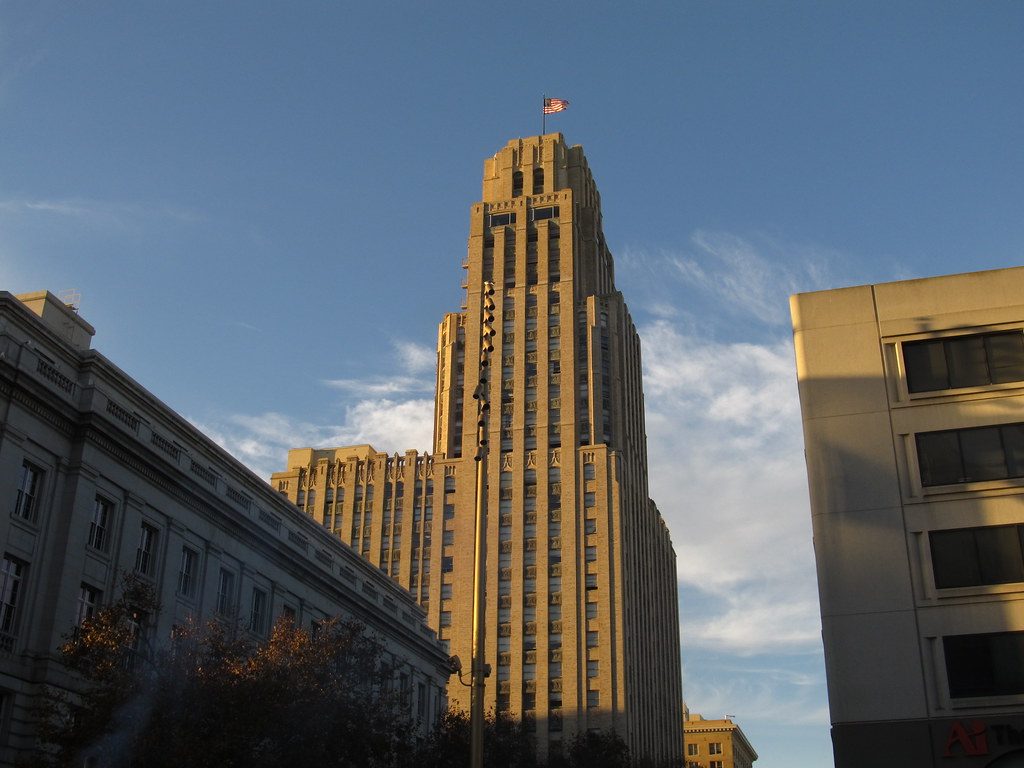
UC Law San Francisco keeps its name after courts rule the 1878 'forever' statute was not a binding contract

Yesterday: U.S. Supreme Court denies certiorari

Overview

Updated 1 hour ago

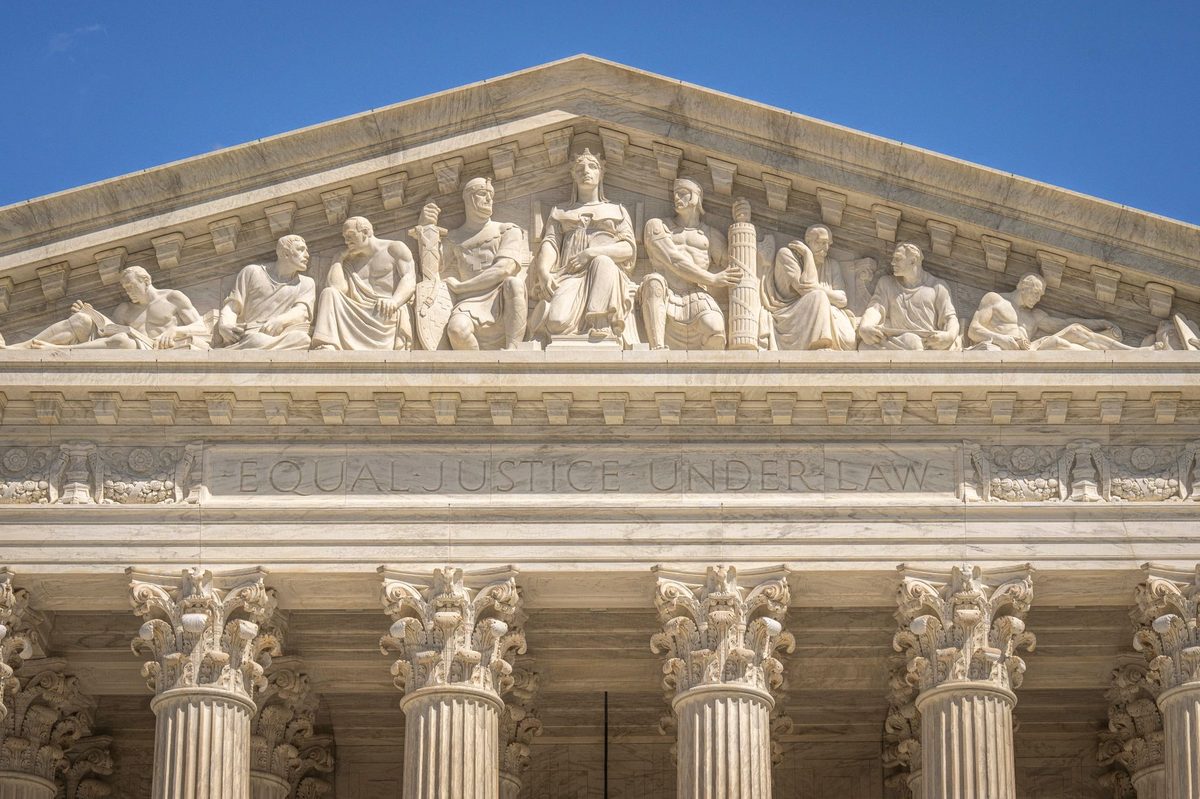
The U.S. Supreme Court on Monday declined to hear the challenge by six descendants of Serranus Hastings to the renaming of San Francisco's 148-year-old law school. The one-sentence order, with no noted dissents, closes a four-year legal battle.

The fight turned on a single question: whether California's 1878 law, which said the school "shall forever be known" as Hastings College of the Law, was a binding contract. Courts at every level said no — it was an ordinary statute, repealable by a later one.

The ruling lands as public institutions weigh name changes over founders with racist records. It confirms that "forever" in a founding statute does not bind future legislatures.

Why it matters

The ruling confirms "forever" in a founding statute doesn't bind future legislatures, clearing the path for public institutions to rename over contested legacies.

Monday: what changed in San Francisco, CA

One short email a week with the openings, closings, permits and council votes we covered. Free. Unsubscribe in one click.

Questions about this story

Free account needed to ask — your question is kept and asked for you right after sign-up. Answers are public.

No questions yet — be the first to ask.

Key Indicators

148
Years the school carried Hastings' name
The school bore the Hastings name from 1878 until the 2023 change.
$100K
Hastings' founding gift
Serranus Hastings paid $100,000 to establish the school in 1878.
$1.7M
Damages descendants sought
The plaintiffs claimed the original $100,000 plus interest.
0
Dissents in Supreme Court order
The denial came in a one-sentence order with no noted dissents.

Voices

Curated perspectives — historical figures and your fellow readers.

Ever wondered what historical figures would say about today's headlines?

Sign up to generate historical perspectives on this story.

People Involved

Organizations Involved

Timeline

1860s October 2026

8 events Latest: Yesterday
Tap a bar to jump to that date
  1. Hastings' militia kills Native Americans in Mendocino County

    Historical Event

    Troops under Serranus Hastings' command slaughtered hundreds of Native Americans during the Round Valley-era massacres.

Scenarios

1

Name change stands as legal fight concludes

Likely Resolves by Oct 19, 2027

Discussed by: Law school officials and the Court's final order

With certiorari denied, no court will revisit the renaming. The school continues as UC College of the Law, San Francisco, and the case closes. The descendants retain no state-court avenue to restore the name.

2

Descendants press a new federal constitutional challenge

Unlikely Resolves by Apr 19, 2027

Discussed by: Attorney Gregory Michael, who raised federal claims in filings

Michael's filings invoked constitutional limits on legislative action. The descendants could file a new federal suit arguing the renaming violates due process or contract rights. The Supreme Court's denial makes success unlikely, and courts would likely find standing and merits barriers.

3

Law school launches reconciliation efforts with Native California tribes

Possible Resolves by Oct 19, 2027

Discussed by: Observers noting the school's stated focus on legal education

With the case closed, the school could formalize programs connected to the Round Valley tribes whose ancestors Hastings' militia killed. This would follow moves by other universities renaming buildings and reckoning with founders' legacies, though no program has been announced.

Historical Context

3 moments from history that rhyme with this story — and how they unfolded.

February 1819

Dartmouth College v. Woodward (1819)

The U.S. Supreme Court held that Dartmouth College's royal charter was a contract protected by the Constitution, preventing New Hampshire from taking over the college. Chief Justice John Marshall wrote the unanimous decision.

Then

Dartmouth remained a private institution and the decision shielded private charters from state interference.

Now

Established that charters and contracts are protected by the Contract Clause, while leaving states room to reserve powers in their own grants.

Why this matters now

The Hastings descendants argued the 1878 law was a binding contract like the Dartmouth charter. Courts distinguished the cases, ruling the 1878 law was an ordinary statute, not a contract, so the state could repeal it.

February 2017

Yale renames Calhoun College (2017)

Yale University renamed Calhoun College, named for pro-slavery statesman John C. Calhoun, to Grace Hopper College after years of student protests and a 2016 report on the college's history.

Then

The college took its new name immediately; some alumni objected.

Now

Set a precedent for universities removing names of figures tied to slavery and racism.

Why this matters now

Like Hastings, Calhoun's legacy as a defender of slavery led to renaming despite institutional ties. Hastings' case added a legal twist: the name was mandated by a state statute claiming permanence.

June 2023

Fort Bragg renamed Fort Liberty (2023)

The U.S. Army renamed Fort Bragg, the North Carolina installation named for Confederate General Braxton Bragg, to Fort Liberty. It was among nine Army posts renamed by a federal commission removing Confederate names.

Then

The renaming was completed and signage changed.

Now

Congress mandated the changes over a presidential veto, showing federal willingness to erase Confederate names.

Why this matters now

Part of the same wave of renaming public institutions over contested legacies. Hastings' case stands apart because a state statute explicitly promised the name "forever."

Sources

(4)