
Pull to refresh
Logo
California bans speculative 'ghost ticket' sales in new law

California bans speculative 'ghost ticket' sales in new law

Rule Changes San Francisco, CA local

The law targets sellers who list tickets they don't own, but late amendments created exemptions for resale marketplaces.

Yesterday: Newsom signs AB 1349 into law

Overview

Updated 1 hour ago

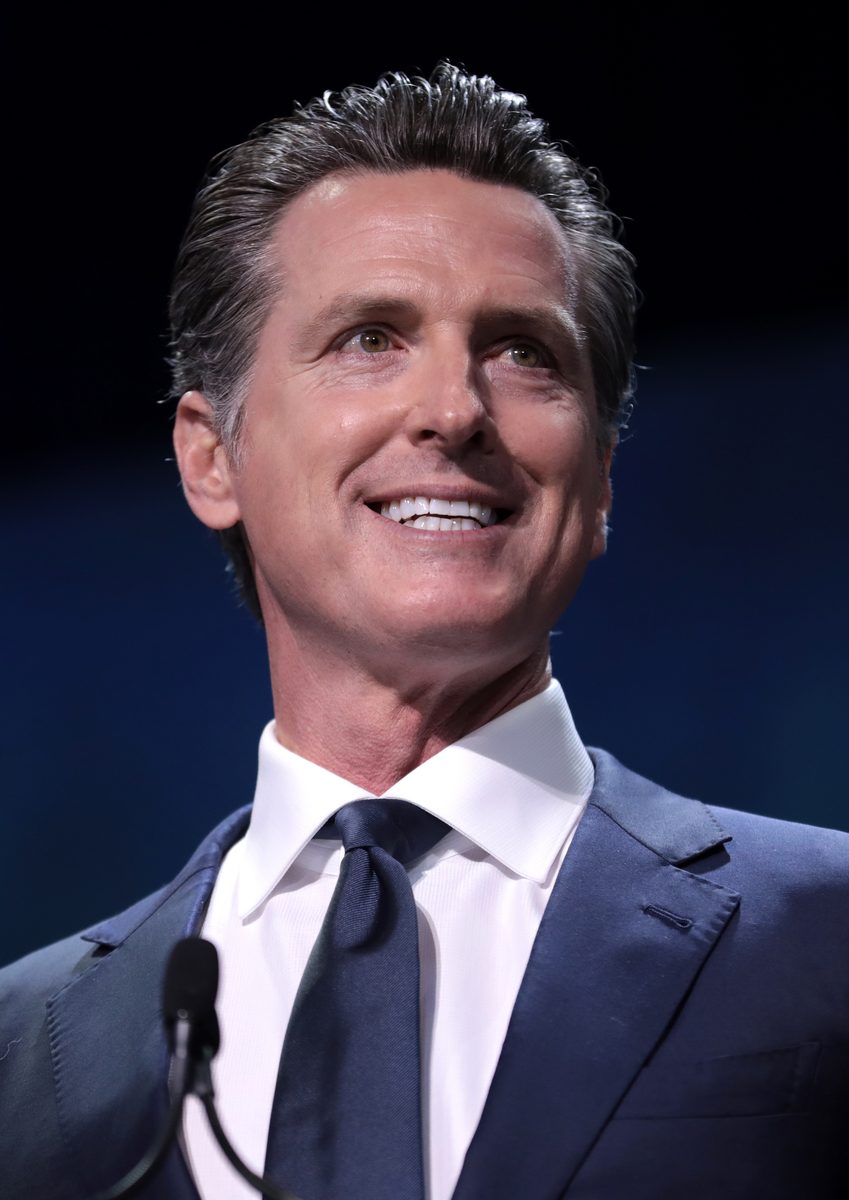
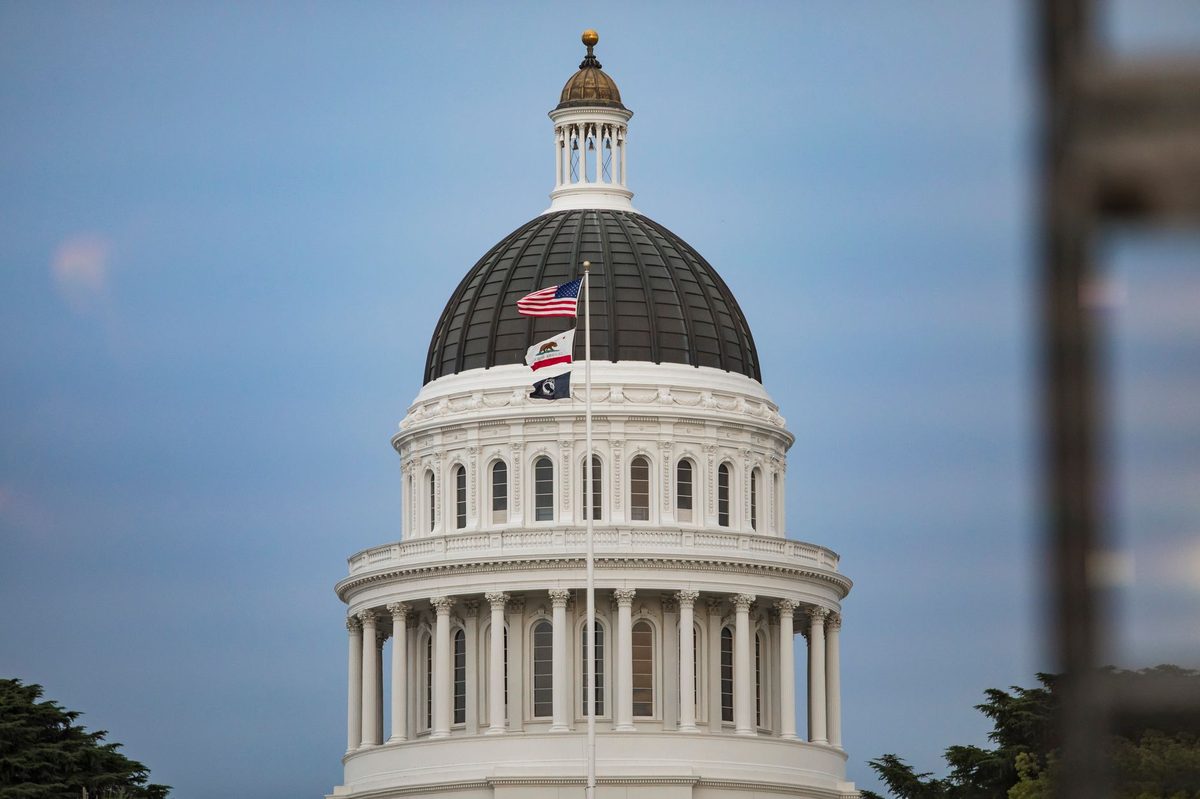
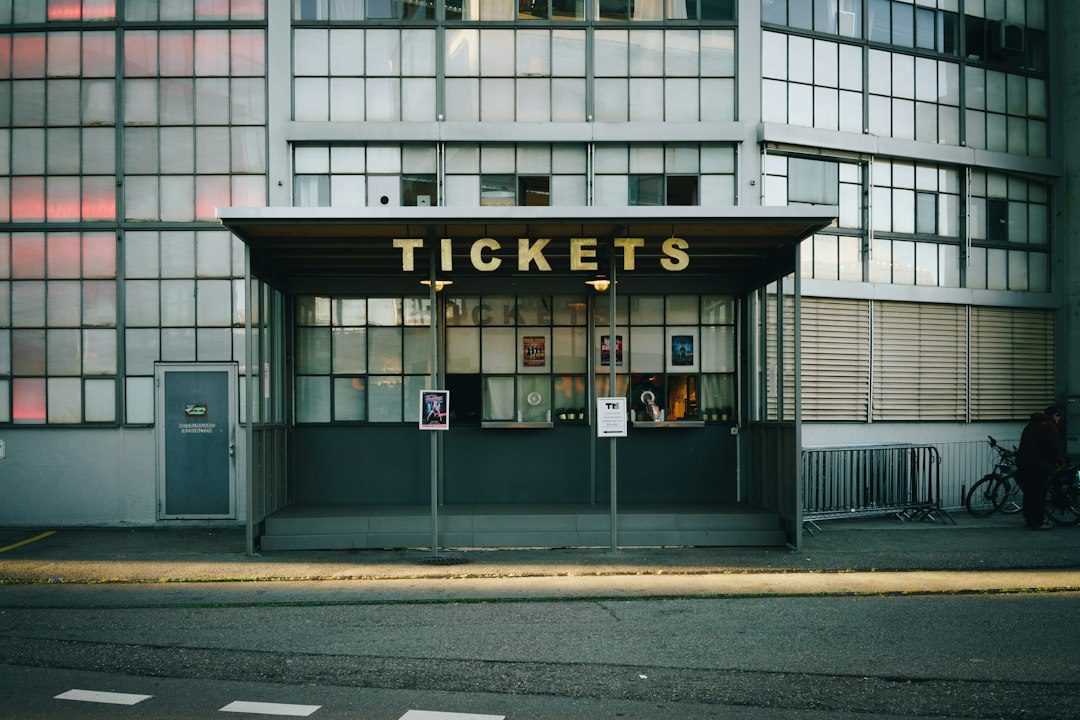
California Governor Gavin Newsom signed a law banning the sale of concert and sports tickets that sellers don't actually own, a practice known as speculative ticketing or 'ghost tickets.' The law, Assembly Bill 1349, also prohibits using software to bypass venue limits and requires resale platforms to take reasonable steps to prevent such listings.

The fight pitted Live Nation against StubHub, with the final version containing carve-outs for professional sports teams and resale marketplaces. Newsom himself flagged the exemptions as 'uneven' and encouraged the Legislature to revisit them in 2027. Violations can carry misdemeanor charges, but independent venues say the law now exposes them to liability while letting platforms like StubHub off the hook.

Why it matters

If you buy a ticket in California, this law decides whether that listing was legitimate—or a scam that leaves you without entry.

Questions about this story

Free account needed to ask — your question is kept and asked for you right after sign-up. Answers are public.

No questions yet — be the first to ask.

Key Indicators

$4.4M
StubHub lobbying spend
Amount StubHub spent influencing California legislation over the two-year session.
1
Speculative ticket ban signed
AB 1349 is the first California law to explicitly prohibit ghost ticket sales.

Voices

Curated perspectives — historical figures and your fellow readers.

Ever wondered what historical figures would say about today's headlines?

Sign up to generate historical perspectives on this story.

People Involved

Organizations Involved

Timeline

January 2026 September 2026

6 events Latest: Yesterday
Tap a bar to jump to that date
  1. NIVA reverses, urges veto of amended AB 1349

    Lobbying

    After late amendments add exemptions for sports teams and resale marketplaces, NIVA withdraws support and asks Newsom to veto.

  2. Price cap bill stalls in Senate Appropriations

    Legislation

    A separate proposal to cap resale markup at 10% fails to advance, leaving AB 1349 as the main ticket bill.

  3. Author cites Hollywood Bowl ticket problem in hearing

    Testimony

    Assemblymember Isaac Bryan describes finding expensive ghost tickets listed before official sale dates.

  4. NIVA helps draft AB 1349

    Legislation

    National Independent Venue Association says it is 'proud to help architect' AB 1349 and a related price-cap bill.

  5. Live Nation voices support for anti-speculative ticketing bill

    Statement

    Live Nation publicly backs early version of AB 1349, arguing fans need protection from fake listings.

Scenarios

1

California Legislature closes StubHub loophole in 2027

Likely Resolves by End of 2027

Discussed by: Governor Newsom's signing statement; NIVA and consumer advocates

Newsom specifically invited Isaac Bryan to work with stakeholders to refine the exemptions. If Bryan introduces a follow-up bill in 2027 that removes the safe harbor for resale marketplaces, it could pass with renewed support from Live Nation and independent venues. This scenario would make platforms like StubHub directly liable for speculative listings they facilitate.

2

AB 1349 stands without legislative changes

Possible Resolves by End of 2027

Discussed by: Market analysts; StubHub lobbyists

If StubHub's $4.4 million lobbying investment holds and lawmakers decline to revisit the measure, the law remains as signed. Enforcement begins against speculative sellers who are not covered by exemptions, while professional sports teams and resale marketplaces continue as before. NIVA and other critics would likely challenge enforcement in court or through regulatory interpretation.

3

Court strikes down key provision on First Amendment grounds

Unlikely Resolves by Q2 2028

Discussed by: Legal observers, ticket industry lawyers

Some resale platforms may argue the law's prohibition on speculative listings violates free speech protections for advertising. A court challenge could delay implementation or invalidate parts of the law. This scenario appears less likely because state regulation of commercial transactions generally receives less First Amendment scrutiny, but a case filed in state or federal court could force a ruling.

Historical Context

2 moments from history that rhyme with this story — and how they unfolded.

December 2016

BOTS Act of 2016

Congress passed the Better Online Ticket Sales (BOTS) Act, making it illegal to use bots to bypass ticket limits or security measures on ticket purchases. The law aimed to give consumers a fair shot at face-value tickets for high-demand events.

Then

The Federal Trade Commission gained authority to bring civil penalties against bot users. Enforcement, however, has been limited and rarely public.

Now

The law set a federal precedent for regulating ticket-buying technology but did not address speculative resale, leaving a gap that California's AB 1349 now targets.

Why this matters now

The BOTS Act established the baseline for federal ticket regulation; AB 1349 extends that logic to the secondary market by banning ghost sales entirely.

November 2022

Taylor Swift Ticketmaster fiasco (November 2022)

Ticketmaster's handling of pre-sales for Taylor Swift's Eras Tour crashed under demand, leaving millions of fans without tickets while resale listings appeared almost instantly. The incident prompted congressional hearings and public outcry over the primary-secondary ticket market's opacity.

Then

Ticketmaster faced congressional scrutiny but faced no major regulatory action at the federal level.

Now

The episode intensified state-level activity: several states introduced bills addressing resale transparency, speculative listing, and fee disclosure. California's AB 1349 is a direct descendant of this push.

Why this matters now

The Swift fiasco demonstrated how ghost tickets and opaque resale practices hurt consumers, providing political momentum for laws like AB 1349.

Sources

(3)

More from San Francisco, CA

Openings, permits and council decisions in San Francisco, CA, in your inbox every Monday.