




Pull to refresh
Logo
SFPD pulls detectives from investigations to staff events, protests

SFPD pulls detectives from investigations to staff events, protests

Force in Play San Francisco, CA local

Officer shortage forces inspector reassignment, raising concerns about crime casework

Today: SF Standard reports detective reassignment

Overview

Updated 1 hour ago

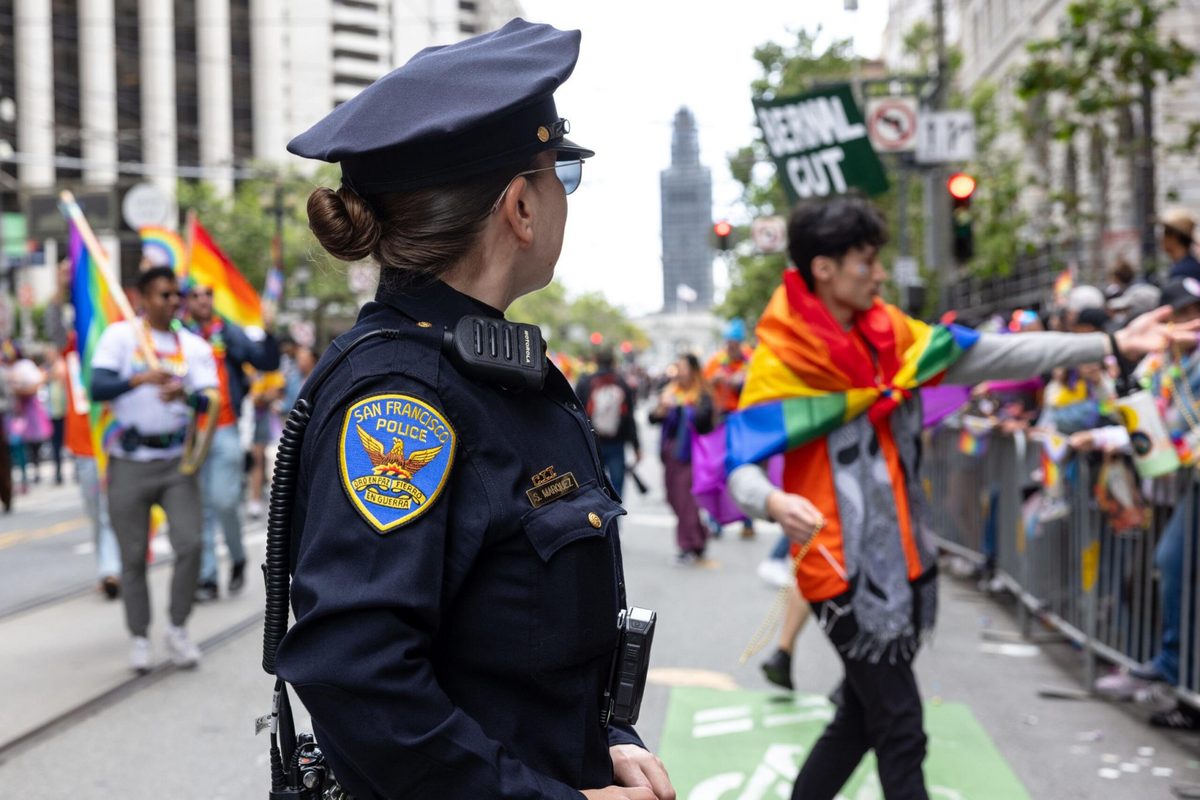
San Francisco's burglary and robbery detectives are being pulled off their cases to staff parades, protests, and tech conferences. The police department, short about 500 officers, has moved Investigations Bureau inspectors onto a "platoon schedule" that covers special events.

The shift means fewer detectives working weekday hours to meet judges, get warrants signed, and interview witnesses. Officers warn the reassignment will stall property crime investigations even as the city posts crime at historic lows.

Why it matters

If SFPD detectives can't work their cases, San Francisco property crime investigations slow down — even as crime sits at historic lows.

Questions about this story

Free account needed to ask — your question is kept and asked for you right after sign-up. Answers are public.

No questions yet — be the first to ask.

Key Indicators

~500
Officers short of recommended staffing
SFPD is short about 500 officers from its recommended staffing levels, following the 2020 pandemic.
30%
Citywide crime decrease
Crime down 30% citywide per Mayor Daniel Lurie, at its lowest point in decades.
3,375
Entry-level SFPD applications in 2025
Over 40% increase in entry-level applications compared to 2024 under the Rebuilding the Ranks initiative.

Voices

Curated perspectives — historical figures and your fellow readers.

Ever wondered what historical figures would say about today's headlines?

Sign up to generate historical perspectives on this story.

People Involved

Organizations Involved

Timeline

May 2025 September 2026

3 events Latest: Today
  1. SF Standard reports detective reassignment

    Today Media report

    Report reveals inspectors staffing Dreamforce and Kings in the Streets; officers warn of investigation impact.

  2. Union discusses Investigations Bureau schedule change

    Union meeting

    SFPD tells POA it will move inspectors to platoon schedule; union assured no impact on investigations.

  3. Mayor launches Rebuilding the Ranks plan

    Policy

    Mayor Daniel Lurie launches plan to address SFPD and sheriff staffing shortages.

Scenarios

1

SFPD scales back detective reassignment after internal backlash

Possible Resolves by Q1 2027

Discussed by: SF Standard reporting internal officer complaints and POA statements

Grumbling from affected inspectors grows into a formal union grievance. The POA pressures the department to reverse course, citing broken promises about limited use of investigators at events. Public scrutiny and complaints about stalled cases push the department to scale back the platoon schedule.

2

Detective reassignment continues as staffing shortfall persists

Likely Resolves by Q3 2027

Discussed by: SFPD staffing reports showing continued officer shortage

The officer shortage continues through 2027 as hiring hasn't closed the gap. Inspectors remain on the platoon schedule, staffing events and covering for patrol shortages. Property crime investigations slow, but the department prioritizes event coverage and patrol relief.

3

Hiring surge restores staffing, detectives return to investigations

Unlikely Resolves by End of 2027

Discussed by: Mayor's office Rebuilding the Ranks staffing projections

The hiring surge pays off faster than expected. Academy graduates fill ranks to near-recommended levels, and the department phases out the inspector-to-event reassignment. Investigations Bureau inspectors return to full-time casework.

Historical Context

2 moments from history that rhyme with this story — and how they unfolded.

1975-1977

NYPD during the 1975 fiscal crisis (1975)

New York City nearly went bankrupt in 1975. To close budget gaps, the city laid off about 5,000 police officers, shrinking the NYPD drastically. The department cut specialized units and reduced investigative capacity to maintain basic patrol presence.

Then

Crime rose sharply in the late 1970s as police presence decreased and response times lengthened.

Now

The experience shaped NYPD budgeting and staffing strategy for decades and became a cautionary tale about police cuts.

Why this matters now

Shows the tradeoff cities face when departments are forced to choose between investigative capacity and visible patrol presence.

2020-2022

Post-2020 national police staffing exodus (2020-2022)

Following the murder of George Floyd and the COVID-19 pandemic, police departments nationwide saw record retirements and resignations. Cities including Minneapolis, Seattle, and Portland lost hundreds of officers each, forcing departments to reassign specialists to patrol and cancel some functions.

Then

Departments reassigned officers from specialized units, faced longer response times, and some limited response to property crime calls.

Now

Many cities launched recruitment drives; several are only now beginning to recover staffing levels. The SFPD's shortage is part of this national trend.

Why this matters now

The SFPD's current detective reassignment mirrors decisions other departments made during the post-2020 exodus, showing a common pattern when staffing collapses.

Sources

(3)

More from San Francisco, CA

Openings, permits and council decisions in San Francisco, CA, in your inbox every Monday.