


Pull to refresh
Logo
SFPD commits to overhauling rape investigations after report of low clearance rate

SFPD commits to overhauling rape investigations after report of low clearance rate

Rule Changes San Francisco, CA local

Checklists, monthly reviews and independent audits promised at packed City Hall hearing

Today: SFPD announces major reforms

Overview

Updated 1 hour ago

San Francisco police leaders committed Thursday to overhauling how the department investigates sexual assault, three months after a news report found the SFPD cleared just 14% of rape cases in 2025 — half the national average and the lowest among large California counties over five years.

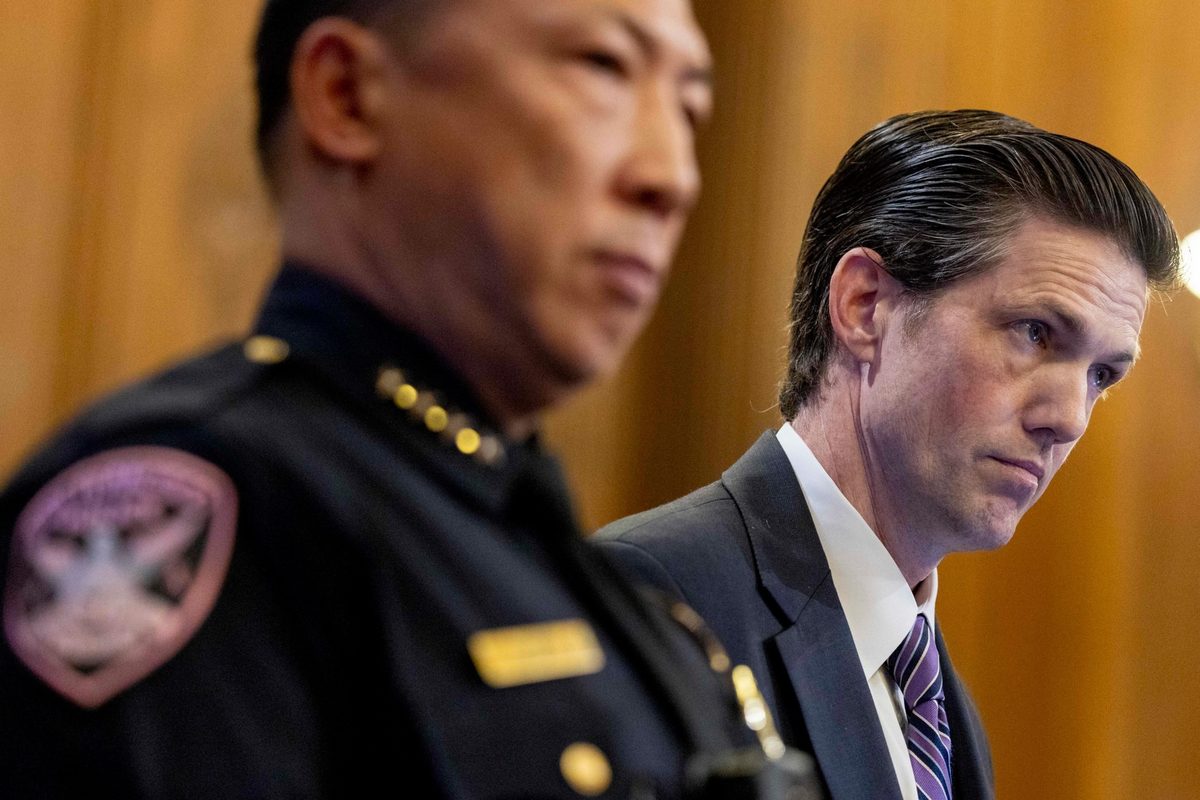
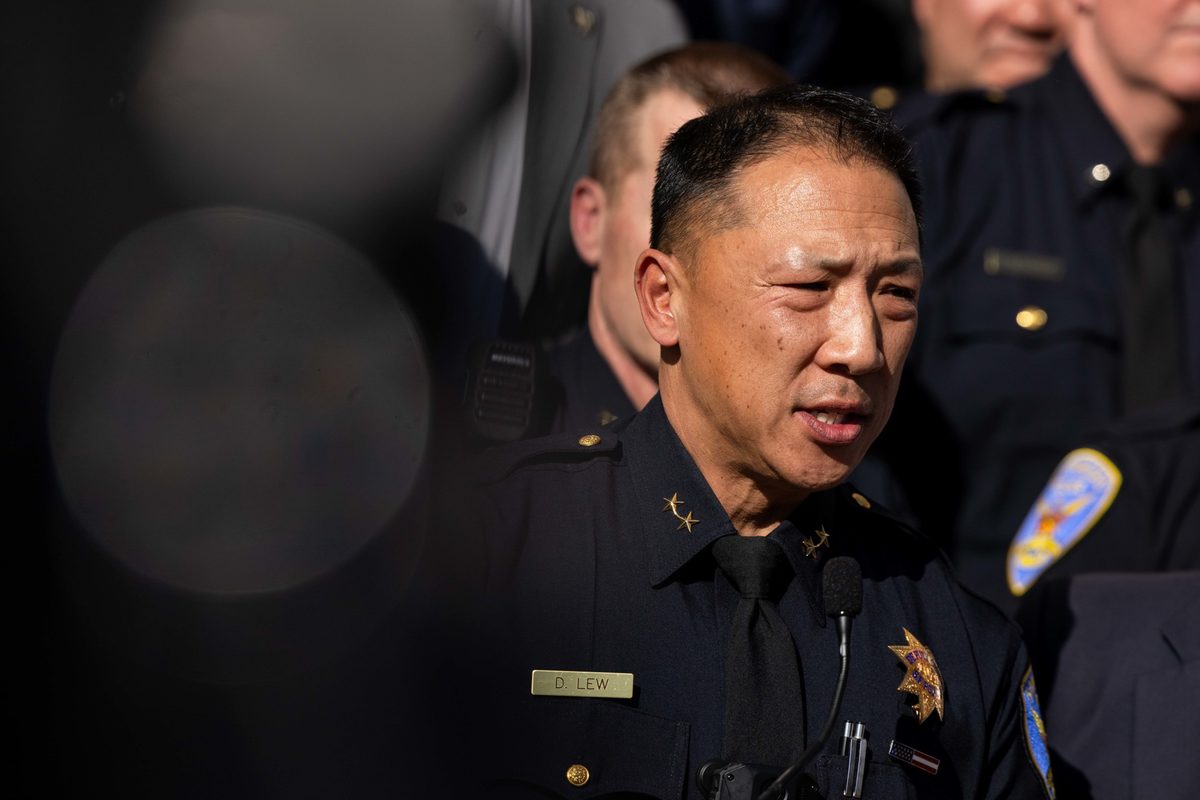
At a three-hour City Hall hearing, Chief Derrick Lew and Special Victims Unit Captain William Toomey agreed to adopt standardized checklists before shelving cases, monthly supervisor reviews, and independent audits of closed cases. The changes follow a July investigation by The Standard and a series of sexual assault scandals in the city.

Why it matters

If reforms hold, San Francisco's rape survivors could see their cases actually investigated instead of shelved after invasive exams. If not, the systemic failure persists.

Monday: what changed in San Francisco, CA

One short email a week with the openings, closings, permits and council votes we covered. Free. Unsubscribe in one click.

Questions about this story

Free account needed to ask — your question is kept and asked for you right after sign-up. Answers are public.

No questions yet — be the first to ask.

Key Indicators

14%
Rape cases cleared by SFPD in 2025
Half the national average, lowest among large California counties.
78%
Cases labeled inactive in 2025
More than 300 victims underwent rape exams, and 78% of cases were shelved.
450
Victims served by Mayor's Office
Caseload that informed the reform recommendations.

Voices

Curated perspectives — historical figures and your fellow readers.

Ever wondered what historical figures would say about today's headlines?

Sign up to generate historical perspectives on this story.

People Involved

Organizations Involved

Timeline

July 2026 October 2026

3 events Latest: Today
  1. SFPD announces major reforms

    Today Policy

    Following the hearing, SFPD commits to standardized checklists, monthly supervisor reviews, and annual independent audits of sexual assault cases.

  2. City Hall hearing on rape investigations

    Hearing

    Nearly 100 people attend a three-hour hearing where Chief Lew and SVU Captain Toomey face questions. Mayor's office and SFPD present competing reform plans.

Scenarios

1

Reforms codified into SFPD policy

Likely Resolves by Q1 2027

Discussed by: Supervisor Myrna Melgar and the Mayor's Office for Victims' Rights

The Board of Supervisors passes a resolution asking the Police Commission to adopt the recommendations, and the commission does so by early 2027, making checklists, monthly reviews, and independent audits mandatory.

2

Clearance rate rises above 25% in 2027

Possible Resolves by Q1 2028

Discussed by: SFPD leadership

With new procedures in place, the SFPD's clearance rate for rape cases climbs to at least 25% in 2027, up from 14% in 2025, based on annual reporting.

3

Reforms stall without enforcement

Possible Resolves by End of 2027

Discussed by: Critics of the police department

The recommendations remain nonbinding and the Police Commission fails to act; the SFPD quietly abandons the promised checklists and reviews after initial implementation.

Historical Context

2 moments from history that rhyme with this story — and how they unfolded.

January 2002

Boston Globe's Spotlight investigation (2002)

The Boston Globe's Spotlight team published a series exposing decades of sexual abuse by Catholic priests and the church's cover-up. The investigation led to criminal charges, the resignation of Cardinal Law, and sweeping policy changes.

Then

The church implemented new protocols for reporting abuse and removed many priests.

Now

It sparked a worldwide reckoning with clerical abuse and inspired other news organizations to investigate institutions.

Why this matters now

Like The Standard's report, a news investigation revealed systemic failures and forced public officials to confront long-ignored misconduct.

October 2017

#MeToo movement (2017)

After decades of silence, women shared stories of sexual assault and harassment, leading to the downfall of powerful men across industries and a national conversation about accountability.

Then

Many institutions faced public pressure to reform policies and fire abusers.

Now

It changed workplace norms and led to new laws around sexual harassment and arbitration.

Why this matters now

Supervisor Melgar called the SFPD reckoning 'our little Me Too moment,' linking the local reform effort to a broader societal shift in how sexual misconduct is treated.

Sources

(2)