


Pull to refresh
Logo
Saudi Arabia and Türkiye sign 3,000 MW wind phase of ACWA Power renewable deal

Saudi Arabia and Türkiye sign 3,000 MW wind phase of ACWA Power renewable deal

Built World

The second half of a 5,000 MW Saudi-financed program adds wind, HVDC lines and battery storage to Türkiye's grid

Overview

Updated 2 hours ago

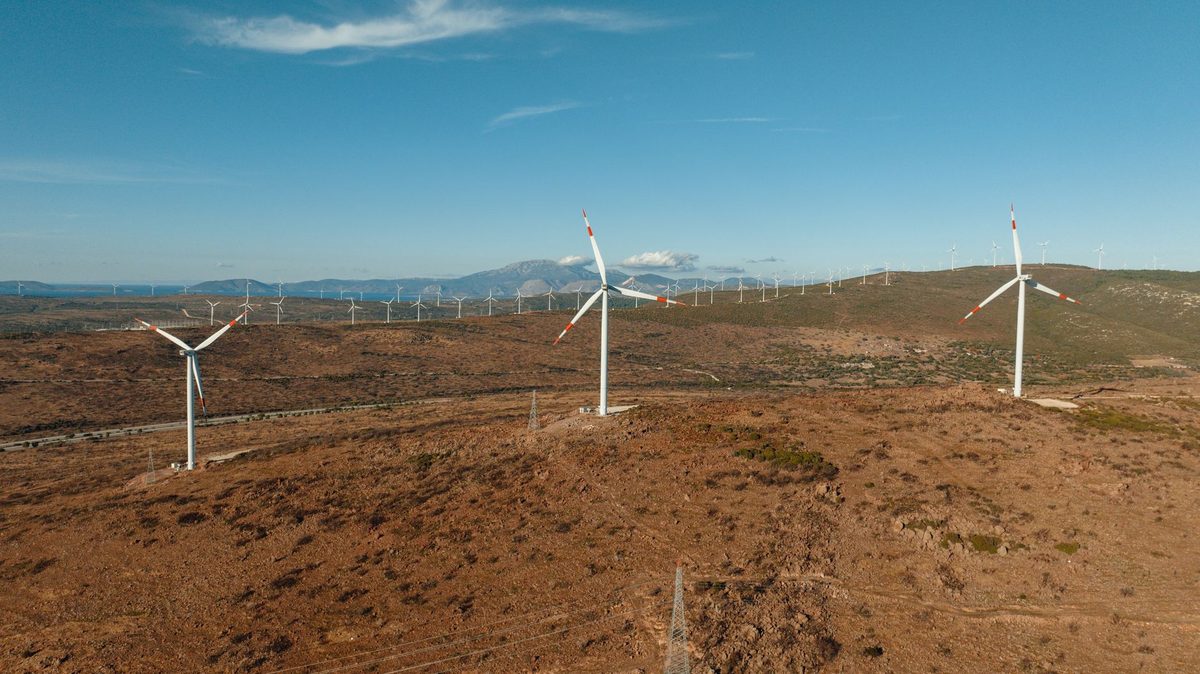
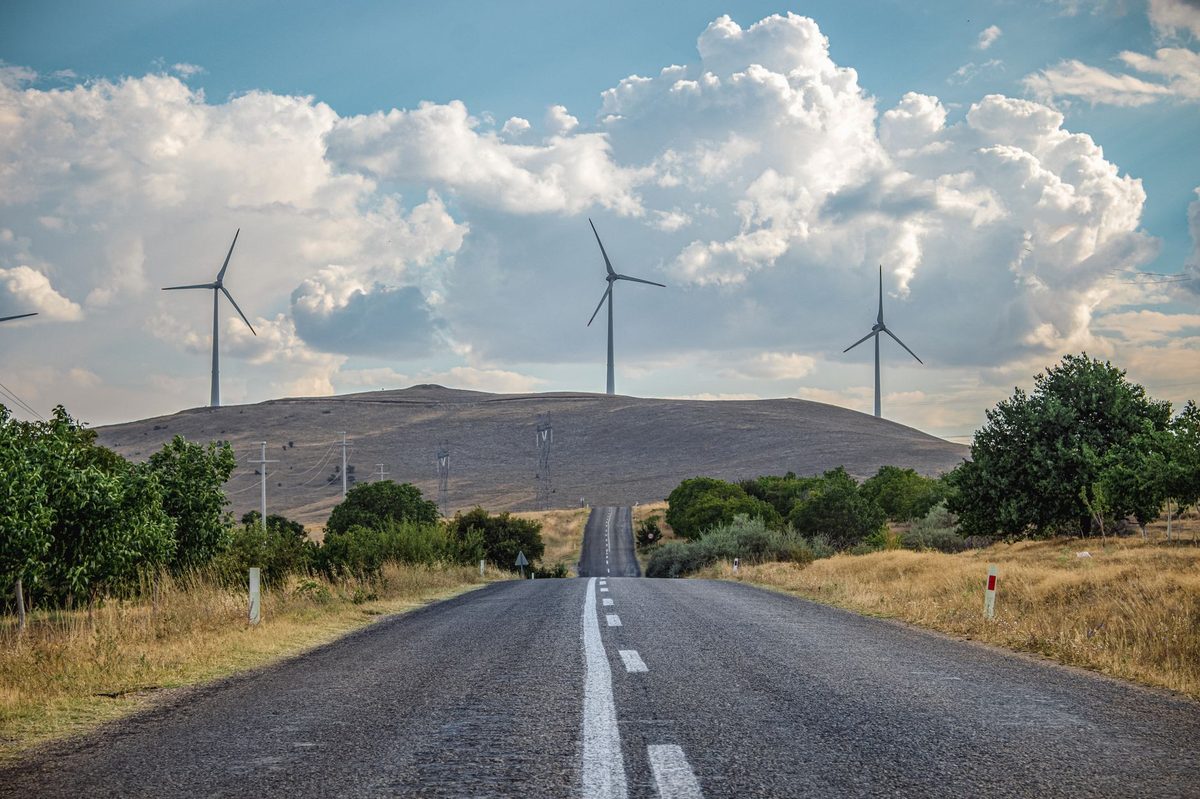
Saudi Arabia and Türkiye signed a memorandum of understanding at the COP31 climate summit in Antalya on November 10 to build 3,000 megawatts of wind power. The turbines are the second half of a 5,000-megawatt renewable program that Saudi utility ACWA Power will develop in Türkiye.

The first 2,000 megawatts are solar, split between the central provinces of Sivas and Karaman, with construction due to start in 2027. The wind phase adds high-voltage direct-current transmission lines and battery storage, equipment Türkiye needs to move variable output across a grid built for steadier generation.

Why it matters

Türkiye's government says it needs about 10,000 megawatts of new wind and solar a year; this single foreign-backed program covers half of one year's target.

Questions about this story

Free account needed to ask — your question is kept and asked for you right after sign-up. Answers are public.

No questions yet — be the first to ask.

Key Indicators

3,000 MW
Phase 2 wind capacity
New wind plants backed by battery storage and HVDC transmission, per the November 10 memorandum.
5,000 MW
Total two-phase program
Combined solar and wind capacity ACWA Power is designated to develop under the February 2026 agreement.
20%
Share of Türkiye's installed wind capacity
The 3,000 MW equals roughly one-fifth of Türkiye's existing wind fleet, according to the Turkish energy ministry.
2,000 MW
Phase 1 solar capacity
Split evenly between Sivas and the Taşeli area of Karaman; construction begins in 2027.
10,000 MW
Türkiye's annual wind and solar need
Average yearly addition the government says is required to hit its long-term energy targets.

Voices

Curated perspectives — historical figures and your fellow readers.

Sign up to generate historical perspectives on this story.

People Involved

Organizations Involved

Timeline

February 2026 November 2026

4 events Latest: Yesterday
Tap a bar to jump to that date
  1. Electricity cooperation memorandum signed at COP31

    Latest Agreement

    Prince Abdulaziz and Bayraktar sign in Antalya, advancing 3,000 MW of wind with HVDC transmission and battery storage.

  2. Saudi Arabia and Türkiye sign renewable energy framework

    Agreement

    The intergovernmental agreement in Riyadh sets out 5,000 MW of renewable projects in two phases, with ACWA Power as designated investor.

Scenarios

1

Wind phase reaches financial close and breaks ground

Possible Resolves by End of 2028

Discussed by: Turkish energy ministry statements and Construction Review's reporting on the 2027 solar start

ACWA Power secures financing and begins construction on the 3,000 MW wind phase, following the solar buildout that is scheduled to mobilize in 2027. The trigger is a project-level investment agreement and grid connection approval from Turkish authorities. This is the path the two governments describe, though neither has published a construction schedule for the wind phase.

2

Grid upgrades lag and the wind phase slips

Possible Resolves by End of 2029

Discussed by: Construction Review, which lists grid upgrades and an undisclosed Phase 2 schedule among the deal's key challenges

The wind plants depend on new high-voltage direct-current lines and battery storage. If transmission permitting or construction falls behind, the turbines cannot connect on schedule. Neither government has published a Phase 2 timetable, which makes slippage hard to rule out.

3

The program grows beyond 5,000 MW

Unlikely Resolves by End of 2027

Discussed by: No official has proposed expansion; this scenario tracks whether the partnership widens

Türkiye's stated need for 10,000 MW of new wind and solar a year is twice the size of this program. If the first two phases proceed smoothly, the two governments could add a third phase or new project categories. The trigger would be a new signed agreement, not a statement of interest.

Historical Context

2 moments from history that rhyme with this story — and how they unfolded.

2009-2014

Desertec Industrial Initiative (2009)

A consortium of European insurers, utilities and banks launched a plan to build solar plants in North Africa and transmit the power to Europe. It drew wide attention as a model for cross-border renewable trade.

Then

Founding partners began withdrawing within a few years as financing and political coordination proved difficult.

Now

The initiative shrank to a small advisory body, and the large-scale desert solar export it envisioned was never built.

Why this matters now

It shows that cross-border renewable projects fail on transmission, financing and political coordination rather than on turbine or panel technology, the same dependencies this deal carries.

2010-present

Akkuyu nuclear plant agreement (2010)

Türkiye and Russia signed an intergovernmental agreement for Russia's Rosatom to build and operate a four-reactor nuclear plant on Türkiye's Mediterranean coast, with construction beginning in 2018.

Then

The project became Türkiye's largest single foreign investment and a template for state-backed energy deals.

Now

Schedule slips and financing disputes have repeatedly pushed back completion dates.

Why this matters now

It is Türkiye's closest precedent for a foreign government-backed energy megaproject, and it shows how signing ceremonies outrun construction timelines.

Sources

(6)