
Pull to refresh
Logo
Coral reef presumed dead for 60 years found alive off West Africa

Coral reef presumed dead for 60 years found alive off West Africa

New Capabilities

Living coral garden found in the twilight zone below 50 meters off Benin's coast, decades after surveys deemed it dead

July 19th, 2026: Paper confirms living mesophotic reef off Benin

Overview

Updated 19 minutes ago

In 1963, fishing surveys off the coast of Benin picked up a sign of coral deep below the surface. Researchers wrote it off as dead and never looked again.

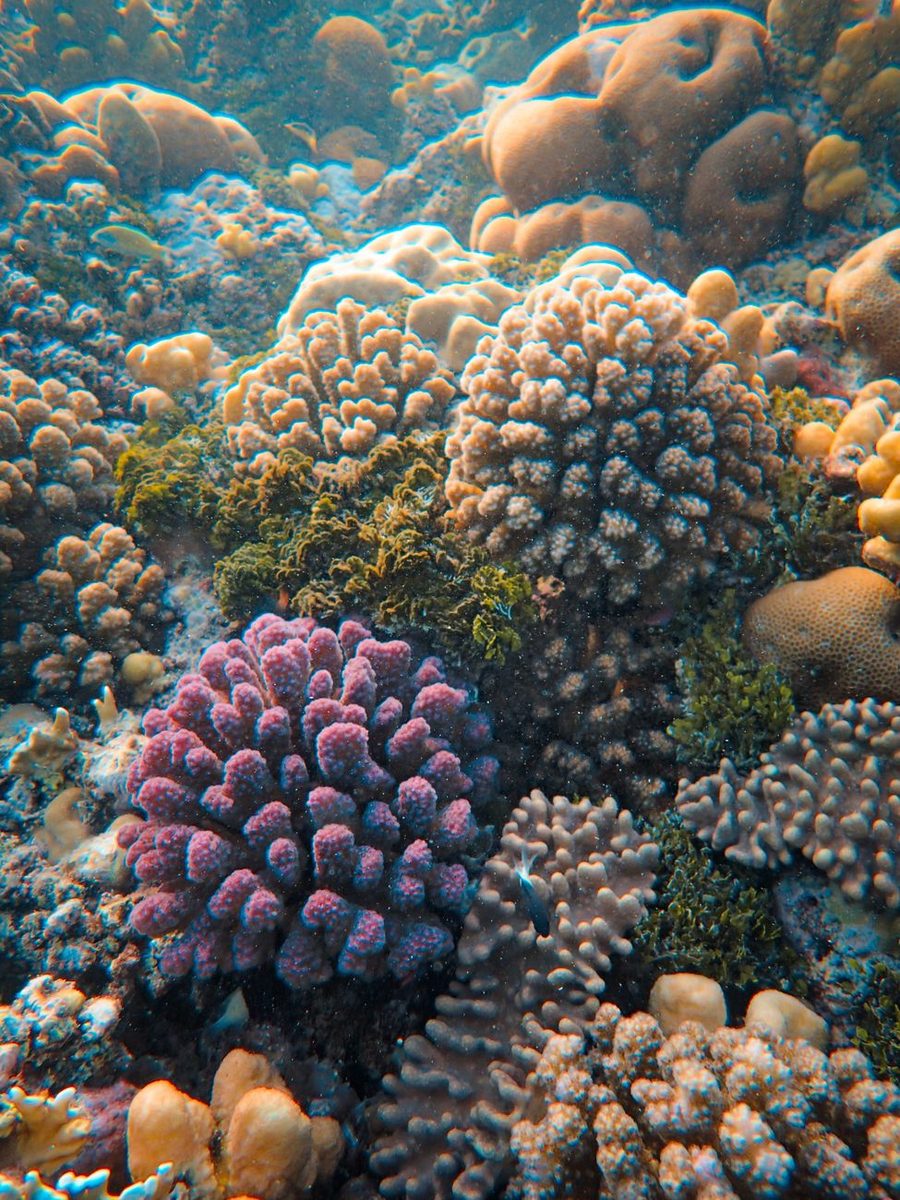
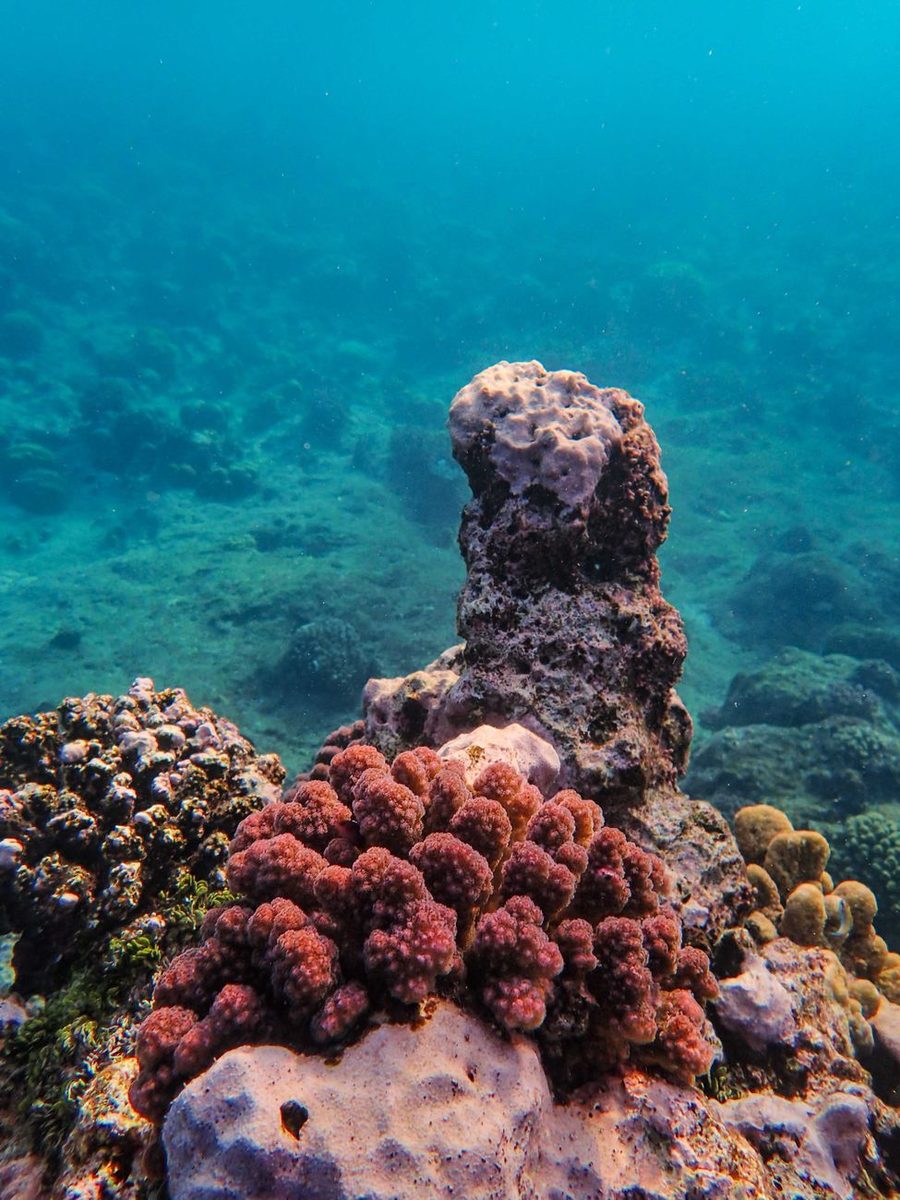
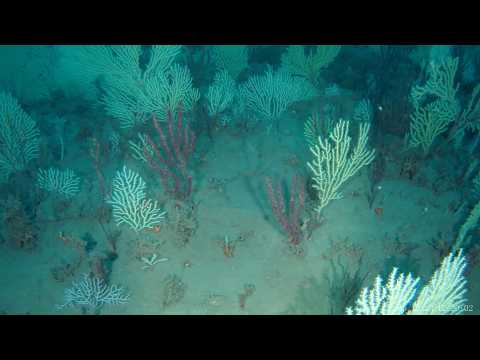
Sixty years later, a team using sonar, an underwater drone, and a deep-sea camera found the reef alive. It grows about 54 meters down in the twilight zone, a dim band where little sunlight reaches, and forms a coral garden rather than a single solid reef.

The site is the first confirmed living mesophotic coral ecosystem on the Gulf of Guinea's continental shelf. It supports at least eight fish species, and researchers are pushing for its protection while planning expeditions to map its true extent.

Why it matters

West Africa's coastal waters may hide other living reefs, which would change how the region plans fisheries and marine protection.

Questions about this story

Free account needed to ask — your question is kept and asked for you right after sign-up. Answers are public.

No questions yet — be the first to ask.

Key Indicators

60+
Years the reef was presumed dead
1960s surveys concluded the deep formation was dead; 2026 research proved it alive.
8
Fish species observed
Golden African snappers, blackbar soldierfish, West African goatfish, Guinean angelfish, and others used the corals for shelter and feeding.
8
Coral types identified
Six octocorals (soft corals) and two black corals form a coral garden rather than a structured reef.
11.5 km
Seabed mapped with sonar
Two signals consistent with reef structures were found; cameras confirmed coral at the most promising sites.
40 km
Possible reef extent from historical reports
Historical records suggest a continuous barrier reef running parallel to the coast; only a fraction was surveyed.

Voices

Curated perspectives — historical figures and your fellow readers.

Ever wondered what historical figures would say about today's headlines?

Sign up to generate historical perspectives on this story.

People Involved

Organizations Involved

Timeline

January 1963 July 2026

2 events Latest: July 19th, 2026 · 2 months ago
  1. Paper confirms living mesophotic reef off Benin

    Latest Discovery

    Gérard Zinzindohoué's team publishes in Frontiers in Marine Science, confirming a living coral garden with eight coral types and eight fish species in the twilight zone — the first confirmed mesophotic coral ecosystem on the Gulf of Guinea's continental shelf.

  2. Fishing surveys flag deep reef, presume it dead

    Survey

    Governments of Dahomey (now Benin) and Togo funded surveys mapping fish stocks and seabed. Acoustic methods detected a possible coral formation below 50 meters, but without visual observation researchers presumed it dead.

Scenarios

1

Benin designates marine protected area around rediscovered reef

Possible Resolves by End of 2027

Discussed by: Inside Climate News, Yale E360, lead researcher Midinoudewa

Researchers at IRHOB are advocating to protect the site, possibly as a marine protected area. Midinoudewa is also applying to the International Union for Conservation of Nature to designate it an Important Shark and Ray Area. Local fishermen's reports of sharks and rays in the area support the application.

2

Further surveys find a much larger reef along the West African coast

Uncertain Resolves by End of 2028

Discussed by: Gérard Zinzindohoué (study lead), Oceanographic Magazine

Historical reports suggest the reef could be a continuous barrier roughly 40 kilometers long running parallel to the coast. The team mapped only 11.5 kilometers of seabed, so a follow-up expedition with broader sonar coverage could confirm a far larger ecosystem. Funding for such an expedition is not yet secured.

3

Coral sampling reveals when the reef formed

Likely Resolves by End of 2028

Discussed by: Gérard Zinzindohoué (study lead) and study co-authors

Direct sampling of corals would reveal whether the population is continuous from the 1960s surveys or a more recent recolonization. Zinzindohoué says sampling is the priority for future expeditions. The acoustic data gathered so far do not support the idea of an unbroken barrier, so determining the reef's age requires physical samples, which have not yet been taken.

Historical Context

2 moments from history that rhyme with this story — and how they unfolded.

December 1938

Coelacanth rediscovered off South Africa (1938)

A fish believed extinct for 66 million years turned up in a trawler's catch off East London, South Africa. Museum curator Marjorie Courtenay-Latimer recognized the strange blue-fin fish as something extraordinary and preserved it against the crew's protests.

Then

The specimen became a global sensation and triggered decades of search for more coelacanths, found later in the Comoros and Indonesia.

Now

Coelacanth populations are now documented across the Indian Ocean and protected by international agreements.

Why this matters now

Like the Benin reef, a life form written off as gone survived undetected. The rediscovery showed how limited sampling can mask thriving populations.

February 1977

Hydrothermal vent ecosystems discovered (1977)

Oceanographers aboard the submersible Alvin found dense communities of giant tube worms, clams, and blind shrimp at hydrothermal vents on the Galápagos Rift, 2,500 meters deep, in complete darkness.

Then

The discovery overturned the idea that sunlight is the base of all food chains and introduced chemosynthesis to global science.

Now

Vent ecosystems are now a research priority found across all ocean basins and protected by international agreements.

Why this matters now

New deep-sea technology revealed ecosystems where scientists assumed nothing could live. The Benin reef's rediscovery follows the same pattern: better tools overturn earlier assumptions.

Sources

(6)