
Pull to refresh
Logo
Olive ridley sea turtles nest on California coast for first time on record

Olive ridley sea turtles nest on California coast for first time on record

New Capabilities

Two turtles laid eggs on Orange County beaches, extending the species' nesting range 700 miles north

September 25th, 2026: Eggs collected and transferred to Aquarium of the Pacific

Overview

Updated 3 hours ago

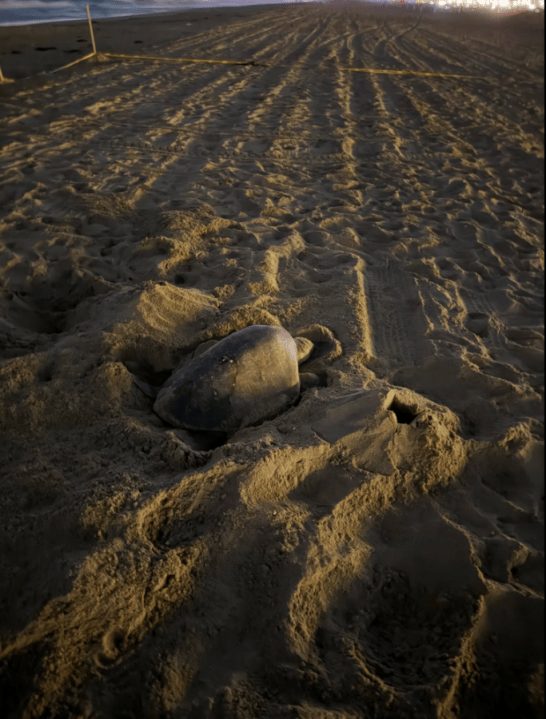
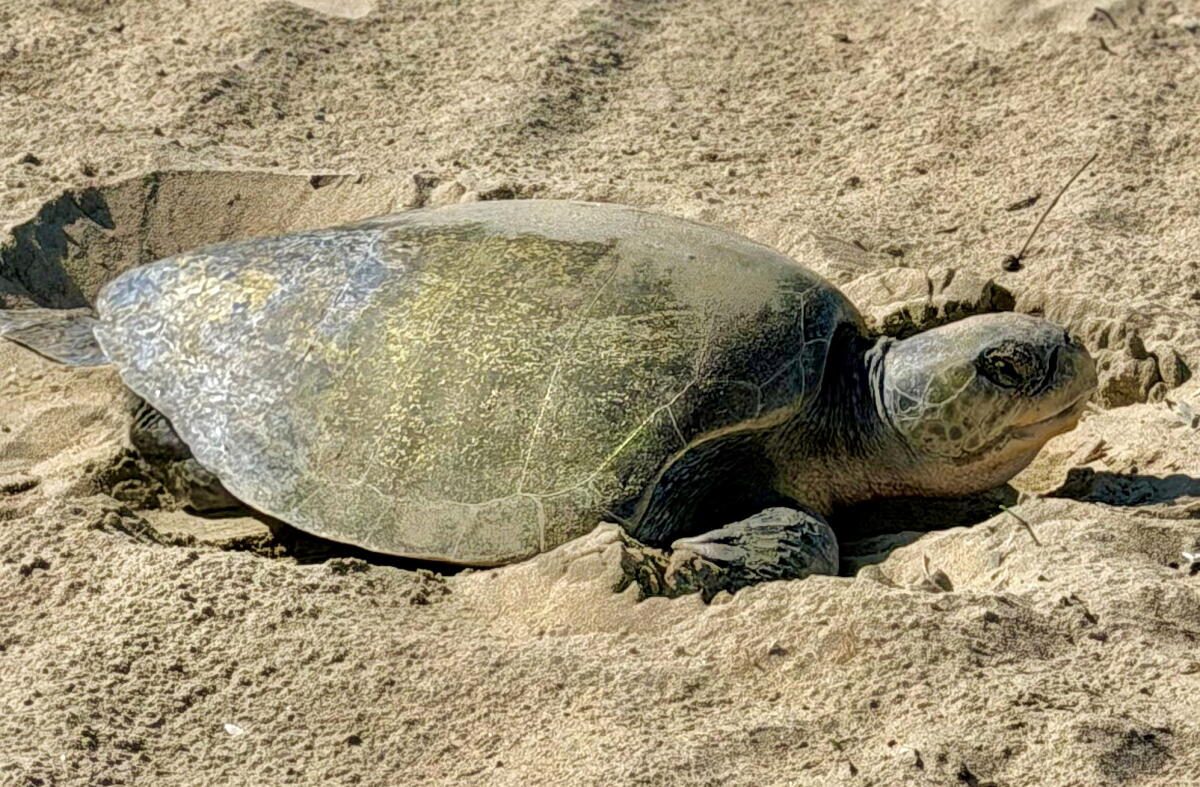
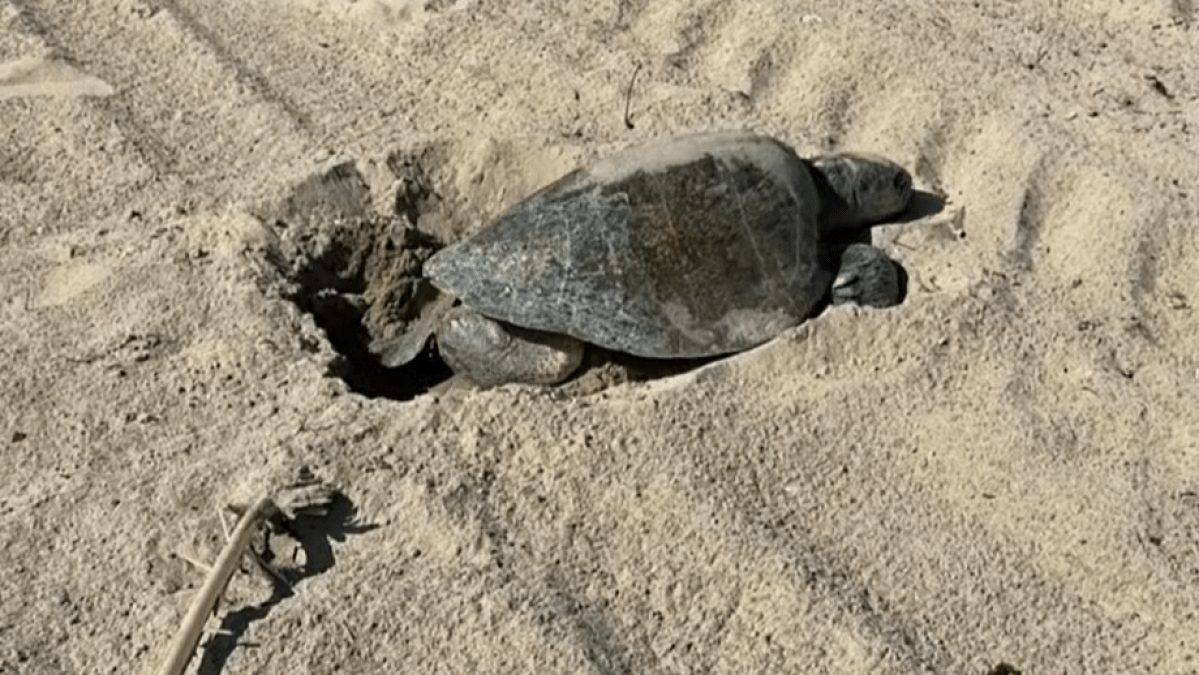
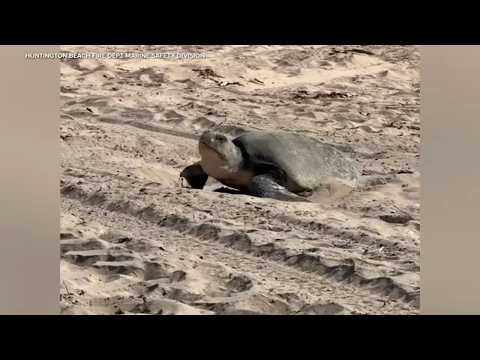
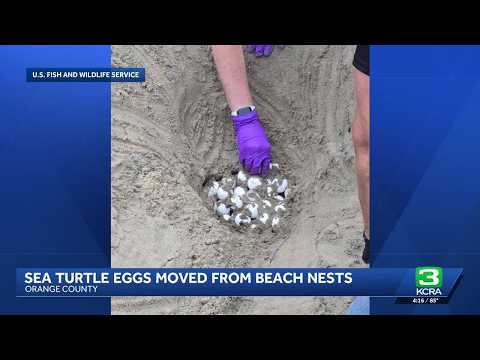
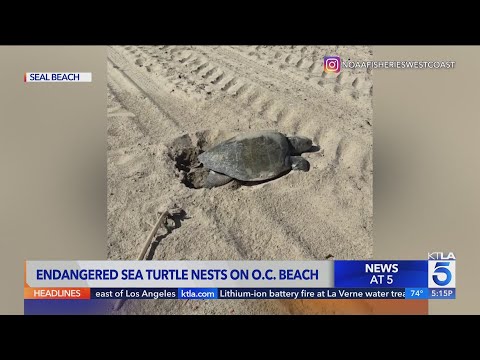
An olive ridley sea turtle crawled out of the surf near Seal Beach, California, on September 16 and laid eggs in the sand. Three days later, a second turtle nested about 8 miles away near the Huntington Beach Pier. No sea turtle species had ever been documented nesting on the U.S. West Coast.

Scientists collected the eggs on September 25 and moved them to the Aquarium of the Pacific in Long Beach, where they will incubate for 45 to 60 days. If they hatch, the hatchlings will be released on the beaches where the eggs were laid. The nesting extends the olive ridley's known nesting range about 700 miles north of its closest site in Baja California, Mexico.

Why it matters

If the eggs hatch and hatchlings survive, olive ridley turtles could return to California beaches in 15 years to establish a new nesting population.

Questions about this story

Free account needed to ask — your question is kept and asked for you right after sign-up. Answers are public.

No questions yet — be the first to ask.

Key Indicators

2
Nesting events on California beaches
Two different olive ridley turtles nested in September 2026, confirmed by photo ID analysis.
1,127 km
Range extension northward
Closest known nesting site is in Baja California, Mexico, about 700 miles south.
60 days
Maximum incubation period
Eggs collected September 25 are incubating at the Aquarium of the Pacific.

Voices

Curated perspectives — historical figures and your fellow readers.

Ever wondered what historical figures would say about today's headlines?

Sign up to generate historical perspectives on this story.

People Involved

Organizations Involved

Timeline

4 events Latest: September 25th, 2026 · 1 week ago
Tap a bar to jump to that date
  1. Eggs collected and transferred to Aquarium of the Pacific

    Latest Action

    Inter-agency team collected eggs and moved them to Long Beach aquarium for incubation.

  2. NOAA confirms first-ever West Coast nesting

    Statement

    NOAA announced the nestings were the first-ever recorded for any sea turtle species on the U.S. West Coast.

  3. Second turtle nests near Huntington Beach Pier

    Natural event

    Second olive ridley turtle nested about 8 miles from first site.

  4. First olive ridley nests at Seal Beach

    Natural event

    Olive ridley turtle laid eggs at Seal Beach, first documented nesting on U.S. West Coast.

Scenarios

1

Olive ridley hatchlings emerge on California beaches

Possible Resolves by Dec 15, 2026

Discussed by: NOAA Fisheries, Aquarium of the Pacific

The eggs incubate successfully at the Aquarium of the Pacific. After 45-60 days, hatchlings emerge and are released on Seal Beach and Huntington Beach, where the eggs were laid. This would establish the first documented sea turtle hatchlings on the U.S. West Coast.

2

Eggs fail to hatch, nesting remains a one-time event

Possible Resolves by Dec 15, 2026

Discussed by: NOAA Fisheries

The eggs turn out to be unfertilized or non-viable. NOAA noted uncertainty about whether the eggs were fertilized. The nesting events remain a biological curiosity but do not establish a breeding population.

3

More olive ridley nests found on Southern California beaches

Likely Resolves by End of 2026

Discussed by: NOAA Fisheries, Jeff Seminoff

Olive ridley females typically nest 2-3 times per season, about 2 weeks apart. The two known turtles may return to nest again, and other turtles could follow. Seminoff called the two nestings a 'pattern' rather than a one-off event.

Historical Context

2 moments from history that rhyme with this story — and how they unfolded.

2015-2016

2015-2016 El Niño and Pacific marine heatwave (2015-2016)

One of the strongest El Niño events on record warmed Pacific waters, and a marine heatwave known as 'the Blob' raised sea surface temperatures along the U.S. West Coast. Marine species shifted northward in response.

Then

Documented range shifts in fish, invertebrates, and marine mammals along the Pacific coast.

Now

Established that warm-water events can rapidly shift marine species distributions, with effects lasting years.

Why this matters now

NOAA scientists attribute the California nesting partly to warm sea surface temperatures from marine heatwaves and the incoming 2027 El Niño, the same mechanism that drove species shifts in 2015-2016.

Ongoing

Olive ridley arribada nesting events (ongoing)

Olive ridley turtles are known for arribadas, mass nesting events where more than 1,000 females come ashore simultaneously at sites in Mexico, Costa Rica, and India. Others nest as solitary individuals.

Then

Arribadas concentrate nesting at a few key beaches, making the species dependent on those sites.

Now

The species is the most abundant sea turtle, known for behavioral flexibility and long-distance migration.

Why this matters now

California nesting departs from the species' typical nesting pattern, but its behavioral flexibility may explain why it can adapt to new nesting sites.

Sources

(11)