

Pull to refresh
Logo
Study maps the uneven human toll of Japan's 7,300-year-old super-eruption

Study maps the uneven human toll of Japan's 7,300-year-old super-eruption

New Capabilities

Demographic modeling shows Jomon communities collapsed in some regions, declined far from the volcano, and grew in others

Today: Demographic study maps uneven human impacts

Overview

Updated 1 hour ago

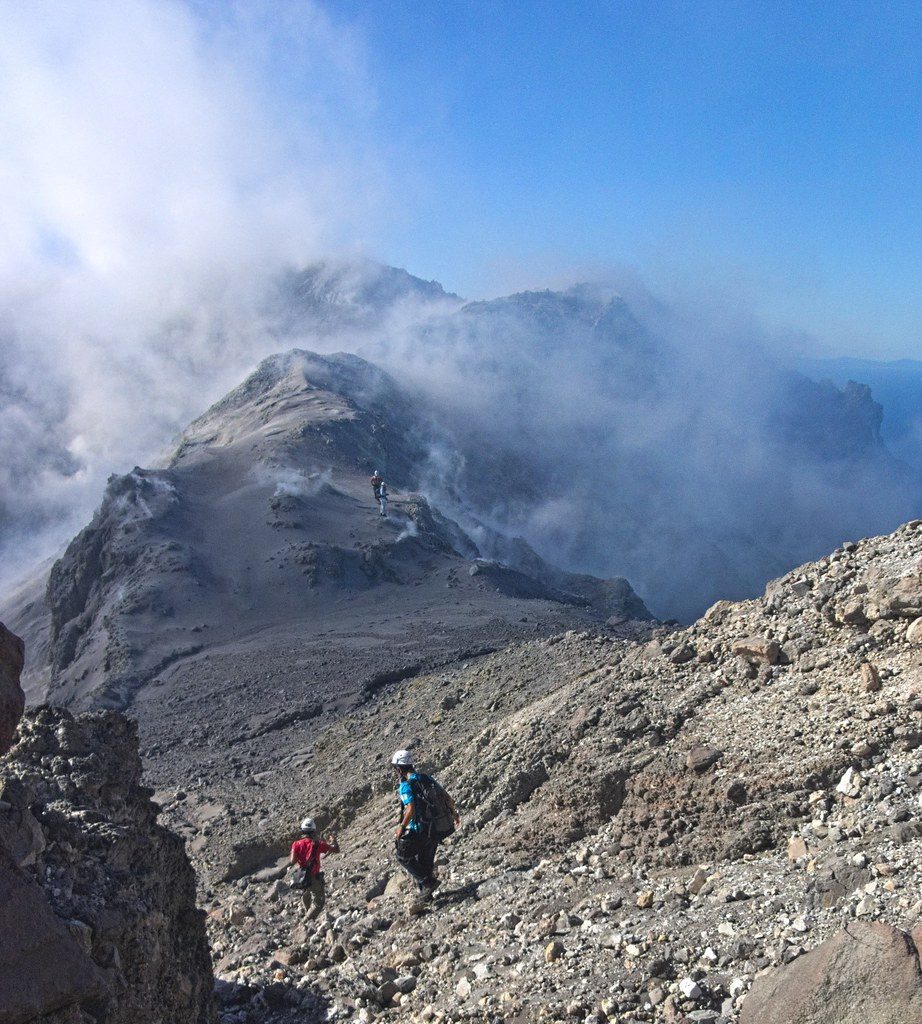
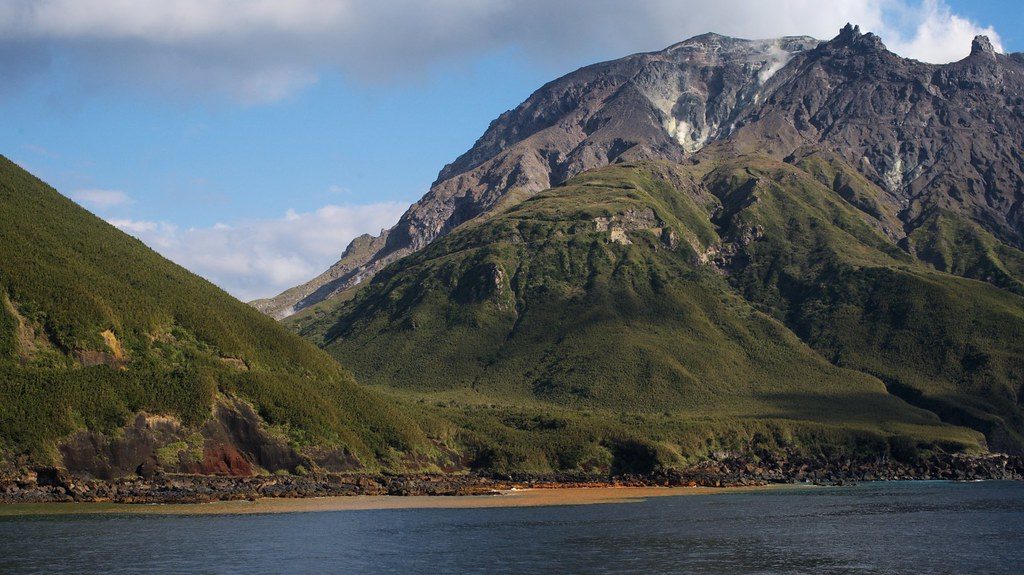
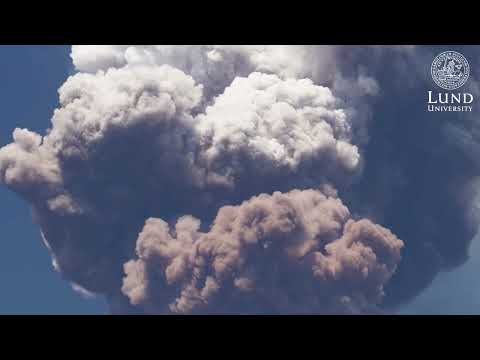
A volcano off southern Japan erupted 7,300 years ago, burying the archipelago in ash and killing many of the hunter-gatherers living nearby. New statistical modeling of radiocarbon dates shows the human toll was strikingly uneven. Some regions emptied, others declined hundreds of kilometers away, and a few communities near the blast kept growing.

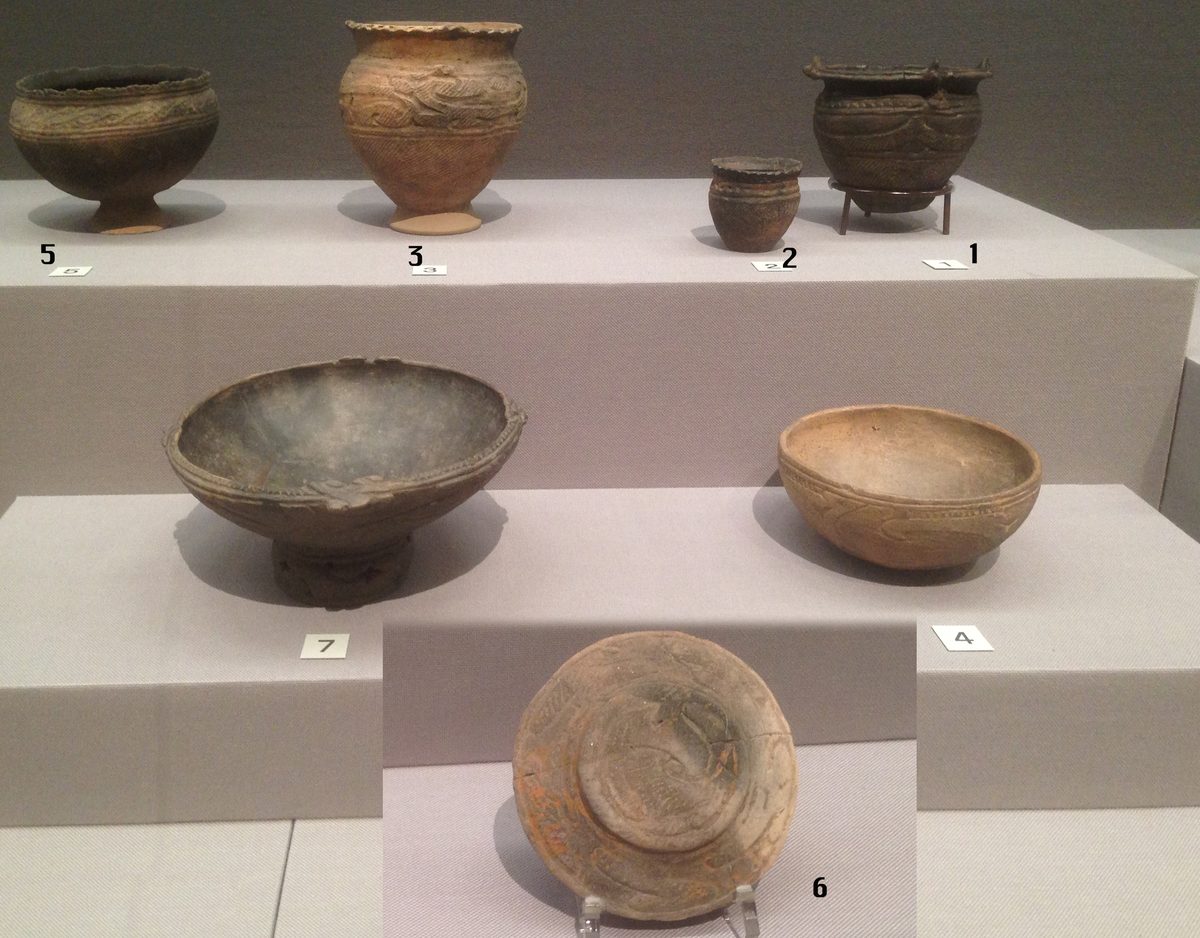
The study, published in Science Advances, breaks with the old binary debate over the Kikai-Akahoya (K-Ah) eruption: all-out Jomon apocalypse or full cultural continuity. Neither fits the data. Survivors appear to have migrated to coasts, rebuilt economies around marine resources, and repopulated damaged land.

Why it matters

The finding shows human choices like migration and adaptation can blunt even a super-eruption's impact, a lesson for how societies weather sudden shocks.

Questions about this story

Free account needed to ask — your question is kept and asked for you right after sign-up. Answers are public.

No questions yet — be the first to ask.

Key Indicators

7,300
Years since the eruption
The Kikai-Akahoya event is one of the largest volcanic eruptions of the Holocene.
3
Distinct demographic response patterns
Severe collapse, distal decline, and local resilience are all recorded across the archipelago.
Yes
Population growth held in northern Kyushu
Growth trends near the volcano persisted through the disaster, likely boosted by refugees.

Voices

Curated perspectives — historical figures and your fellow readers.

Ever wondered what historical figures would say about today's headlines?

Sign up to generate historical perspectives on this story.

People Involved

Organizations Involved

Timeline

2023 c. 5300

3 events Latest: Today
  1. Kikai-Akahoya eruption devastates Japan

    Upcoming Natural disaster

    One of the Holocene's largest eruptions buries western Japan in ash and devastates Jomon communities.

  2. Demographic study maps uneven human impacts

    Today Research

    Science Advances publishes modeling showing collapse, distal decline, and local resilience across Japan, reported by ScienceDaily.

  3. Tanegashima resettlement study published

    Research

    Antiquity paper details how Jomon populations on Tanegashima were devastated and later resettled, adjusting their subsistence base.

Scenarios

1

Osteological study confirms K-Ah health damage in distant regions

Possible Resolves by End of 2028

Discussed by: The Science Advances authors, who call for this analysis directly in the paper; Lund University's coverage also cites the hypotheses.

The paper's distal-region declines could come from fluoride poisoning, fine ash damaging lungs, or deer and wild boar grinding down their teeth on ash-covered grazing, cutting the human food supply. The authors ask for targeted bone and tooth analysis along the ashfall transect to test these. A dedicated study comparing pre- and post-eruption remains would settle whether those mechanisms held.

2

New evidence documents survivors' move to northern Kyushu

Possible Resolves by End of 2028

Discussed by: Lund University's summary of the study and the authors' own interpretation of the coastal growth trends.

Population growth that held or rose near northern coasts after the eruption may reflect refugees fleeing the destroyed south. The authors propose strategic migration of survivors into northern coastal communities, where marine ecosystems recovered faster. Fresh excavation or ancient-DNA work along the northern Kyushu coast would test that reading.

3

Independent re-analysis challenges the demographic model

Possible Resolves by End of 2029

Discussed by: Implicit in the paper's discussion of modeling limitations; standard scientific replication expectations.

The study's conclusions rest on statistical modeling of radiocarbon-date densities, a method sensitive to data quality and model assumptions. A separate group applying a different model or a larger dataset could confirm the 'divergent fates' pattern or soften it. Independent replication would show how robust the picture really is.

Historical Context

3 moments from history that rhyme with this story — and how they unfolded.

c. 74,000 years ago

Toba supereruption (c. 74,000 years ago)

The Toba caldera in Sumatra erupted in one of the largest volcanic events of the past two million years, blanketing South Asia in ash and possibly triggering a 'volcanic winter.' Some geneticists argued it caused a severe bottleneck in modern human populations.

Then

Decades of dispute over whether human populations crashed globally or barely registered the eruption.

Now

Remains one of the most contested questions in human prehistory, with collapse versus continuity claims still unresolved.

Why this matters now

The K-Ah study attacks the same question, with the same polarized answers, and lands on a middle path: impacts varied sharply by region.

c. 1600 BCE

Minoan eruption of Thera (c. 1600 BCE)

The volcano at Santorini exploded violently, burying the Minoan settlement at Akrotiri and sending tsunamis across the eastern Mediterranean. Scholars have debated for decades whether it fatally weakened Minoan civilization or was only one factor in its decline.

Then

Immediate destruction around the Aegean and a long decline of Minoan power.

Now

Fueled a methodological debate about how much weight single natural shocks carry in societal collapse.

Why this matters now

A classic case where 'apocalyptic cause' and 'continuity' both fail to capture how a complex society absorbed a huge eruption, exactly the point of the K-Ah findings.

May 1980

Mount St. Helens eruption (1980)

The Cascade volcano erupted in May 1980, flattening forests and killing 57 people. Within a few years, plants, animals, and human visitors returned to the blast zone, and recovery patterns varied sharply by ecosystem.

Then

Immediate devastation followed by rapid recovery of some ecosystems.

Now

Showed how quickly damaged landscapes can recover and human activity resume.

Why this matters now

Directly mirrors the Tanegashima resettlement case, where survivors returned to a devastated landscape and adapted to new conditions.

Sources

(8)