Pull to refresh
Logo
Scientists discover new frog species in Amazon's flooded forests

Scientists discover new frog species in Amazon's flooded forests

New Capabilities

Adenomera varcena is the first of its genus found breeding in seasonally flooded várzea, identified by DNA and an unusually slow call

Today: Discovery publicly announced by FAPESP

Overview

Updated 2 hours ago

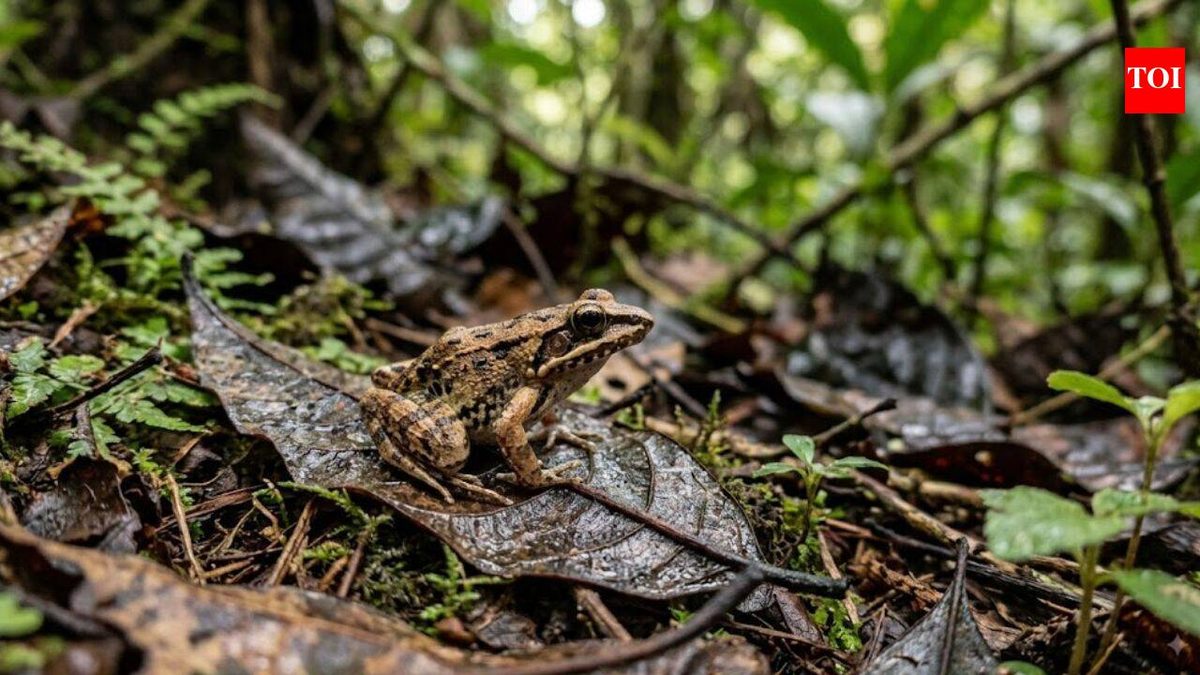
A frog smaller than a thumbnail blends into Brazil's western Amazon floodplains, indistinguishable from its relatives by eye. Researchers used DNA and recordings of its call to prove Adenomera varcena is a new species—and the first of its genus known to breed in seasonally flooded forest.

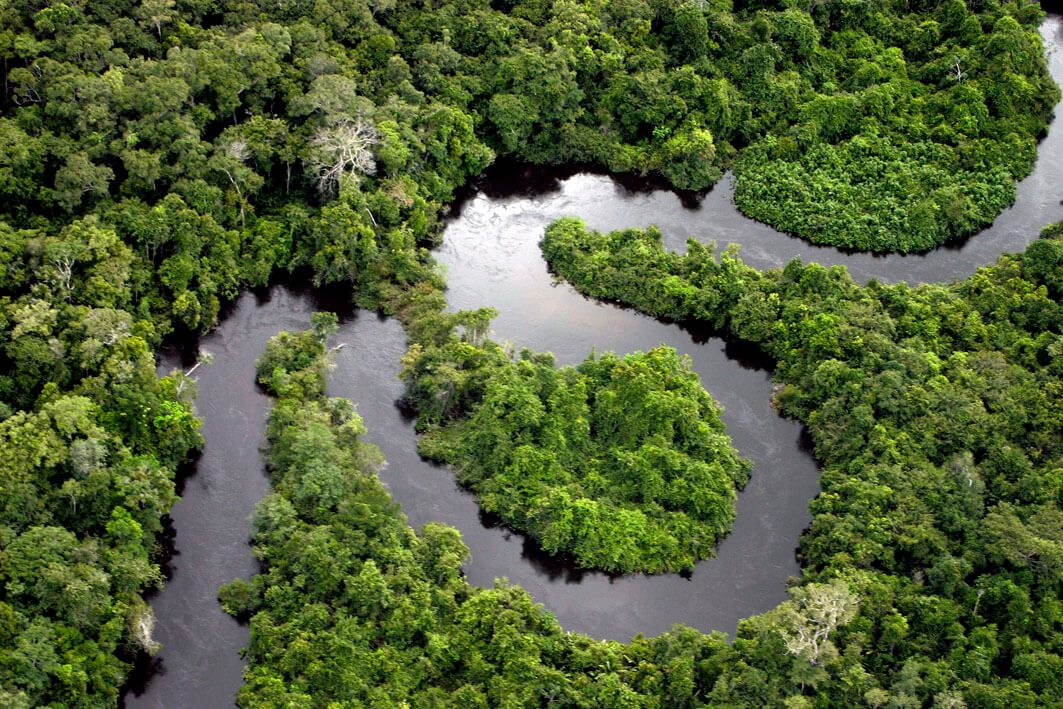
Every close relative calls and breeds in terra firme, the non-flooded Amazon forest. A. varcena lives in várzea, land that submerges for part of the year. The discovery shows how much Amazonian biodiversity remains hidden, and why formal naming matters for conservation.

Why it matters

Unnamed species don't appear on protected-species lists, so documenting Amazonian frogs like A. varcena is the only way to keep them from vanishing legally unprotected.

Questions about this story

Free account needed to ask — your question is kept and asked for you right after sign-up. Answers are public.

No questions yet — be the first to ask.

Key Indicators

9
Molecular lineages in A. simonstuarti complex
A. varcena is the first of nine identified DNA lineages to receive a formal name; eight others remain undescribed.
22–24
Adult body length (mm)
About the size of a thumbnail; typical of terrestrial foam-nesting frogs.
1–5
Mating call notes per minute
At 1–5 short, non-pulsed notes per minute, the slowest call rate in the genus Adenomera.

Voices

Curated perspectives — historical figures and your fellow readers.

Ever wondered what historical figures would say about today's headlines?

Sign up to generate historical perspectives on this story.

People Involved

Organizations Involved

Timeline

May 2026 September 2026

2 events Latest: Today
  1. Discovery publicly announced by FAPESP

    Today Announcement

    Research foundation issues news release; ScienceDaily, EurekAlert!, and ScitechDaily report the finding.

  2. Study describing Adenomera varcena published

    Publication

    Paper in Ichthyology & Herpetology formally names the new frog species from the A. simonstuarti complex.

Scenarios

1

Taxonomists describe another cryptic Adenomera species

Likely Resolves by Sep 17, 2028

Discussed by: The study authors, who state that numerous Adenomera lineages from the A. simonstuarti complex remain formally undescribed

The A. simonstuarti complex contains nine known molecular lineages, of which A. varcena is now formally described. The authors signal that other lineages await similar treatment. When specimens, recordings, and DNA samples are already banked, follow-up descriptions typically appear within months to a few years.

2

Adenomera varcena assessed for IUCN Red List

Possible Resolves by Sep 17, 2028

Discussed by: Researchers who note that formal description is a precondition for inclusion in threatened-species assessments

Now that A. varcena has a scientific name, conservation agencies can assess its extinction risk. Its dependence on seasonally flooded várzea forest, a habitat vulnerable to climate and land-use change, makes an assessment valuable. IUCN assessments typically require population data that scientists have not yet gathered for this species.

3

Studies document the frog's breeding ecology in floodplains

Possible Resolves by Sep 17, 2028

Discussed by: Study co-author Thiago Carvalho, who said the species' reproductive period and mode remain unknown

The research team flagged that A. varcena's reproductive timing, egg-laying behavior, and habitat requirements beyond the várzea association are unknown. Field studies tracking breeding in the Upper Juruá floodplains would fill that gap. Such studies are a typical next step after a species description, especially when the species occupies a habitat new to its genus.

Historical Context

3 moments from history that rhyme with this story — and how they unfolded.

1966–1989

Golden toad extinction (1966–1989)

Discovered in Costa Rica's Monteverde cloud forest in 1966, the orange golden toad vanished by 1989, partly due to climate-linked chytrid fungus outbreaks. Scientists had barely begun studying it when it disappeared.

Then

The extinction became a global symbol of amphibian decline and triggered research into chytrid fungus.

Now

Amphibians are now among the most threatened vertebrate groups worldwide, tracked by the IUCN.

Why this matters now

Shows what can happen when a species disappears before scientists understand it. A. varcena faces a similar risk in a changing floodplain ecosystem.

September 2026

Pristimantis milpe resolved (2026)

A common Ecuadorian frog spent more than a century misidentified as a different species. Researchers solved the confusion by studying specimens collected in the 19th century, preserved at London's Natural History Museum, combined with genetic analysis.

Then

Pristimantis milpe was formally recognized as its own species, and turned out to be widespread once correctly identified.

Now

Became a reference case for how museum specimens and DNA can untangle frogs that look alike.

Why this matters now

Same puzzle as A. varcena: frogs that appear identical to relatives can be separate species. In both cases, only painstaking specimen and genetic work reveals the truth.

June 2026

Three poison dart frog species named (2026)

Researchers at Southern Illinois University Carbondale formally described three new poison dart frog species from the Amazon in June 2026, part of an ongoing survey of the region's amphibian diversity.

Then

The names give conservationists defined species to study, map, and consider in environmental decisions.

Now

Adds to a growing 2026 record of Amazonian amphibian discoveries revealed by genetic and acoustic analysis.

Why this matters now

Parallel evidence that Amazonian amphibian discoveries are arriving steadily, even as deforestation narrows the window to document them.

Sources

(6)