
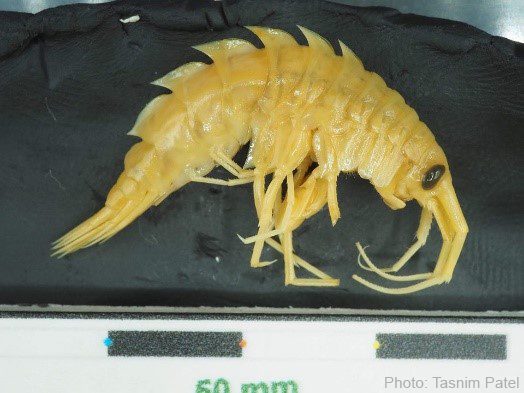
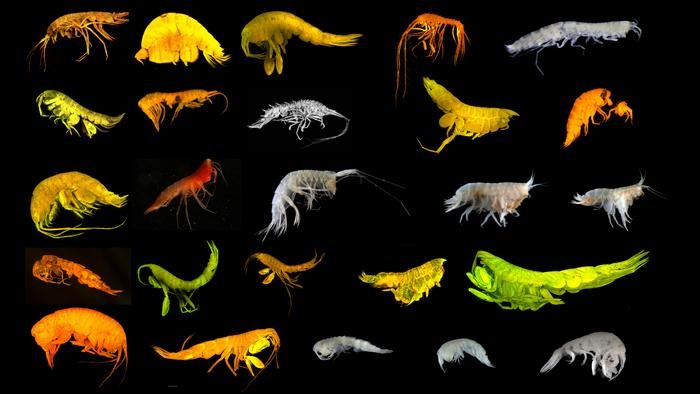
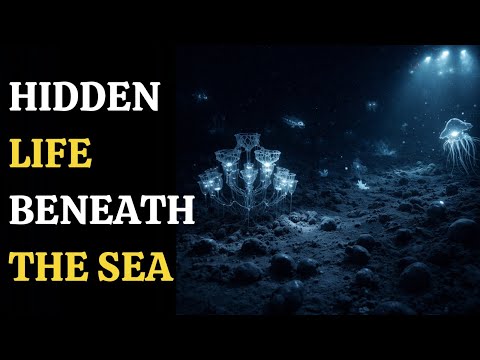

Scientists have identified 24 new species of amphipod crustaceans in the Clarion-Clipperton Zone, a stretch of Pacific seabed the size of the United States that sits at the center of a global fight over deep-sea mining. Among the discoveries is an entirely new superfamily of life — Mirabestioidea — representing a previously unknown evolutionary branch. It is the taxonomic equivalent of discovering a new order of mammals.
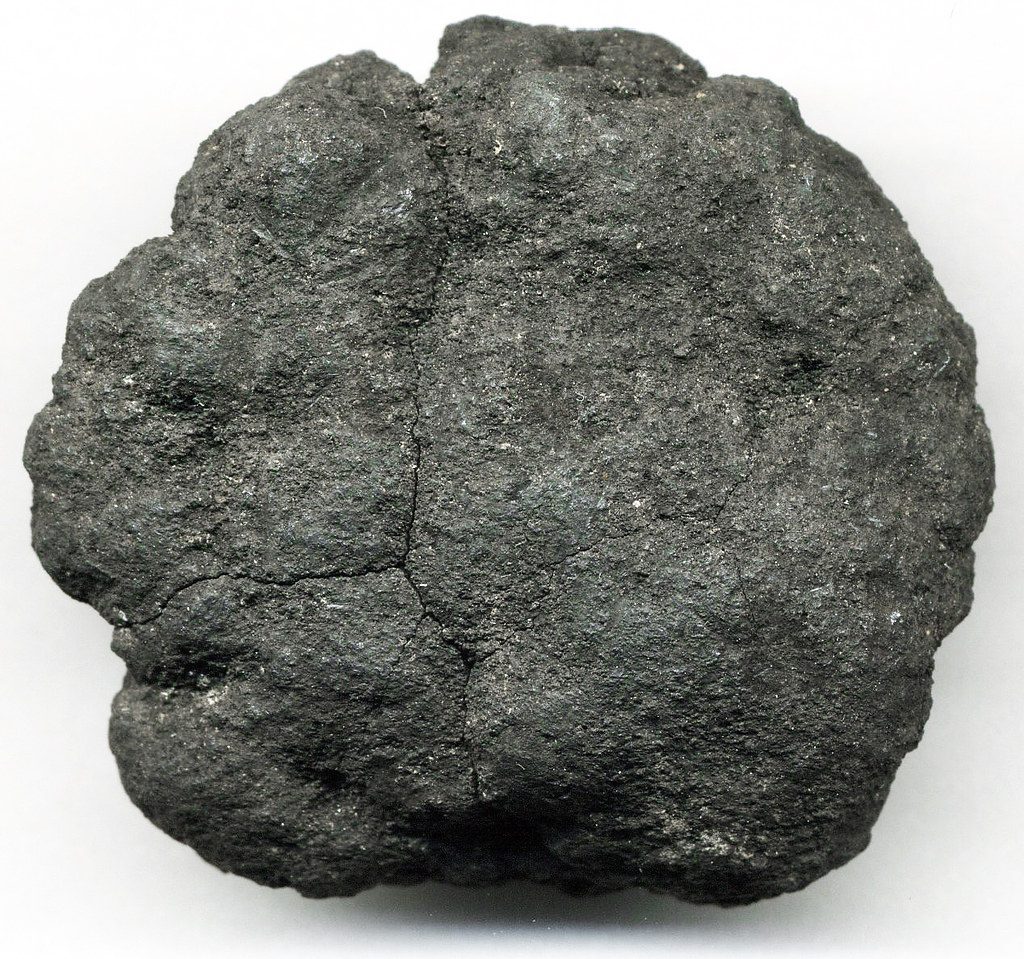
The findings arrive at a pivotal moment. The International Seabed Authority is actively negotiating rules that would govern commercial mining of the polymetallic nodules that carpet the CCZ floor — the same nodules that provide the only hard surface many of these species can cling to. With over 5,000 species discovered in the zone since systematic surveys began and roughly 90% still unnamed, each new finding strengthens the scientific argument that we cannot yet assess what mining would destroy.