
March 2015 - March 2016
NASA Twins Study (2015-2016)
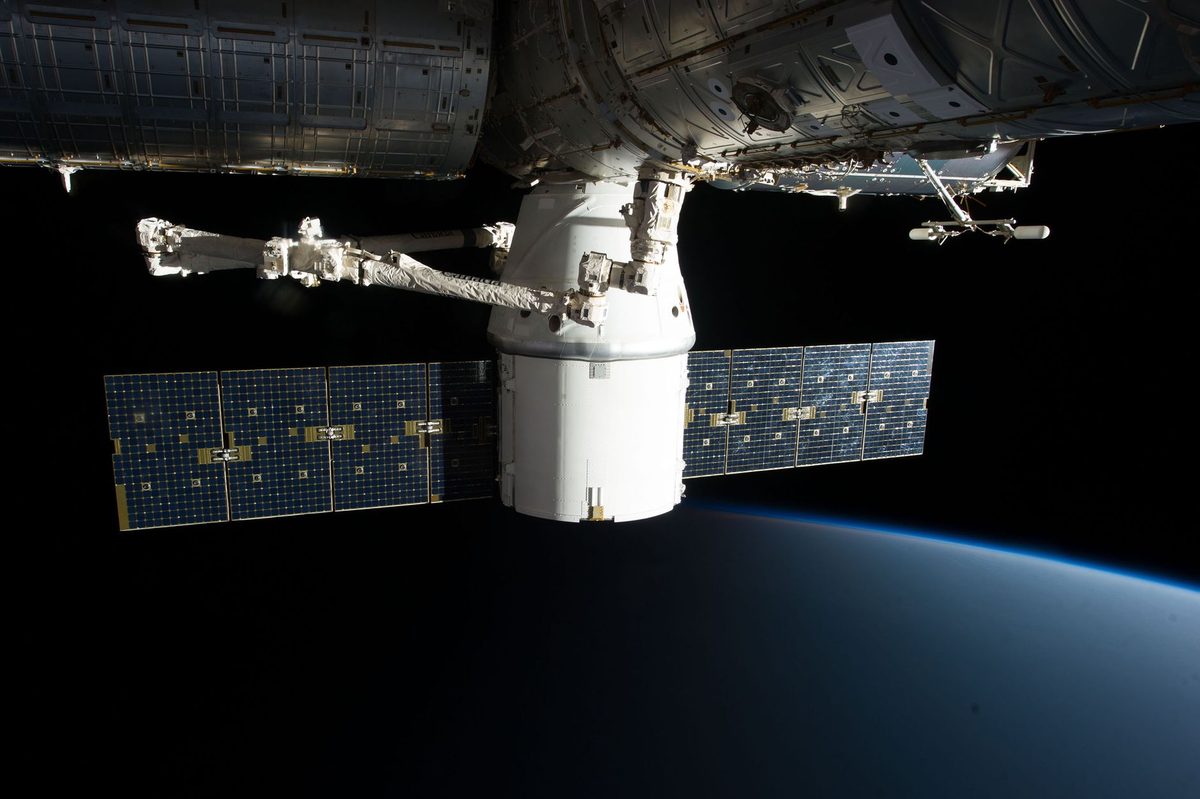
Astronaut Scott Kelly spent nearly a year on the International Space Station while his twin brother Mark stayed on the ground as a genetically matched control. Researchers tracked gene expression, telomere length and immune markers in both men before, during and after the flight.
Then
Most of Scott Kelly's in-flight changes reversed after return, but a subset of gene-expression shifts persisted.
Now
The study established the twin-control design as a way to separate spaceflight effects from individual genetic variation, a logic the organoid work borrows.
Why this matters now
Both studies use a matched ground control to ask which molecular changes belong to spaceflight and which belong to the tissue's own genetic background.