

Pull to refresh
Logo
Gobi fossil overturns 40-year classification of the 'Cretaceous rabbit'

Gobi fossil overturns 40-year classification of the 'Cretaceous rabbit'

New Capabilities

Nearly complete skeleton shows zhelestids were zalambdalestoids, not early placental mammals

Today: Complete fossil reclassifies zhelestids as zalambdalestoids

Overview

Updated 55 minutes ago

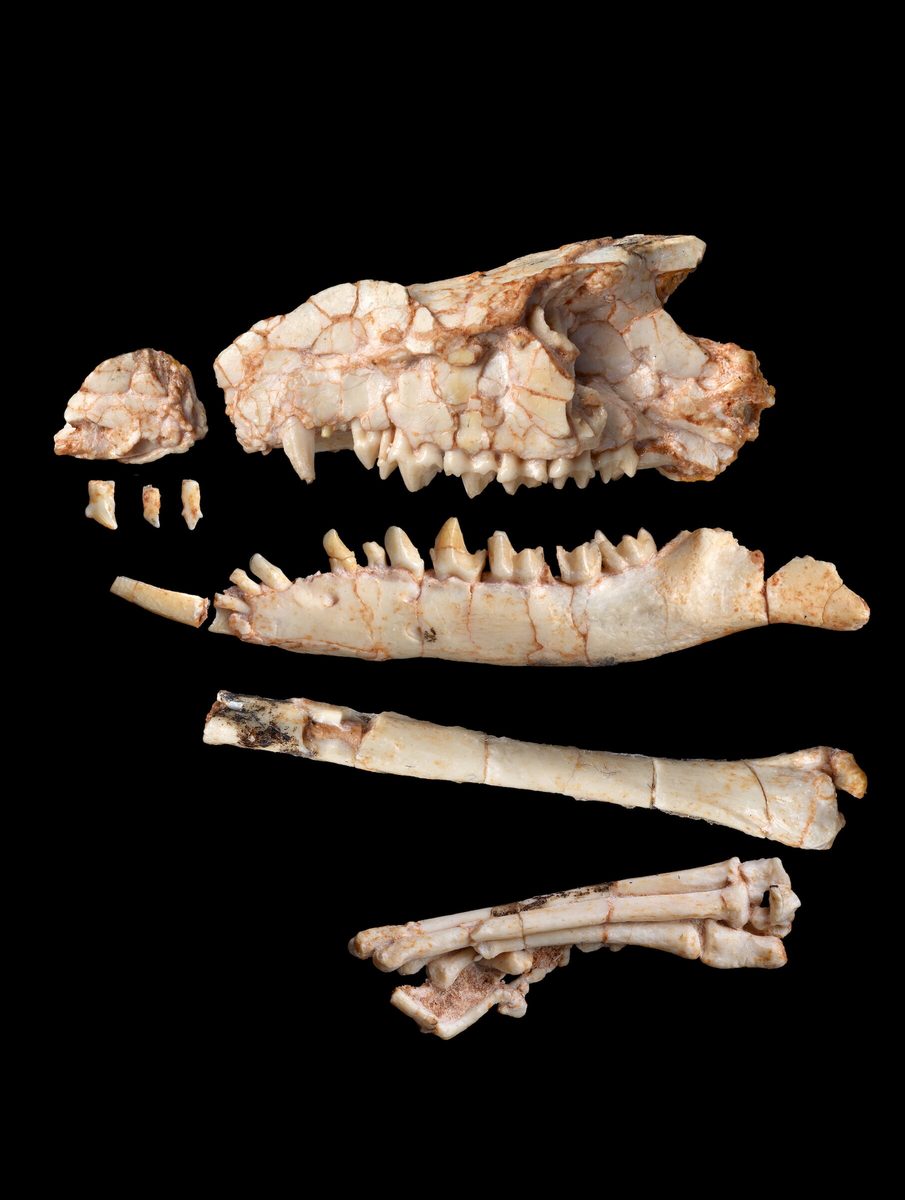
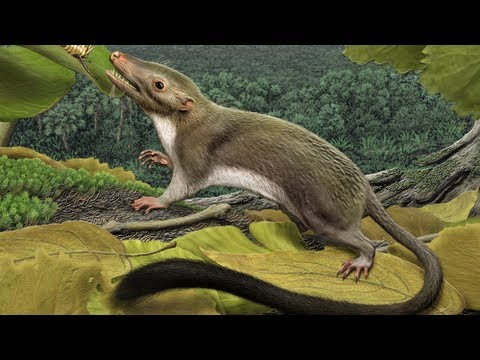
For 38 years, zhelestids were known only from molars that looked like the plant-grinding teeth of hoofed mammals. That led paleontologists to place them near the origin of placental mammals, the group that includes humans. A nearly complete skeleton from Mongolia's Gobi Desert now shows those molars were misleading.

The new fossil, an animal about 6 inches long with a rabbit-like build, has zhelestid teeth but skull and ankle features of zalambdalestoids, a separate group of small Cretaceous mammals. The rounded teeth evolved independently in unrelated lineages, a case of convergent evolution. The finding removes a key fossil from the case for placental mammals in the Cretaceous.

Why it matters

The finding removes a key fossil from the case for placental mammals in the Cretaceous, shifting when scientists think modern mammal groups arose.

Questions about this story

Free account needed to ask — your question is kept and asked for you right after sign-up. Answers are public.

No questions yet — be the first to ask.

Key Indicators

38 years
How long zhelestids were known only from isolated teeth
First described around 1988, the group was classified from molars alone until now.
1
Nearly complete zhelestid skeletons found to date
Tamirkhan balcarceli is the first specimen preserving skull and limbs together.
6-7 in
Head-to-tail length of Tamirkhan balcarceli
The rabbit-sized animal had elongated hind limbs adapted for running.

Voices

Curated perspectives — historical figures and your fellow readers.

Ever wondered what historical figures would say about today's headlines?

Sign up to generate historical perspectives on this story.

People Involved

Organizations Involved

Timeline

January 1988 September 2026

2 events Latest: Today
  1. Complete fossil reclassifies zhelestids as zalambdalestoids

    Today Publication

    Nature publishes the description of Tamirkhan balcarceli, showing zhelestid molars co-occur with zalambdalestoid skull and limb features.

  2. First zhelestid molars described

    Discovery

    Isolated molars with rounded cusps suggested herbivorous, placental-like mammals existed in the Cretaceous.

Scenarios

1

Reclassification adopted across major databases

Likely Resolves by End of 2028

Discussed by: Paleontologists tracking Mesozoic mammal phylogeny

If the phylogenetic analysis holds up under scrutiny, reference databases and textbooks will move zhelestids out of the placental stem and into Zalambdalestoidea. The finding's publication in Nature gives it weight, but community acceptance takes time.

2

Second complete specimen confirms the placement

Possible Resolves by End of 2030

Discussed by: Field paleontologists working in Central Asia

Another nearly complete zhelestid skeleton showing zalambdalestoid skull and limb features would cement the reclassification beyond reasonable doubt. The Gobi Desert and neighboring fossil sites in Kazakhstan, Kyrgyzstan, and Uzbekistan are the most likely sources.

3

Competing analysis argues for placental affinity

Unlikely Resolves by End of 2028

Discussed by: Researchers who favor molecular-clock estimates of placental origins

Molecular clock studies suggest placental mammals appeared well before the end of the Cretaceous. Some researchers may argue the zhelestid dentition still reflects placental ancestry, or that the single Tamirkhan specimen is not decisive. A formal challenge would keep the debate alive.

Historical Context

3 moments from history that rhyme with this story — and how they unfolded.

1849 to 1970s

Hypsilophodon foxii reclassification (1849–1970s)

The small dinosaur Hypsilophodon was described in 1849 from fragmentary remains. Paleontologists later concluded it climbed trees, citing its feet and supposedly grasping digits. Complete skeletons eventually showed it was a fast bipedal runner.

Then

The arboreal idea faded as better specimens emerged, especially through Peter Galton's restudy in the 1970s.

Now

It became a standard example of how fragmentary fossils can mislead ecological reconstruction.

Why this matters now

Like the zhelestids, the animal's true habits stayed hidden until complete skeletons corrected decades of inference from fragments.

1958 to 2016

Tully monster classification (1958–2016)

Francis Tully found the first specimens in Illinois coal-age rocks in 1958. For decades, experts could not agree what the soft-bodied animal was, proposing a mollusk, worm, or arthropod. In 2016, a team scanning thousands of specimens with computed tomography placed it among early vertebrates.

Then

The vertebrate hypothesis was published and widely accepted, though some skepticism remains.

Now

The Tully monster became the standard example of how long morphological puzzles can resist classification.

Why this matters now

It shows how incomplete anatomical evidence can keep even a well-studied fossil misclassified. The zhelestid case lasted 38 years; the Tully monster took nearly 60.

Miocene to Pleistocene

Marsupial and placental saber-tooth convergence (Miocene–Pleistocene)

Thylacosmilus, a South American marsupial about the size of a jaguar, evolved long curved canine teeth much like those of Smilodon, a placental cat from North America. The two lineages were separated by over 100 million years of independent evolution.

Then

Both lineages went extinct before the present day.

Now

They became standard textbook examples of convergent evolution in mammals.

Why this matters now

The zhelestid molars are now interpreted as the same kind of convergence: similar teeth evolving independently in unrelated lineages.

Sources

(7)