
Pull to refresh
Logo
New Zimbabwe dinosaur reveals distinct prehistoric ecosystem in southern Africa

New Zimbabwe dinosaur reveals distinct prehistoric ecosystem in southern Africa

New Capabilities

Musango matusadonaensis is the second dinosaur species found only in Zimbabwe's Late Triassic rocks

Yesterday: Musango matusadonaensis described

Overview

Updated 2 hours ago

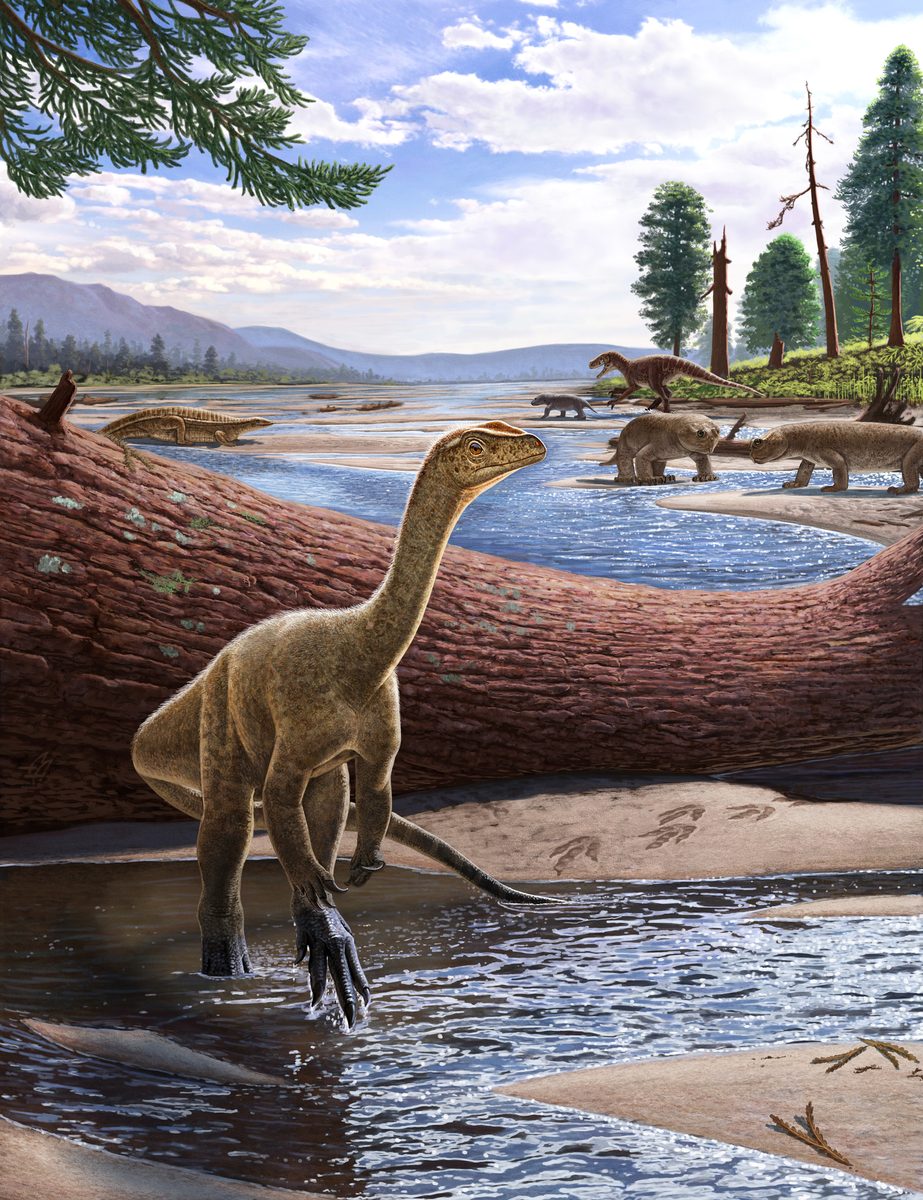
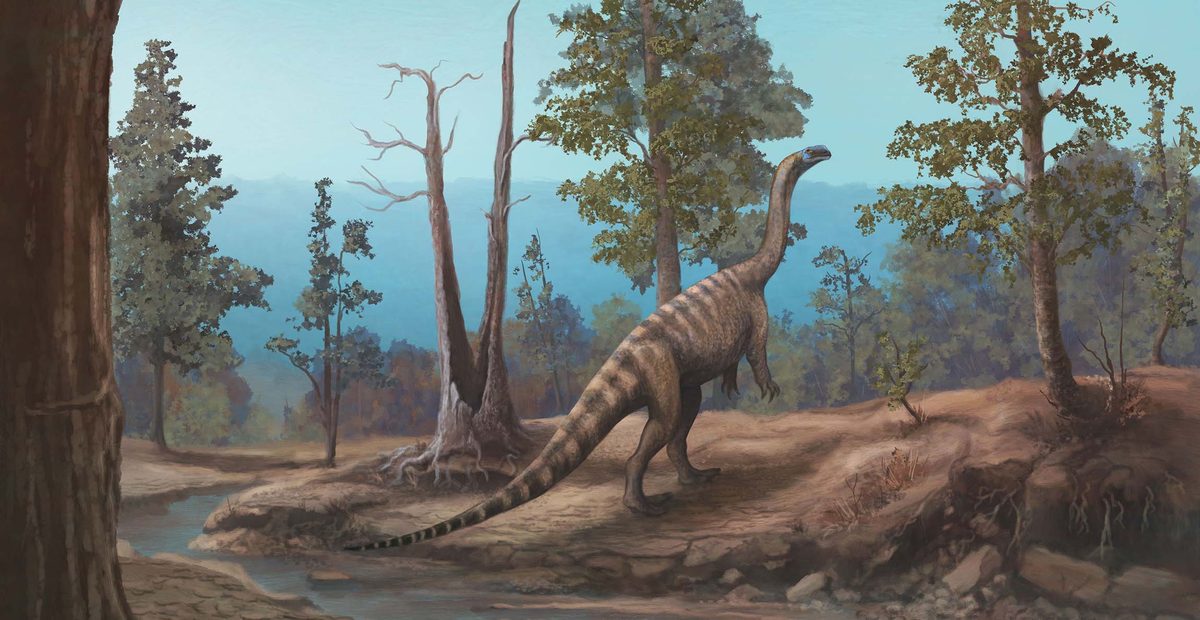
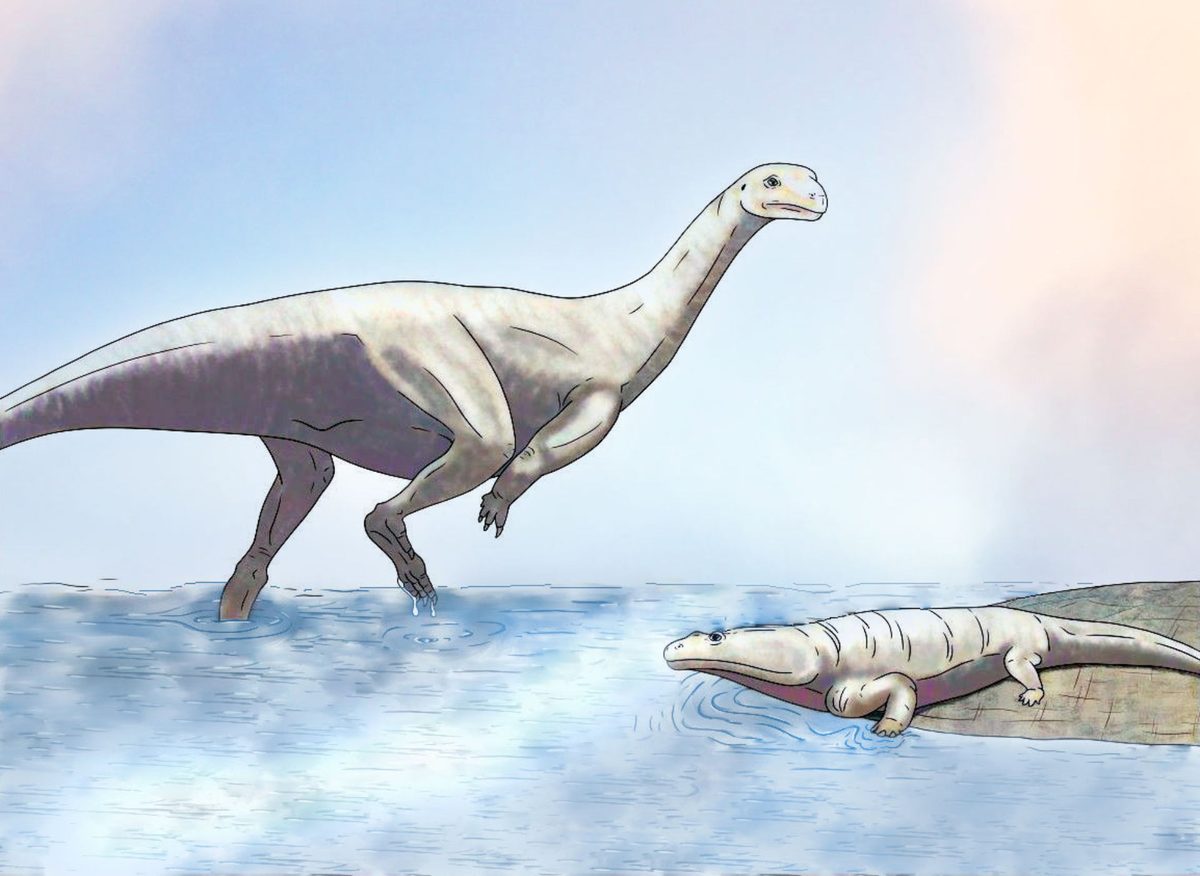
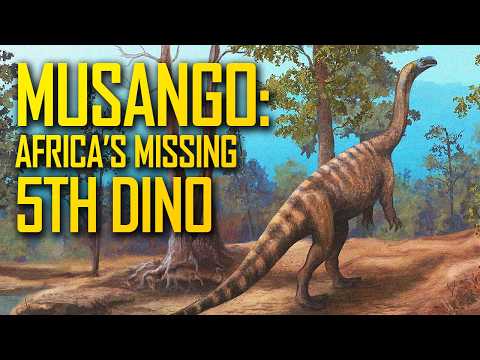
A 210-million-year-old dinosaur skeleton from the shore of Lake Kariba is the second species found only in Zimbabwe's Late Triassic rocks. Named Musango matusadonaensis, the sauropodomorph walked on two legs, reached about 4.5 meters long, and weighed roughly 220 kilograms.

The find challenges a long-held assumption that Zimbabwe's dinosaurs matched species from neighboring South Africa. Researchers have not identified a single dinosaur taxon shared between the two regions' Late Triassic deposits. They suspect ancient climate differences separated the animal communities.

Why it matters

The discovery shows early dinosaur evolution was more regional than assumed, with distinct animal communities even in nearby parts of ancient Gondwana.

Questions about this story

Free account needed to ask — your question is kept and asked for you right after sign-up. Answers are public.

No questions yet — be the first to ask.

Key Indicators

0
Shared dinosaur taxa between Zimbabwe and South Africa's Late Triassic beds
Researchers have not found a single dinosaur species in both regions' deposits.
210 million
Age of Musango matusadonaensis
The dinosaur lived during the Late Triassic period (237-201 million years ago).
4.5 m
Estimated length of Musango
The sauropodomorph walked on its hind legs only.
2
Dinosaurs unique to Zimbabwe's Late Triassic beds
Musankwa (2024) and Musango (2026) are both found only in Zimbabwe.

Voices

Curated perspectives — historical figures and your fellow readers.

Ever wondered what historical figures would say about today's headlines?

Sign up to generate historical perspectives on this story.

People Involved

Organizations Involved

Timeline

1850s October 2026

7 events Latest: Yesterday
Tap a bar to jump to that date
  1. Musango matusadonaensis described

    Latest Discovery

    Musango matusadonaensis described, second dinosaur unique to Zimbabwe.

  2. Musankwa described from same beds

    Discovery

    Musankwa, first dinosaur unique to Zimbabwe, described from same beds.

  3. Second expedition to Lake Kariba

    Expedition

    Second expedition to Lake Kariba yields more fossils.

  4. First expedition to Lake Kariba

    Expedition

    International team mounts first expedition to Lake Kariba shoreline.

  5. Bond and Raath discover abundant material

    Discovery

    Bond and Raath discover abundant material in Bulawayo and the lower Zambezi Valley.

  6. First dinosaur bones reported in Zimbabwe

    Discovery

    First dinosaur bones reported in Zimbabwe, beginning the country's fossil record.

  7. First African dinosaur fossils described

    Discovery

    First African dinosaur fossils noted scientifically, described from the Eastern Cape, South Africa.

Scenarios

1

Climate hypothesis gains support from new environmental data

Possible Resolves by End of 2028

Discussed by: The research team led by Paul Barrett and Jonah Choiniere

The team plans to return to Kariba for more fossils and collect detailed environmental data from the dinosaur-bearing rocks. If the data confirm semi-arid conditions distinct from South Africa's wetter environments, the climate explanation would gain strong support.

2

Time gap, not climate, explains the faunal differences

Possible Resolves by End of 2027

Discussed by: The Clarity, which noted the Late Triassic spans 36 million years

Musango lived about 210 million years ago, roughly 9 million years before the end of the Triassic. If the South African fossils used for comparison come from a different time slice, the faunal differences could reflect time, not climate. More precise dating of both regions' beds would settle this.

3

More intensive study reveals species shared with South Africa

Unlikely Resolves by End of 2028

Discussed by: Researchers noting Zimbabwe has not been studied as intensively as South Africa

Zimbabwe's fossil beds have received far less research attention than South Africa's well-known sites. More intensive excavation could reveal species shared between the two regions, weakening the distinct-fauna claim.

Historical Context

2 moments from history that rhyme with this story — and how they unfolded.

1907-1912

Tendaguru expeditions (1907-1912)

German paleontologists led by Werner Janensch excavated the Tendaguru beds in what is now Tanzania over five field seasons. They uncovered a rich dinosaur fauna including Giraffatitan, one of the largest land animals ever found, and shipped thousands of fossils to Berlin.

Then

The finds established Africa as a major source of dinosaur fossils and revealed a distinct East African fauna.

Now

The collections remain a cornerstone of dinosaur research and showed that Africa's dinosaur communities differed from Europe's.

Why this matters now

Like the Zimbabwe finds, Tendaguru showed that Africa hosted dinosaur communities distinct from those elsewhere, challenging assumptions of uniform faunas across continents.

1850s

First African dinosaur fossils (1850s)

The first African dinosaur fossils noted scientifically were described from the Eastern Cape, South Africa, in the 1850s. These early finds began the African dinosaur map that now spans the continent.

Then

The descriptions drew scientific attention to Africa's fossil record.

Now

They established South Africa as a center of early dinosaur research, a role it still holds.

Why this matters now

The Zimbabwe discovery extends this map and challenges the assumption that Zimbabwe's fossils simply match South Africa's better-known faunas.

Sources

(6)