Pull to refresh
Logo
Daily Brief
Following
Why Ranks Sign Up
Screwworm returns to the US for the first time since 1966

Screwworm returns to the US for the first time since 1966

Force in Play

A flesh-eating parasite eradicated 60 years ago turns up in a Texas calf, and the USDA answers with sterile flies

2 days ago: Second Texas case detected

Overview

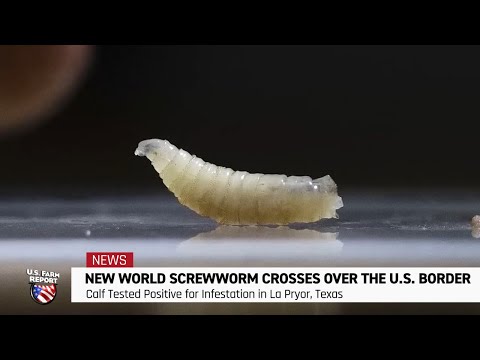
The United States wiped out the New World screwworm in 1966. Sixty years later, the flesh-eating parasite is back: federal labs confirmed larvae in a three-week-old calf in Zavala County, Texas, on June 3, 2026.

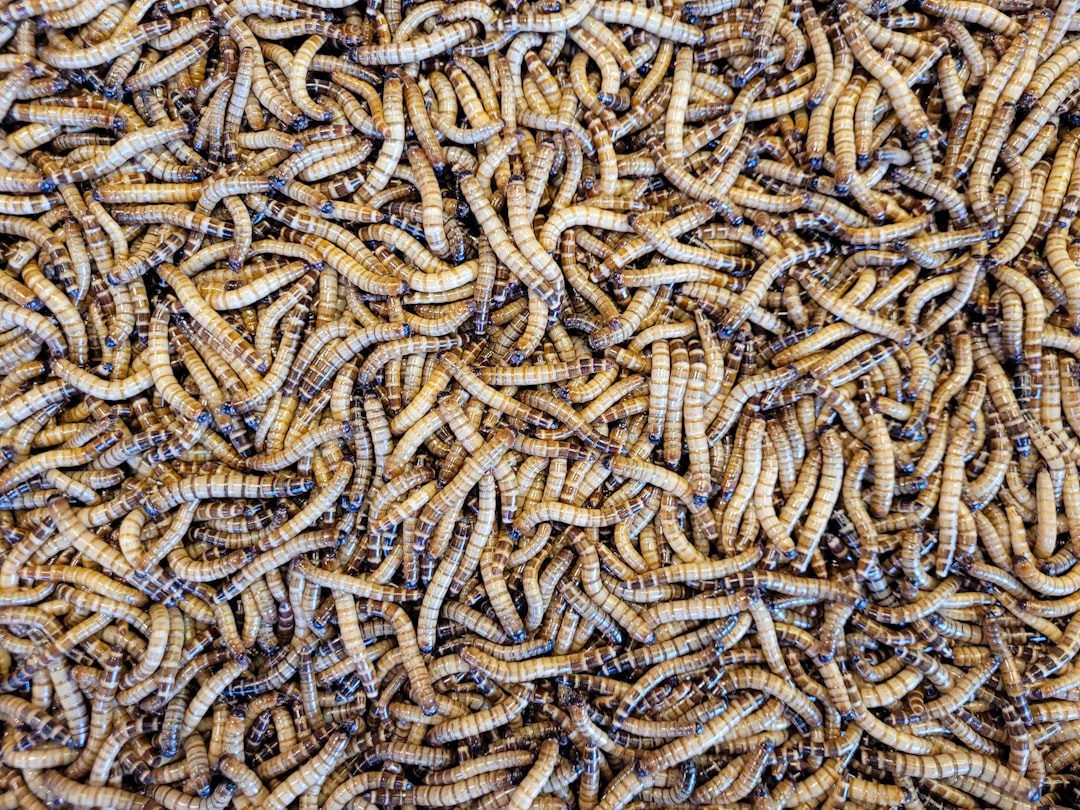
The screwworm's maggots burrow into the living tissue of warm-blooded animals and eat them from the inside. The USDA has drawn a 20-kilometer quarantine zone and is releasing millions of sterile flies to stop the parasite before it reaches the wider $15 billion Texas cattle herd.

Why it matters

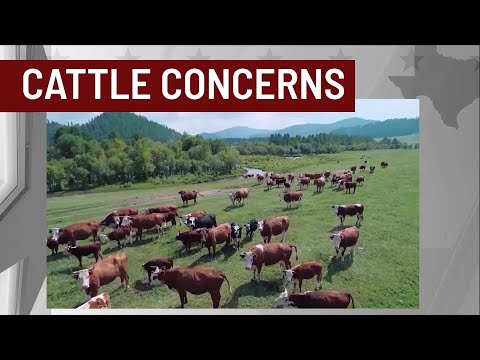
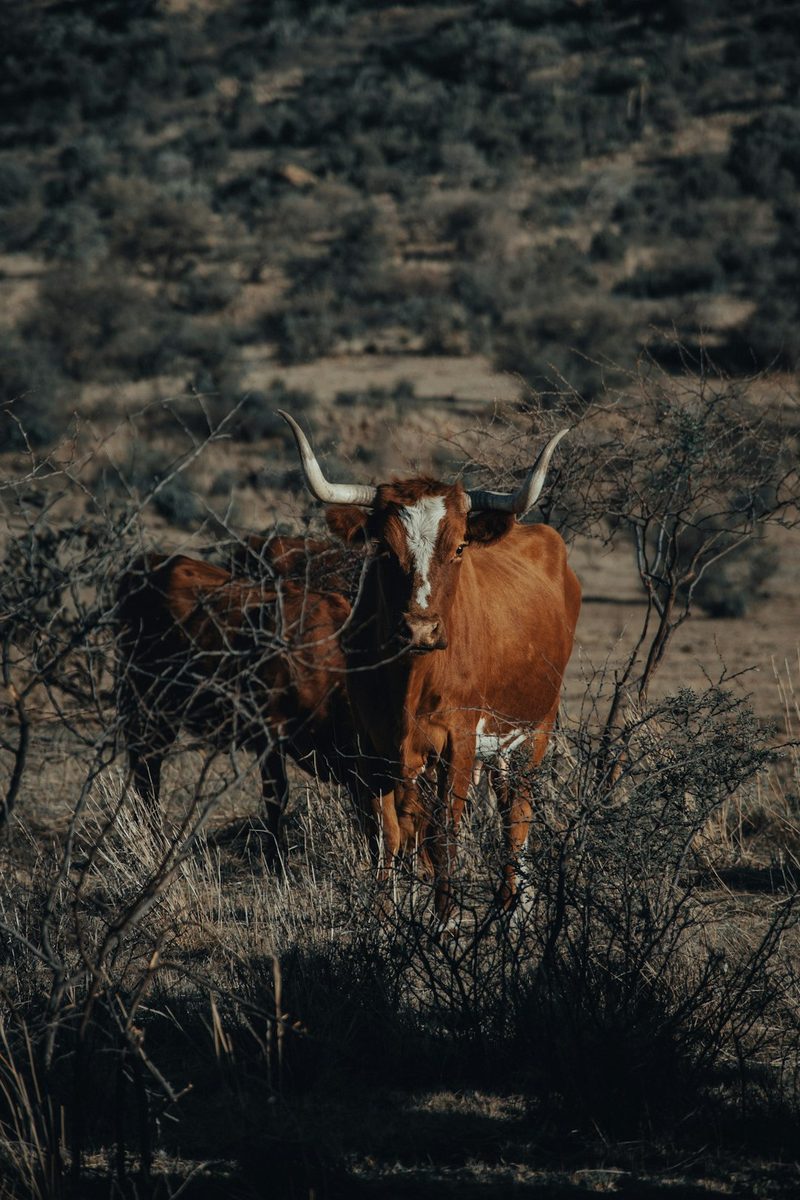
A parasite that eats cattle alive is back on US soil. If it spreads, ranchers face dead livestock and higher beef prices.

Questions about this story

0

Is this a big risk?

Yes — a full outbreak would be a serious economic threat, but the risk of that happening is actively being fought down by a containment response built over the past year.

Why it matters: A widespread screwworm infestation could inflict $1.8 billion in damage to Texas alone, and the state holds the largest cattle herd in the country.

  • Two confirmed cases in Zavala County, 5.6 miles apart, prompted Governor Abbott to issue a disaster proclamation — a signal the state treats this as more than a contained incident.
  • The parasite spreads fast: one female lays up to 3,000 eggs in her lifespan and any wound as small as a tick bite is enough to attract her.
  • The USDA's $8.5M sterile-fly facility at Moore Air Base can release 100 million sterile flies per week — the same tool that wiped the pest out in 1966 — and a second production plant broke ground in April 2026.
  • Food supply is not at risk: screwworms attack living animals, not meat, so beef in stores is unaffected.
Room for disagreement
  • USDA and Secretary Rollins are publicly downplaying food-supply risk to avoid market panic, while Texas ranchers and industry analysts point out that even a partial spread would drive beef prices higher in a market already strained by the year-long import ban on Mexican cattle.
AI-generated with web search — may be wrong. Check the linked sources.
Key Indicators

60 years
Since last US detection
The screwworm was declared eradicated from the United States in 1966.
20 km
Quarantine zone radius
Movement controls and surveillance around the infested site in South Texas.
4M/week
Sterile flies released by air
The USDA is dropping sterile males weekly and has added ground releases.
$15B
Texas cattle industry
The state's herd is the largest in the country and the main thing at risk.
$750M
New US fly factory
A sterile-fly production plant broke ground in April 2026 in the Rio Grande Valley.

Voices

Curated perspectives — historical figures and your fellow readers.

Ever wondered what historical figures would say about today's headlines?

Sign up to generate historical perspectives on this story.

Play

Exploring all sides of a story is often best achieved with Play.

Log in to play. Track your picks, climb the leaderboards. Log in Sign Up
Predict 3 ways this could play out. Contrarian picks score more — points lock when the scenario resolves. Log in to play
Higher or Lower Two numbers from this story. Guess which is bigger. 5 rounds to set a streak. Log in to play
Connections Sixteen names from the news. Find the four hidden groups of four. Log in to play

People Involved

Organizations Involved

Timeline

January 1966 June 2026

8 events Latest: 2 days ago
Tap a bar to jump to that date
  1. Second Texas case detected

    Latest Detection

    A one-month-old calf about 5.6 miles from the first case tests positive in Zavala County.

  2. First US screwworm case confirmed in 60 years

    Detection

    Federal labs confirm larvae in a three-week-old calf in Zavala County, Texas. A 20-kilometer quarantine follows.

  3. Groundbreaking on US fly production plant

    Infrastructure

    USDA and the Army Corps break ground on a sterile-fly production facility in the Rio Grande Valley.

  4. Texas sterile-fly dispersal plant completed

    Infrastructure

    An $8.5 million facility at Moore Air Base in Edinburg can release up to 100 million sterile flies weekly.

  5. USDA shuts border ports to livestock trade

    Policy

    A new case in Veracruz, Mexico, prompts a fuller shutdown of southern livestock trade.

  6. US closes border to live animal imports

    Policy

    Secretary Rollins suspends cattle, horse, and bison imports through southern ports as the screwworm spreads.

  7. Mexico confirms screwworm cases

    Detection

    The parasite turns up in southern Mexico and begins moving north toward the US border.

  8. US declares the screwworm eradicated

    Milestone

    A decades-long sterile-fly campaign clears the parasite from the continental United States.

Historical Context

3 moments from history that rhyme with this story — and how they unfolded.

1957–1966

US screwworm eradication (1957–1966)

Researchers Edward Knipling and Raymond Bushland proved you could collapse a screwworm population by flooding it with sterilized males. Females mate once, so a sterile partner ends their line. The USDA cleared the Southeast by 1959 and the Southwest, including Texas, by 1966.

Then

The parasite was pushed out of the continental United States within a decade.

Now

The sterile insect technique became a model pest-control method; Knipling and Bushland won the World Food Prize in 1992.

Why this matters now

It is the same method, and the same calendar marker, behind today's response. The 1966 date is why this case counts as a 60-year first.

September 2016 – March 2017

Florida Keys screwworm outbreak (2016–2017)

Screwworm turned up in endangered Key deer in the Florida Keys, the first US livestock-region detection in decades. Dozens of deer died before the USDA set up checkpoints and released millions of sterile flies.

Then

Federal and state teams contained the outbreak to the Keys.

Now

The USDA declared Florida screwworm-free in March 2017, showing a fresh incursion could still be beaten quickly.

Why this matters now

It is the closest recent test of the playbook now running in Texas, and the basis for hoping the Zavala County cases can be contained.

1994–present

Panama biological barrier (1990s–present)

The US and Panama built a permanent sterile-fly barrier at the Darién Gap through a joint body called COPEG. A factory there releases sterile flies to hold the screwworm to South America.

Then

The barrier kept screwworm out of Central America and North America for roughly three decades.

Now

Its recent strain, as cases pushed north through Central America and Mexico, set up the current US incursion.

Why this matters now

The Texas case is a sign that this long-standing barrier is under pressure, which is why the USDA is now building fly factories on US soil.

Sources

(10)