


Pull to refresh
Logo
Senegal's president enacts rejected 2026 budget by decree

Senegal's president enacts rejected 2026 budget by decree

Money Moves

Faye bypasses a parliament run by his former prime minister, raising the deficit target to 7.6% of GDP to keep an IMF programme in reach

Overview

Updated 8 hours ago

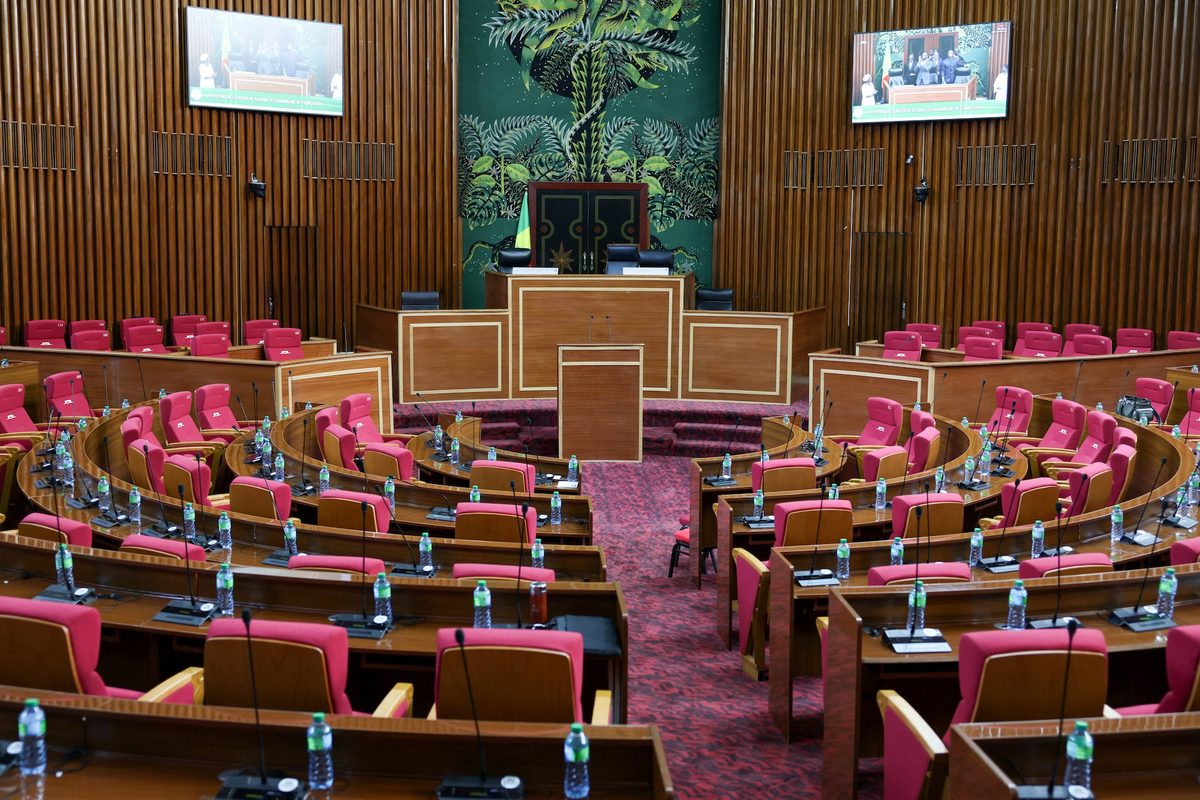
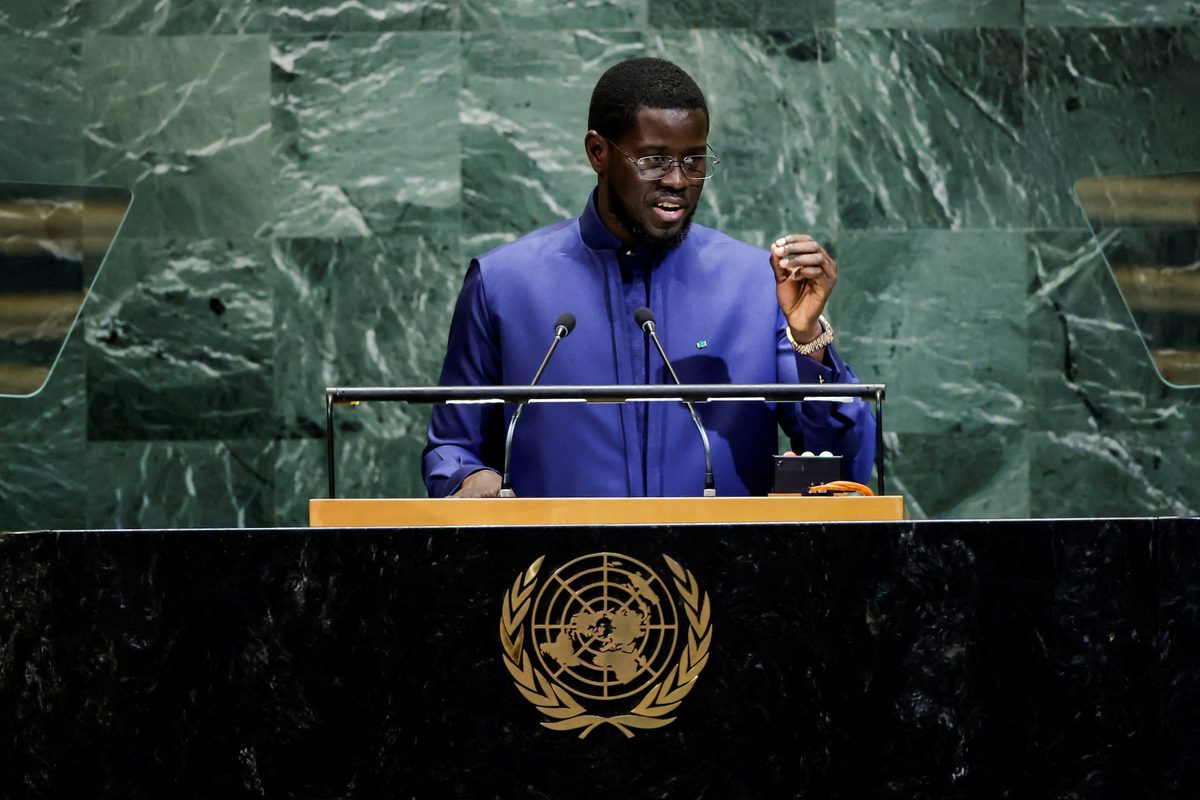
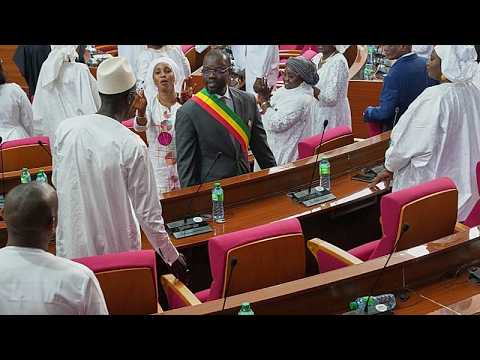
Senegal's National Assembly rejected the revised 2026 budget on November 3, the third time the bill had failed. Sixteen days later, President Bassirou Diomaye Faye signed it into force by decree.

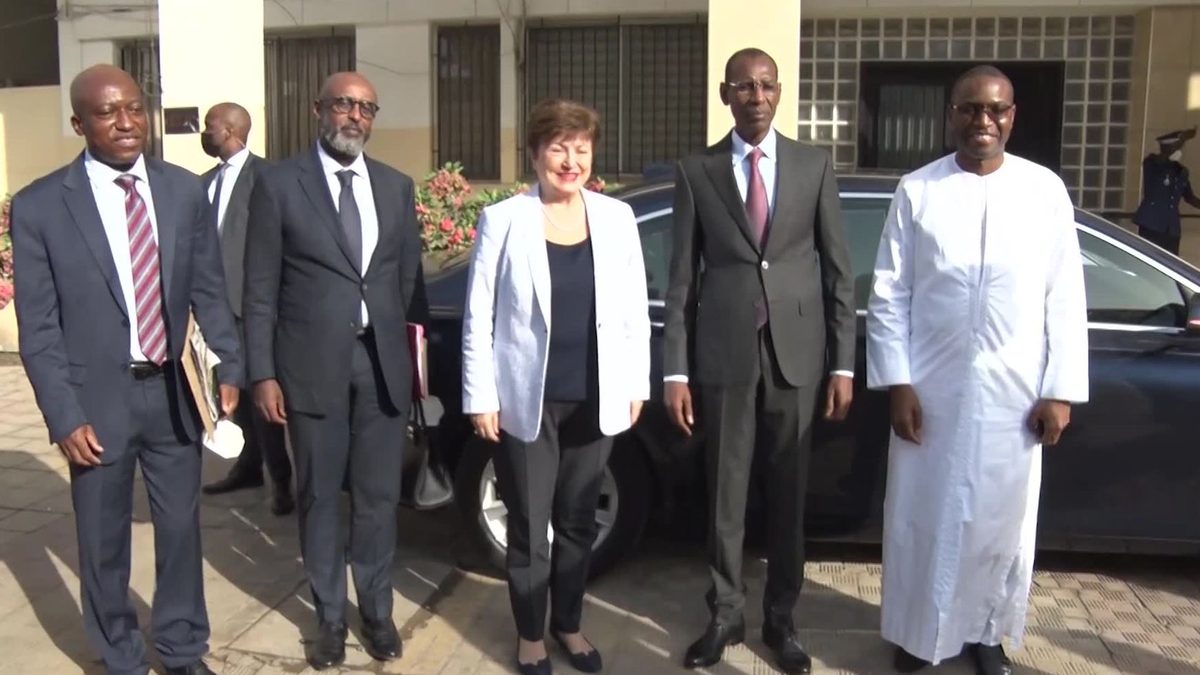
The decree lifts the projected deficit to 7.6% of GDP from 5.4% and cuts the 2026 growth forecast to 2.7% from 5%. It also supplies the budget framework the International Monetary Fund asked for before its board will weigh a $2.2 billion, 36-month loan.

Why it matters

With debt at 132% of GDP, whether the IMF releases $2.2 billion decides if Senegal restructures with creditors or runs short of cash.

Questions about this story

Free account needed to ask — your question is kept and asked for you right after sign-up. Answers are public.

No questions yet — be the first to ask.

Key Indicators

$2.2bn
IMF loan under discussion
36-month Extended Credit Facility agreed at staff level in September, still awaiting Executive Board approval.
7.6%
Projected 2026 deficit, share of GDP
Up from 5.4% in the original budget, or 1,735.2 billion CFA francs against 1,245.1 billion.
2.7%
Revised 2026 growth forecast
Cut from 5%, with the government citing higher energy costs.
132%
Public debt, share of GDP at end-2024
Includes debts the current government says the previous administration misreported.
126
Votes for the motion that killed the bill
Corrected from an initial tally of 109 after delegated votes were added; Pastef holds 130 of 165 seats.

Voices

Curated perspectives — historical figures and your fellow readers.

Sign up to generate historical perspectives on this story.

People Involved

Organizations Involved

Timeline

2024 November 2026

10 events Latest: Yesterday
Tap a bar to jump to that date
  1. Decree puts the budget in force

    Latest Executive Order

    Faye enacts the revised 2026 budget by decree; a lawmaker who led the rejection disputes its legality.

  2. 2027 budget rejected in part

    Vote

    Lawmakers refuse the revenue, spending and borrowing sections of the 2027 finance bill.

  3. IMF sets its condition

    Statement

    A Fund spokesperson says the budget adopted must be coherent with programme commitments.

  4. Assembly kills the bill

    Vote

    A procedural motion by Amadou Ba passes, 126 votes to 20 with 3 abstentions.

  5. Committee rejections

    Legislation

    Pastef lawmakers reject the bill twice in committee.

  6. Revised budget submitted

    Legislation

    The supplementary 2026 finance bill reaches the National Assembly, starting the 60-day clock.

  7. IMF staff-level agreement

    Finance

    A 36-month, $2.2 billion Extended Credit Facility is agreed, pending board approval and financing assurances.

  8. Faye dismisses Sonko

    Politics

    Sonko loses the premiership and becomes National Assembly president days later.

  9. Hidden debt surfaces

    Fiscal

    The new government finds debts misreported by the previous administration, which analysts put at some $13 billion.

Scenarios

1

IMF board approves the $2.2 billion programme

Possible Resolves by Q1 2027

Discussed by: IMF staff statements and Senegalese finance ministry officials

The decree gives the Fund the budget framework it said it needed, and the September staff-level agreement moves to the Executive Board. Approval still requires a waiver in the misreporting case and financing assurances from Senegal's partners, so a clean board sign-off would show creditors accepted the revised deficit path.

2

Constitutional Council annuls the decree

Uncertain Resolves by Q2 2027

Discussed by: Lawmaker Amadou Ba and Senegalese constitutional lawyers

Ba argues Article 68 cannot apply to a bill parliament expressly rejected, only to one left unvoted, and cites the organic law on finance laws. A referral to the Constitutional Council would test that reading. A ruling against the presidency would leave the 2026 budget without a valid legal basis and undercut the credibility the IMF is asking for.

3

A 2027 budget passes after Faye concedes to Pastef

Likely Resolves by Jan 31, 2027

Discussed by: Senegalese political analysts and the finance ministry

The 2027 finance bill cannot be decreed on the same timetable, and deputies have already refused its first section because it rested on the rejected 2026 figures. Passing it means negotiations between the presidency and Sonko's bloc over spending, the deficit path, or the debt-restructuring strategy Sonko has criticised.

4

Faye dissolves the assembly and calls elections

Unlikely Resolves by Q2 2027

Discussed by: Senegalese political commentators

With 130 of 165 seats held by his own former party, Faye governs against a majority that answers to Sonko. Dissolution would turn a budget fight into a referendum on which man leads Pastef. The constitutional route is narrow, and a snap election would freeze fiscal legislation for weeks while the IMF waits.

Historical Context

3 moments from history that rhyme with this story — and how they unfolded.

2022-2024

France's Article 49.3 budget fights (2022-2024)

French governments without stable majorities repeatedly used Article 49.3 of the constitution to pass budget bills without a floor vote. In December 2024, Prime Minister Michel Barnier used it on the social security budget and faced an immediate censure motion.

Then

Barnier's government fell within days, the first French cabinet censured since 1962.

Now

The mechanism survived, but each use now invites a confidence vote that a minority government may lose.

Why this matters now

Senegal's decree is a stronger instrument than France's, since it needs no parliamentary confidence. The French case shows the political price of budget-by-decree when the majority in the chamber is against you.

2020-2024

Zambia's default and the G20 Common Framework (2020-2024)

Zambia defaulted on its Eurobonds in November 2020, becoming the first African country to do so in the pandemic era. Its IMF programme could not go to the board until official creditors provided financing assurances, and restructuring talks with bondholders ran alongside.

Then

Years passed between default and a completed restructuring, with repeated missed deadlines.

Now

The Common Framework became known for slow timelines, and countries entering it learned that an IMF staff agreement is not the same as money.

Why this matters now

Senegal has agreed to rework its debt under the same framework. Its IMF staff agreement carries the same conditions, and Sonko opposes the restructuring path the government chose.

December 1962

Senegal's 1962 constitutional crisis

President Léopold Sédar Senghor and Prime Minister Mamadou Dia clashed over control of the executive and the constitution. Dia was arrested and charged with attempting a coup.

Then

Dia was jailed; the crisis ended with the presidency clearly dominant.

Now

A 1963 constitutional revision abolished the post of prime minister, and the office stayed gone until 1991.

Why this matters now

Senegal has resolved president-versus-premier conflicts before, and the outcome each time has shifted power toward the presidency. The Faye-Sonko split is the first serious repeat in decades.

Sources

(9)