
Pull to refresh
Logo
South Korea adds drunk-driving warnings to alcohol labels

South Korea adds drunk-driving warnings to alcohol labels

Rule Changes

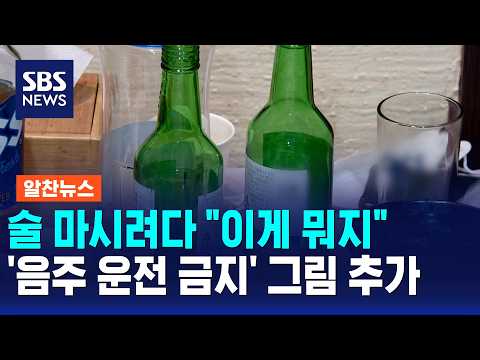
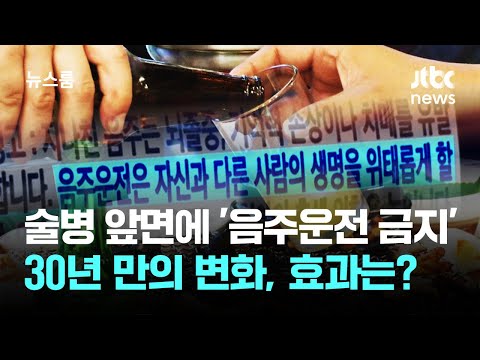
Three decades after text-only health warnings began, every bottle of soju or beer sold in Korea must now warn about drunk driving, and labels can carry pictures for the first time.

Overview

Updated 1 hour ago

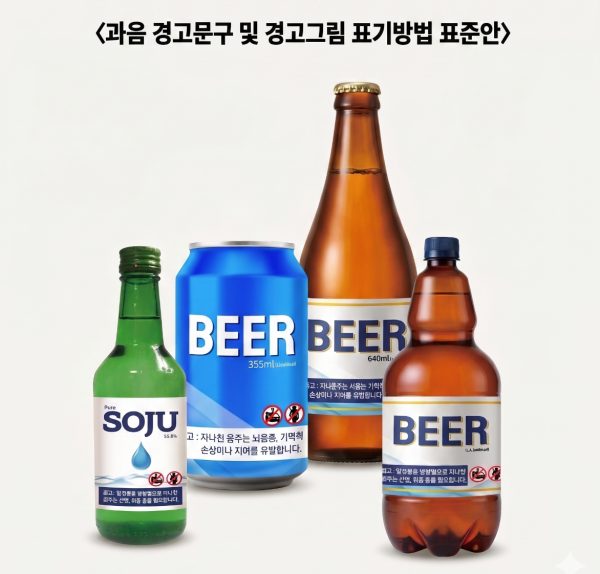
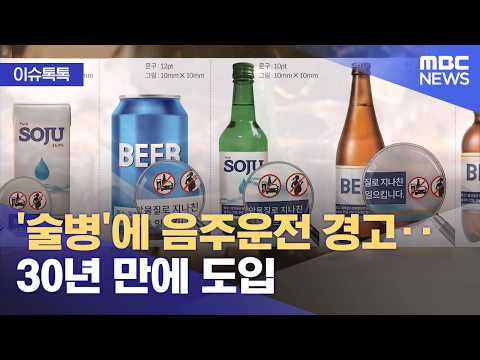
South Korean alcohol bottles have carried health warnings for about 30 years, always as text on the back. From Nov. 9, 2026, they must also warn that drunk driving endangers the drinker and everyone else, and for the first time the warning can be a picture rather than a sentence.

The rule covers every drink at 1% alcohol by volume or higher, domestic or imported. The warning moves to the front panel under the brand label, in larger type. For each of the three warnings, health risk, drunk driving and drinking during pregnancy, a manufacturer picks either the government's text or its pictogram. Ads must show the warnings too, with no grace period.

Why it matters

Anyone making, importing or advertising alcohol for Korea has until May 8, 2027 to sell old stock. Advertisements had to comply on day one.

Questions about this story

Free account needed to ask — your question is kept and asked for you right after sign-up. Answers are public.

No questions yet — be the first to ask.

Key Indicators

1%
Alcohol by volume threshold
Any beverage at or above this strength sold in Korea falls under the labeling rule.
180 days
Grace period for existing stock
Products released or import-declared before Nov. 9, 2026 may be sold under old labels until May 8, 2027.
₩10M
Maximum fine for non-compliance
Manufacturers and importers can also face up to one year in prison.
11,307
Drunk-driving crashes in 2024
Police figures cited by Korean outlets; about 31 crashes a day.
138
Deaths in drunk-driving crashes in 2024
A further 17,110 people were injured in those crashes.

Voices

Curated perspectives — historical figures and your fellow readers.

Sign up to generate historical perspectives on this story.

Organizations Involved

Timeline

1995 May 2027

5 events Latest: Yesterday
Tap a bar to jump to that date
  1. Full compliance required nationwide

    Upcoming Deadline

    Every alcoholic beverage sold and distributed in Korea must carry the new warning label.

  2. Grace period for old stock ends

    Upcoming Deadline

    Bottles released or import-declared before Nov. 9, 2026 can no longer be sold under old labels.

  3. Ministry finalizes new warning rules

    Regulation

    Revised enforcement rules and notice add drunk-driving warnings, permit pictograms, move labels to the front.

  4. National Health Promotion Act enacted

    Legislation

    The law underpinning Korea's alcohol warnings took effect. Labels stayed text-only for three decades.

Scenarios

1

Ministry brings first labeling prosecution

Possible Resolves by Q2 2028

Discussed by: Trade coverage in Asia Brewers Network and Korean outlets noting the criminal penalty attached to the rule

The rule carries up to a year in prison or a 10 million won fine, but regulators have not said how aggressively they will pursue small violations. A test case would likely involve an importer selling pre-deadline stock after May 2027, or an advertisement missing the warning. One prosecution would define how strictly the rest of the industry reads the standard.

2

Drunk-driving crashes fall below 10,000 a year

Uncertain Resolves by Q2 2029

Discussed by: Korean press, which paired the government's expectations with caution that labels alone do not change behavior

Korea recorded 11,307 drunk-driving crashes in 2024. The government says harder-to-miss warnings should reduce repeat offenses. A drop under 10,000 would be the first clear sign the labels moved a number, though policing, enforcement levels and ride-hailing use all feed into the same figure. Analysts quoted in Korean media say the effect can only be judged over several years.

3

Pictograms become mandatory, not optional

Unlikely Resolves by Nov 9, 2029

Discussed by: Public health researchers and the ministry's own expert committee process, which chose an opt-in design for now

The rules let manufacturers choose text or image for each warning, so a bottle with pictures is compliant and so is one without. Health agencies generally prefer images because they read faster across language barriers. If a review finds low uptake of pictograms, the ministry could revise the notice to require them, as Korea did with tobacco. That would force a second redesign of every label.

Historical Context

2 moments from history that rhyme with this story — and how they unfolded.

2018-2019

Yoon Chang-ho Act (2018)

A 22-year-old soldier, Yoon Chang-ho, was killed by a drunk driver in Busan. Public anger pushed parliament to lower Korea's legal blood alcohol limit from 0.05% to 0.03% and toughen penalties, with the change taking effect in 2019.

Then

Arrests and license revocations rose sharply as police adjusted to the stricter threshold.

Now

Korea ended up with one of Asia's strictest blood alcohol limits, but repeat offenders remained a problem.

Why this matters now

That gap, fewer crackdowns but more drivers caught seven or more times, is the specific problem the new labels are meant to address. Seoul again responded to drunk-driving harm with a rule change.

2015-2016

Tobacco pictorial warnings in South Korea (2016)

Korea amended its health promotion law to require graphic photographs on cigarette packs, and the warnings appeared on packs from late 2016. Tobacco companies challenged the rules and lost.

Then

Packs were redesigned and manufacturers absorbed the printing cost.

Now

Image warnings became a normal part of Korean packaging regulation, and smoking rates drifted down over the following years.

Why this matters now

Alcohol labels are following the same path: text first, then images, with the industry given a choice rather than a mandate. The tobacco case shows how much of the compliance burden lands on packaging design and printers.

Sources

(7)