





Pull to refresh
Logo
US alcohol use falls for first time since pandemic as younger adults drink less

US alcohol use falls for first time since pandemic as younger adults drink less

Rule Changes

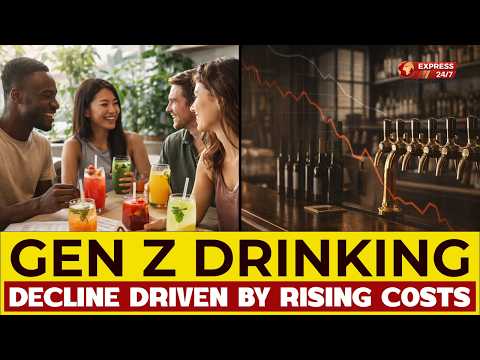
Gen Z and millennials cut drinking while adults 50-64 drink more, widening a generational gap

Yesterday: Study confirms first post-pandemic decline

Overview

Updated 5 hours ago

For the first time since the pandemic, Americans are drinking less. Between 2022 and 2024, any alcohol use dropped nearly 2% and heavy drinking fell more than 8%, according to a Keck Medicine of USC study in Annals of Internal Medicine.

The decline is generational. Adults 18 to 29 cut drinking the most, by over 5%, and millennials (ages 30 to 49) cut heavy drinking by 17%. Meanwhile, adults 50 to 64 are drinking more than they did before COVID-19: heavy drinking in that group is up more than a third since 2018.

Why it matters

Younger adults drinking less could cut alcohol-related deaths for the first time in decades. Rising drinking among 50-to-64-year-olds threatens that progress.

Questions about this story

Free account needed to ask — your question is kept and asked for you right after sign-up. Answers are public.

No questions yet — be the first to ask.

Key Indicators

≈2%
Decline in any alcohol use, 2022-2024
CDC National Health Interview Survey data across 114,352 adults.
>8%
Decline in heavy drinking, 2022-2024
First confirmed reduction since the pandemic onset, per the study.
17%
Millennial heavy-drinking decline
Largest heavy-drinking drop of any age group between 2022 and 2024.
>36%
Heavy-drinking rise among ages 50-64 since 2018
Rates climbed steadily through the pandemic and after; the study's most concerning finding.
54%
Share of Americans who drink alcohol
Gallup's 2026 reading, a record low for the second straight year; down from 62% in 2023.

Voices

Curated perspectives — historical figures and your fellow readers.

Ever wondered what historical figures would say about today's headlines?

Sign up to generate historical perspectives on this story.

People Involved

Organizations Involved

Timeline

January 2018 September 2026

5 events Latest: Yesterday
Tap a bar to jump to that date
  1. Study confirms first post-pandemic decline

    Latest Research

    Annals of Internal Medicine publishes the Keck Medicine study showing any drinking down ~2% and heavy drinking down >8% from 2022 to 2024.

  2. Gallup records second straight record low

    Data

    Gallup's July survey finds 54% of Americans drink alcohol, holding 2025's record low steady.

  3. Surgeon General calls for cancer warning labels

    Policy

    Vivek Murthy issues an advisory urging new cancer warning labels on alcohol, citing the 1964 tobacco report as a model.

  4. Pandemic drives drinking spike

    Public Health

    WHO declares COVID-19 a pandemic; alcohol consumption surges during lockdowns and stays elevated through 2022.

  5. Pre-pandemic baseline recorded

    Data

    CDC's National Health Interview Survey logs a pre-pandemic drinking baseline for later comparison.

Scenarios

1

Gallup records another record low as drinking falls below 54%

Likely Resolves by Aug 31, 2027

Discussed by: Gallup's annual trend and the Keck Medicine research team

Gallup runs its Consumption Habits survey every July. If younger adults keep cutting back, the 2027 reading should drop below 54%, extending the fall from 62% in 2023. Gallup data already shows teens drinking less and 20% of current drinkers reaching for nonalcoholic alternatives, which researchers say supports continued decline.

2

FDA mandates cancer warning labels on alcohol

Possible Resolves by End of 2028

Discussed by: Surgeon General's January 2025 advisory and public health advocates

Vivek Murthy's advisory explicitly called on regulators to add cancer warnings to alcohol containers, naming the 1964 tobacco report as the template. Falling consumption and a growing evidence base on alcohol's cancer link give the Food and Drug Administration room to act. A final rule would set a compliance deadline for label changes.

3

Heavy drinking among 50-to-64-year-olds falls below 2018 levels

Unlikely Resolves by End of 2028

Discussed by: Brian Lee and the study team, who flagged the group as most at risk

Heavy drinking among adults 50 to 64 rose more than a third since 2018 despite the national decline. Lee warns this age group faces the greatest harm per drink, including cirrhosis and alcohol-related cancers. Whether public health messaging reverses the rise will show up in subsequent CDC National Health Interview Survey waves.

Historical Context

2 moments from history that rhyme with this story — and how they unfolded.

January 1964

Tobacco decline after the 1964 Surgeon General's report (1964)

On January 11, 1964, US Surgeon General Luther Terry released the first official government report linking cigarettes to lung cancer and heart disease. He scheduled the release on a Saturday to blunt the stock market reaction. Per-capita cigarette consumption fell within months and kept falling for decades.

Then

Cigarette sales dropped sharply; Congress mandated warning labels in 1965 and banned TV and radio ads in 1971.

Now

Adult smoking fell from roughly 42% in 1965 to about 11.5% today.

Why this matters now

The Surgeon General's January 2025 alcohol advisory explicitly invoked this precedent. Health-warning-driven decline is the same model younger US drinkers are now following voluntarily.

1980-1999

The late-1980s and 1990s decline in US drinking (1980-1999)

Mothers Against Drunk Driving (founded 1980), the 1984 National Minimum Drinking Age Act, and drunk-driving crackdowns pushed drinking down through the late 1980s and 1990s. More than 20% of Americans routinely reported overdrinking before 2000; the figure peaked near 35% in 1989.

Then

The share of Americans reporting overdrinking fell to record lows through the 1990s.

Now

The decline reversed around 2000 as wine culture and daily drinking became normalized, a rebound current generations are now breaking.

Why this matters now

It shows sustained drops in drinking happen when health and safety concerns reshape social norms, exactly what survey data shows among Gen Z and millennials today.

Sources

(6)