

Pull to refresh
Logo
Spain approves 2030 grid plan sized for 47 GW of new demand

Spain approves 2030 grid plan sized for 47 GW of new demand

Built World

€17.1 billion, 193 substations and 6,707 km of new high-voltage line, approved as binding planning through 2030

Overview

Updated 27 minutes ago

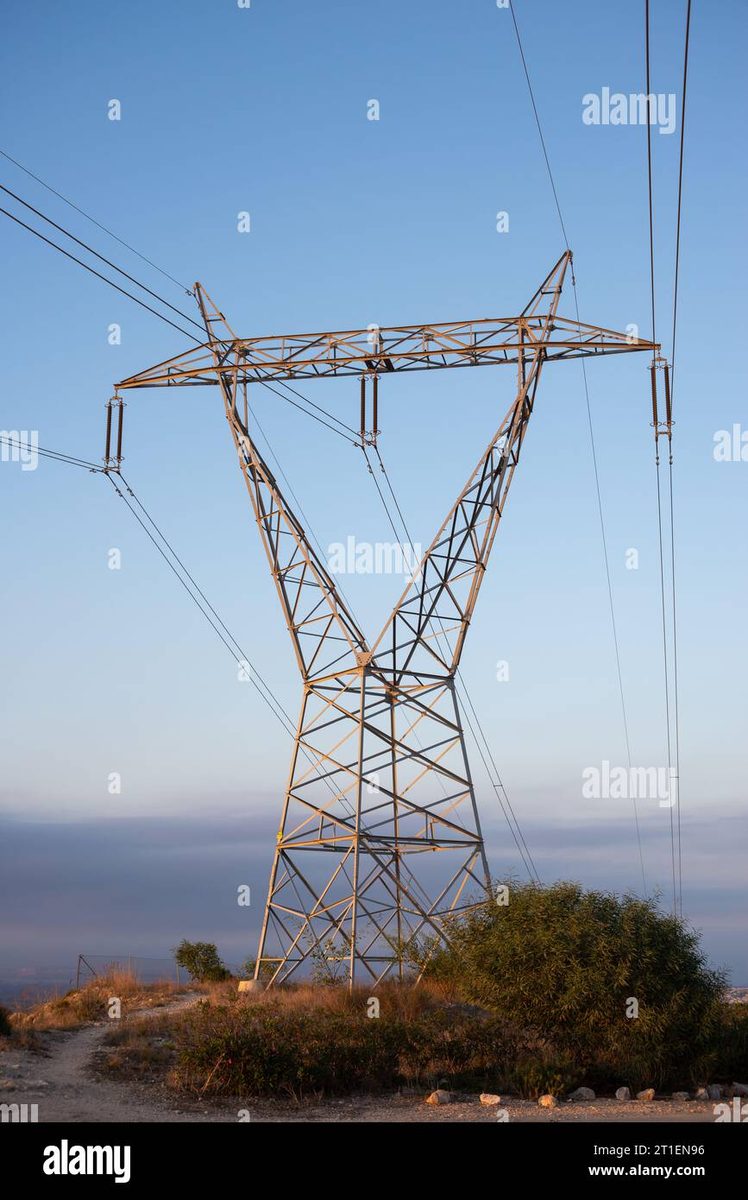
Spain's Council of Ministers approved a binding plan on 20 November 2026 to spend €17.1 billion on the country's high-voltage grid through 2030. It adds 193 substations and 6,707 kilometres of new line, and it is sized for 47 gigawatts of new electricity demand.

Most of that demand does not exist yet. Spanish electricity consumption has been flat for over a decade and sits below its 2008 peak, so the plan bets that industry, hydrogen plants and data centres arrive before the lines do. If they don't, the grid is still built: Red Eléctrica earns a regulated return on the assets, and consumers cover it in their bills.

Why it matters

Spanish households and factories pay for the grid through regulated charges, whether or not the 47 GW of new demand ever shows up.

Questions about this story

Free account needed to ask — your question is kept and asked for you right after sign-up. Answers are public.

No questions yet — be the first to ask.

Key Indicators

€17.1B
Total planned investment
€15.133 billion for the national grid and €2.010 billion for international interconnections.
47 GW
New electricity demand covered
Includes 14.9 GW for industry, 12.4 GW for hydrogen and derivatives, 9.3 GW for data centres, 6 GW for housing and 5 GW for transport.
6,707 km
New transmission line
Plus capacity increases on 8,164 km of existing line.
193
New substation parks
The plan's building programme is the largest ever approved for the Spanish network.
154 GW
Renewable capacity to integrate by 2030
The figure comes from Spain's National Energy and Climate Plan for 2023–2030.
2,566
Public comments filed
Two consultation rounds were held with regional governments before approval.

Voices

Curated perspectives — historical figures and your fellow readers.

Sign up to generate historical perspectives on this story.

People Involved

Organizations Involved

Timeline

2024 November 2026

2 events Latest: November 20th, 2026 · 1 week ago
  1. Cabinet approves the 2030 grid planning

    Latest Approval

    The plan commits €17.1 billion, 193 substations and 6,707 km of new line, sized for 47 GW of new demand.

  2. Planning revision puts data centres in the queue

    Policy

    A 2024 modification of the transmission planning incorporated data-centre projects that already hold grid access.

Scenarios

1

Permitting drags the build-out past 2030

Likely Resolves by End of 2030

Discussed by: Merca2 and Spanish energy trade press

Environmental impact declarations, municipal servitude deals and transformer lead times of three to four years set the pace, not the budget. Spain has historically energised far fewer kilometres a year than the plan requires, and European buyers of cables and transformers are competing with Germany, the UK and the Nordics for the same factory slots.

2

New capacity sits idle as demand stays flat

Possible Resolves by Q1 2031

Discussed by: Merca2 and critics of demand-led planning

Spain's electricity demand has been flat for over a decade and remains below its 2008 peak. If industrial projects, hydrogen plants and data centres arrive slower than planned, the lines are still built and paid for, repeating the pattern of empty renewable evacuation nodes and underused substations from the last build-out.

3

Data centres take the first tranche of new capacity

Possible Resolves by End of 2029

Discussed by: Spanish energy press and the ministry's own demand breakdown

Data centres account for 9.3 GW of the 47 GW the plan covers, and the government has paired the plan with a rule that 80% of their consumption must be renewable. If those projects connect early, they absorb the first wave of new substations and give the build-out a visible customer before heavy industry electrifies.

Historical Context

3 moments from history that rhyme with this story — and how they unfolded.

2010s

Spain's unused evacuation capacity (2010s)

Spain's first wind and solar build-out ran ahead of both demand and the network. Grid access was granted at nodes that were never fully used, and some substations have run below capacity since. Delayed electrolysis projects added to the pattern.

Then

Promoters held connection rights they could not or did not use.

Now

Stranded capacity became a standing caution in Spanish energy policy: capacity granted is not capacity used.

Why this matters now

The 2030 plan spends €17.1 billion on the same wager, at roughly ten times the scale.

2015 onward

Germany's SuedLink (approved 2015)

Germany approved SuedLink to carry North Sea wind to the south, a route of several hundred kilometres. Permitting, local opposition and underground cabling pushed construction back year after year.

Then

The line missed every early completion date.

Now

Germany's north-south bottleneck persisted well into the 2020s, and the delay became the standard European example of grid planning outrunning delivery.

Why this matters now

Spain's plan faces the same sequence: environmental review, municipal consent, then scarce equipment.

2008–2014

Texas Competitive Renewable Energy Zones (2008–2014)

Texas designated renewable energy zones and built dedicated high-voltage lines to West Texas wind country, with the cost recovered from electricity ratepayers. The lines were planned before the generation they served was fully built.

Then

Transmission arrived ahead of wind farms, and curtailment fell as they connected.

Now

The zone model became a reference for planners elsewhere, and the build-out followed the wires.

Why this matters now

It is the counter-example: a state that built first and found the demand, rather than waiting for it.

Sources

(7)