


Pull to refresh
Logo
India approves viability gap funding for 92 GWh of grid storage

India approves viability gap funding for 92 GWh of grid storage

Built World

Cabinet backs ₹14,500 crore for batteries, pumped hydro and emerging storage through 2030-31

Overview

Updated 1 hour ago

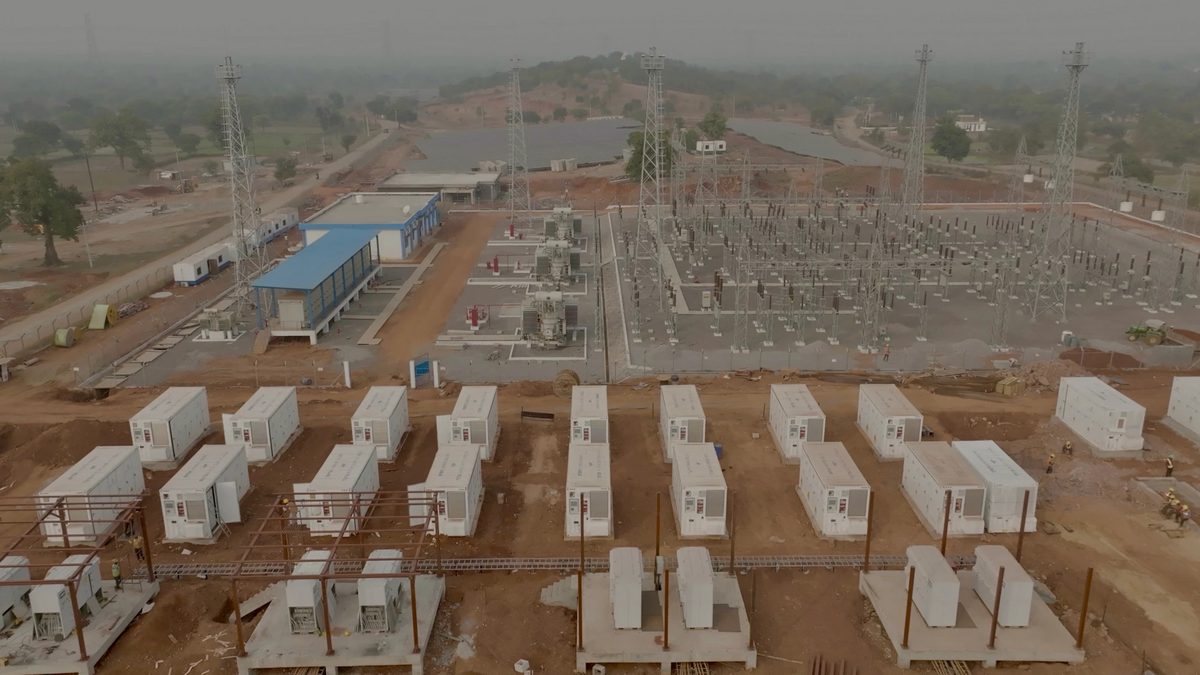
India's power grid produces surplus solar power in the afternoon and faces shortages after sunset. On 4 November 2026, the Union Cabinet approved ₹14,500 crore (US$1.53 billion) in viability gap funding for 92 gigawatt-hours of new grid-scale storage by 2030-31.

The package covers 30 gigawatt-hours of battery energy storage systems (BESS), 60 gigawatt-hours of pumped storage projects and 2 gigawatt-hours of emerging technologies. Battery projects must meet a 40% domestic content requirement. India targets 411 gigawatt-hours of grid storage by 2031-32 and had 9.1 gigawatt-hours of battery storage operating in September 2026.

Why it matters

India needs 411 GWh of storage by 2031-32; the 40% domestic content rule will test whether it can build the batteries at home.

Questions about this story

Free account needed to ask — your question is kept and asked for you right after sign-up. Answers are public.

No questions yet — be the first to ask.

Key Indicators

92 GWh
New storage capacity supported
Split into 30 GWh batteries, 60 GWh pumped hydro and 2 GWh emerging technologies.
US$1.53 billion
Viability gap funding
₹14,500 crore from FY 2026-27 to FY 2030-31.
US$10 billion
Estimated total investment
Government estimate for the 92 GWh buildout.
40%
Domestic content requirement for batteries
Minimum share of domestic content in BESS projects.
411 GWh
Grid storage target by 2031-32
Includes 236 GWh battery storage and 175 GWh pumped hydro.
9.1 GWh
Battery storage operating in September 2026
Less than 4% of the 236 GWh battery target.

Voices

Curated perspectives — historical figures and your fellow readers.

Sign up to generate historical perspectives on this story.

People Involved

Organizations Involved

Timeline

June 2025 November 2026

3 events Latest: 3 days ago
  1. Cabinet approves ₹14,500 crore storage VGF scheme

    Latest Policy decision

    The scheme covers 92 GWh across batteries, pumped hydro and emerging technologies.

  2. Vaishnaw says storage raises use of existing transmission lines

    Statement

    The minister says storage lets existing lines carry more renewable power.

  3. Power ministry launches VGF scheme for 30 GWh of battery storage

    Policy

    The scheme offers ₹5,400 crore from the Power System Development Fund.

Scenarios

1

Battery auctions clear at scale and projects reach financial closure

Likely Resolves by Q1 2029

Discussed by: Ministry of Power and analysts cited by The Indian Express

If the first tranches of the 30 GWh battery programme attract enough bidders, developers can lock in tariffs and finance. The 40% domestic content rule then becomes the main test of whether Indian cell supply can keep pace.

2

Pumped hydro target slips on land and approval delays

Possible Resolves by Q1 2030

Discussed by: The Indian Express

Pumped storage projects need land, water rights and environmental approvals. If state utilities and private developers cannot convert the 60 GWh allocation into construction, the battery tranche carries more of the storage target.

3

Domestic content rule delays battery auctions

Possible Resolves by End of 2027

Discussed by: Ministry of Power and battery industry analysts

The 40% domestic content requirement could narrow the pool of eligible bidders if Indian battery cell and module supply does not expand quickly enough. A thin bidder pool would force retendering or slower allocations.

Historical Context

2 moments from history that rhyme with this story — and how they unfolded.

October 2013

California storage procurement mandate (2013)

In October 2013, the California Public Utilities Commission adopted a 1,325-megawatt storage procurement target for the state's utilities by 2020. It was one of the first mandates of its kind. Utilities contracted large lithium-ion battery projects.

Then

The target pushed utilities to sign long-term storage contracts and helped grid-scale batteries move from pilot projects to routine procurement.

Now

California became a large battery market, but battery cells still came mostly from Asian manufacturers.

Why this matters now

The case shows a procurement mandate can create demand quickly. India's added domestic content rule is an attempt to capture more of the manufacturing chain.

January 2010

India's National Solar Mission (2010)

India launched the National Solar Mission in January 2010 with a target of 20 gigawatts of solar capacity by 2022. The target was later raised to 100 gigawatts. The programme used auctions and domestic content rules for some projects.

Then

Solar capacity grew sharply and auction prices fell.

Now

India became a major solar market, but domestic module manufacturing remained smaller than demand.

Why this matters now

The storage scheme repeats the auction-plus-local-content model. The solar experience shows demand can scale faster than the domestic supply chain.

Sources

(9)