
Pull to refresh
Logo
SPR opens first West Coast solar panel recycling plant

SPR opens first West Coast solar panel recycling plant

Built World

The Porterville, California, facility is the company's fifth U.S. plant and lifts its annual capacity to 6.5 million panels.

Overview

Updated 39 minutes ago

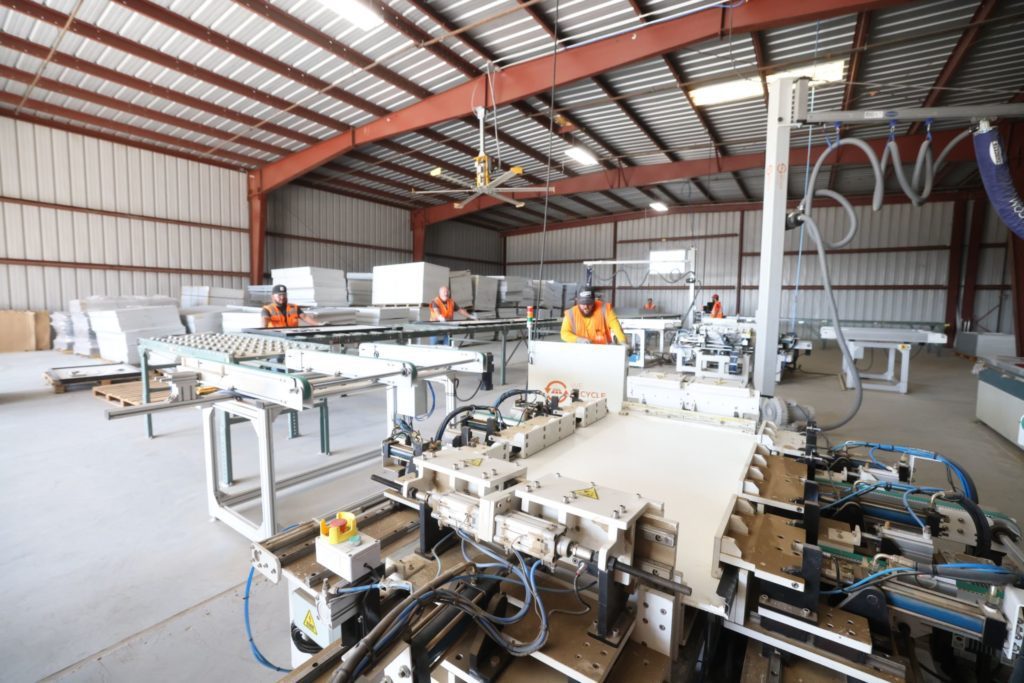
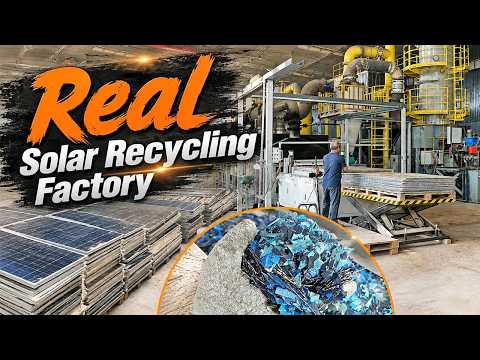
Solar Panel Recycling LLC will open a 42,000-square-foot plant in Porterville, California, its first on the West Coast and fifth in the country. The facility gives the Salisbury, North Carolina, company a coast-to-coast network and lifts its annual processing capacity to 6.5 million panels.

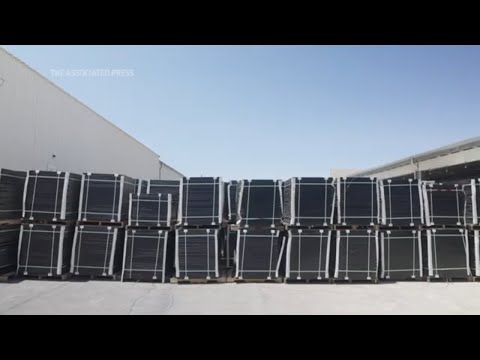
The plant matters because the first big wave of U.S. utility-scale solar is nearing retirement. Recycling panels near where they come down cuts transport costs and emissions, and California's hazardous-waste rules make a compliant in-state recycler more valuable than a distant one.

Why it matters

Where retired solar panels get recycled, and whether their glass and silver are recovered or landfilled, will be settled by plants like this one.

Questions about this story

Free account needed to ask — your question is kept and asked for you right after sign-up. Answers are public.

No questions yet — be the first to ask.

Key Indicators

6.5M
Annual panel processing capacity
SPR's total across five U.S. facilities after Porterville.
1.05M
Porterville initial annual capacity
Planned to triple within 24 months of operation.
42,000
Facility size (square feet)
On just under seven acres in Tulare County.
42%
Recycling cost decline
Over 36 months, per CEO Brett Henderson.
80%
Glass share of panel weight
The material SPR says whole-panel shredding destroys.
47%
Silver's share of recycling value
Silver is about 0.5% of a solar cell's mass.

Voices

Curated perspectives — historical figures and your fellow readers.

Sign up to generate historical perspectives on this story.

People Involved

Organizations Involved

Timeline

2018 November 2026

5 events Latest: Today
Tap a bar to jump to that date
  1. Porterville plant announced

    Today Expansion

    SPR unveils a 42,000-square-foot facility in Porterville, California, its first on the West Coast and fifth overall.

  2. Henderson flags certification gap

    Statement

    SPR's chief executive says a January 2027 certification deadline looms and the reuse market for old panels is not scalable.

  3. SPR triples North Carolina capacity

    Expansion

    SPR adds a 50,000-square-foot plant and new processing technology, lifting headquarters capacity to 1.5 million panels a year.

  4. SPR spins out

    Corporate

    Powerhouse establishes SPR to focus on solar panel recycling and build a national customer base.

  5. A utility asks about old panels

    Origin

    A client representing a national utility asks Powerhouse to process 8,000 to 10,000 retired solar panels.

Scenarios

1

Porterville triples to 3.15 million panels a year

Likely Resolves by Nov 16, 2028

Discussed by: SPR's own announcement

SPR says the Porterville plant will start at 1.05 million panels a year and triple that within 24 months. Hitting the target depends on securing enough end-of-life volume from California and Western utilities as projects repower.

2

SPR adds a sixth U.S. plant

Possible Resolves by Nov 16, 2028

Discussed by: Industry trade press

If Western volumes justify it, SPR could add another facility. The company has expanded roughly one plant a year since 2023, and its chief executive has said coverage is how recycling becomes accessible.

3

A rival opens a West Coast plant

Possible Resolves by Nov 16, 2028

Discussed by: Trade press

SPR is first to the West Coast, but competitors could follow as California volumes grow. A rival utility-scale plant would test whether SPR's early lead holds.

Historical Context

2 moments from history that rhyme with this story — and how they unfolded.

2010s

Europe's early solar recycling buildout (2010s)

European and Asian markets moved on solar recycling before the U.S. did, giving recyclers there more information and technology. When SPR's founders studied the problem, they traveled to both regions to learn the methods.

Then

Europe developed takeback and recycling channels earlier than the U.S.

Now

U.S. recyclers borrowed European separation techniques and adapted them to domestic volumes.

Why this matters now

SPR's approach is partly imported; the Porterville plant applies lessons from those markets to U.S. volumes.

2000s

CRT glass recycling (2000s)

The shift from cathode-ray-tube televisions to flat panels left recyclers with mountains of leaded glass that few manufacturers would take back. Purity and offtake, not collection, became the bottleneck.

Then

Much CRT glass went to landfills or was used as low-grade fill.

Now

The episode became a cautionary tale about recycling without end markets.

Why this matters now

SPR's pitch is that clean separation and domestic offtakers avoid the CRT trap. Its glass goes to foundries, not new solar modules.

Sources

(6)