



Pull to refresh
Logo
Strada launches browser automation for insurance systems without APIs

Strada launches browser automation for insurance systems without APIs

New Capabilities

AI agents click through carrier portals the way staff do, with every step recorded for audit

Yesterday: Strada launches browser automation for no-API systems

Overview

Updated 59 minutes ago

Insurance back-office staff click through carrier portals all day because the underlying systems predate the web application programming interfaces (APIs) modern software relies on. Every claims-status pull, certificate of insurance, and policy endorsement has needed a human at a keyboard.

On September 24, Strada said its AI agents can now do that clicking. The agents sign into portals using credentials carriers already assign their own users, complete the task, and log every step for audit. Setup needs no engineering—a user records a task once, and the agent repeats it on live data.

Why it matters

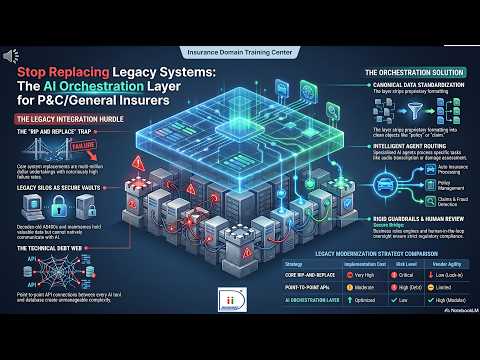
Insurance automation has been blocked by legacy systems without APIs. Browser agents clear that block, cutting the cost of policy servicing and claims work.

Questions about this story

Free account needed to ask — your question is kept and asked for you right after sign-up. Answers are public.

No questions yet — be the first to ask.

Key Indicators

200+
Systems connected by Strada via API or browser agent
Strada says its agents connect to more than 200 policy, claims, agency management, and customer relationship systems.
80%
Task containment rate customers report
Strada reports customers achieving 80 percent containment across voice, chat, and email, with 70 percent lower handle time.
4
Channels Strada agents operate
Voice, chat, email, and SMS—browser automation runs inside these existing workflows.

Voices

Curated perspectives — historical figures and your fellow readers.

Ever wondered what historical figures would say about today's headlines?

Sign up to generate historical perspectives on this story.

People Involved

Organizations Involved

Timeline

August 2026 September 2026

2 events Latest: Yesterday
  1. Strada launches browser automation for no-API systems

    Latest Product Launch

    Strada announces AI agents that operate carrier portals without APIs, logging every step.

  2. Strada launches multi-channel claims intake

    Product Launch

    Strada expands claims intake across phone, SMS, email, and chat as a connected layer.

Scenarios

1

Strada's browser agents go mainstream in insurance back office

Likely Resolves by Q2 2027

Discussed by: Strada's customer metrics (80% containment, 70% lower handle time) and Y Combinator profile

Strada's existing customers expand browser automation from pilots to core operations: endorsement processing, certificate of insurance issuance, and claims-status pulls. Because setup requires no engineering, adoption can spread through operations teams rather than IT. A named carrier, managing general agent, or third-party administrator deploying the capability in production would confirm the pattern.

2

Compliance and security concerns slow browser automation adoption

Possible Resolves by Q1 2027

Discussed by: TestMuAI's browser automation guidance; Ergini's scoped computer-use agents

Insurance portals hold sensitive policyholder data, and the industry's own guidance treats authorization as non-negotiable. Automated logins can trigger account lockouts or session anomalies, and auditors may question how agent access is governed. If a state regulator or the National Association of Insurance Commissioners issues formal guidance restricting AI agents' portal access, adoption would slow.

3

Carriers ship APIs, shrinking the workaround market

Unlikely Resolves by Jan 1, 2028

Discussed by: Strada's stated principle: use an API when one exists

Browser automation exists because portals lack APIs. If major carriers expose public APIs for claims, policy, and document data, automation shifts to those endpoints and browser agents become a fallback for the long tail of unmodernized systems. Core system modernization is slow, so this would unfold over years, not months.

Historical Context

3 moments from history that rhyme with this story — and how they unfolded.

1999–2000

Y2K COBOL remediation (1999–2000)

Insurers and banks running core operations on COBOL mainframes spent billions patching two-digit year handling for the millennium rather than modernizing. Most of those systems are still running today.

Then

Y2K passed with few failures, validating the patch-and-keep approach.

Now

The episode cemented a pattern: when replacement is too costly, industries invest in workarounds that keep legacy cores alive.

Why this matters now

Insurance's core systems remain the same untouchable legacy layer; browser automation is the latest workaround letting modern software operate on top.

2015–2020

RPA boom (2015–2020)

UiPath and Automation Anywhere sold software robots that clicked through legacy office systems lacking APIs, and insurers bought in heavily. Both companies reached billion-dollar valuations on the strength of that promise.

Then

Robotic process automation cut back-office costs across banking and insurance, becoming a standard enterprise layer.

Now

The bots were brittle; a changed screen layout broke a script, and many deployments stalled at low rates of full automation.

Why this matters now

Browser automation is the AI successor—agents that understand the rendered page rather than replaying fixed clicks, aimed at the same no-API problem.

1990s

Screen scraping for mainframe integration (1990s)

Before web APIs became standard, companies integrated mainframe systems by scraping green-screen terminal output character by character. The method worked until a vendor moved a field or changed a layout.

Then

It enabled early electronic integration in banking and insurance.

Now

Each technology generation rebuilt the same bridge because core systems outlast the integration methods built around them.

Why this matters now

The no-API problem Strada targets is decades old; what changes is the intelligence of the workaround.

Sources

(9)