




Pull to refresh
Logo
Stroke rates among younger adults nearly double in three decades

Stroke rates among younger adults nearly double in three decades

New Capabilities

Adults ages 20 to 54 saw blocked-vessel strokes climb 83% from 1993 to 2020, even as survival improved

Today: ScienceDaily reports on the findings

Overview

Updated 1 hour ago

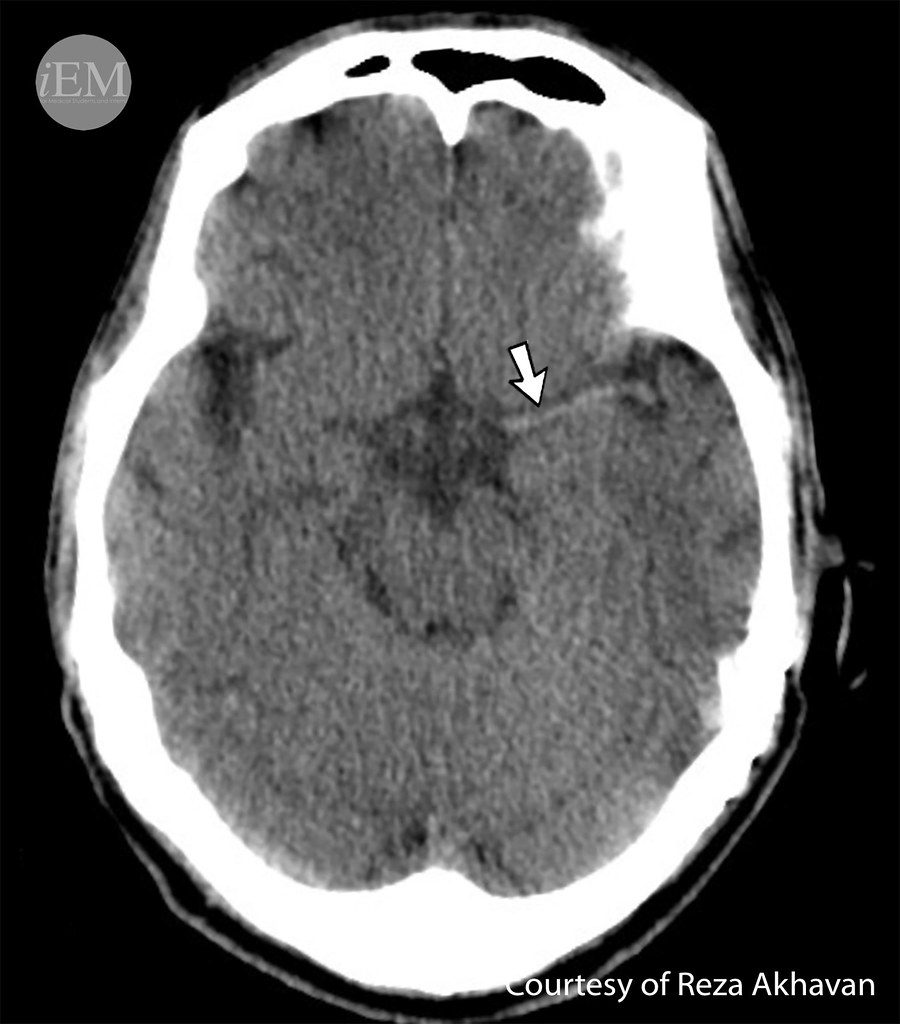
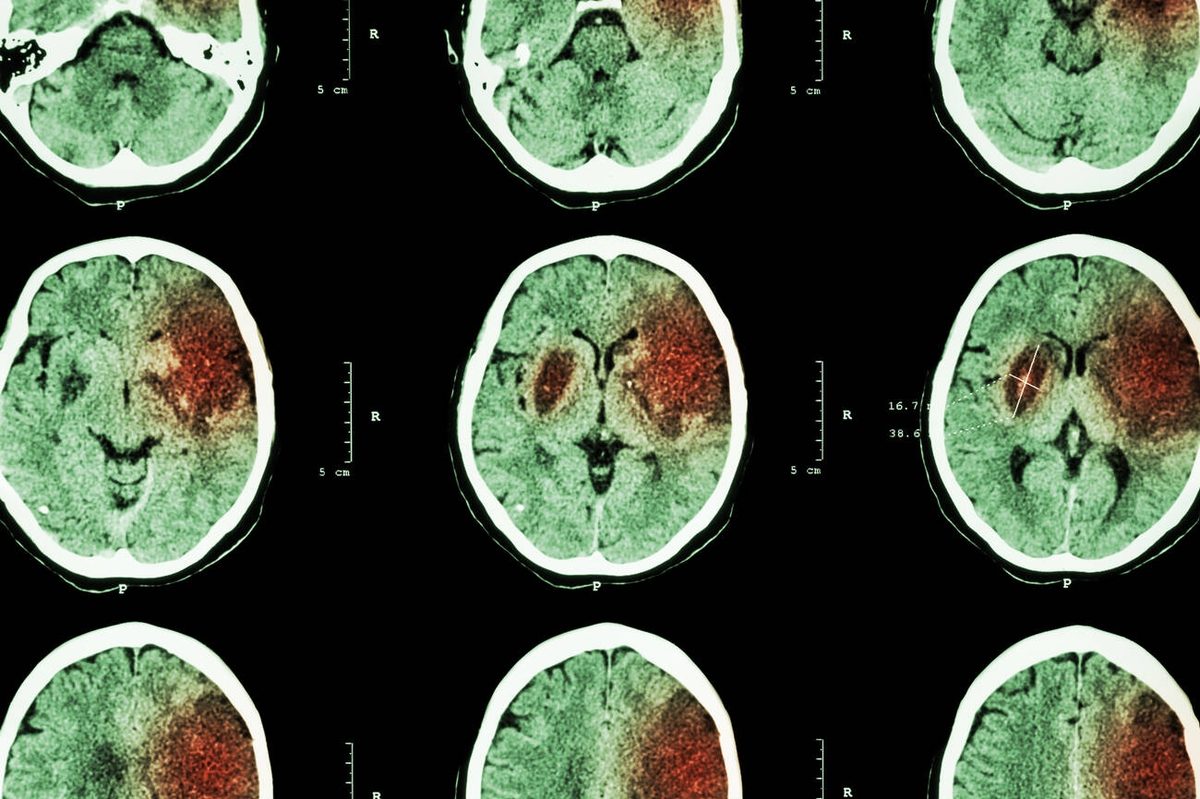
Stroke rates among adults ages 20 to 54 nearly doubled between 1993 and 2020, according to a study published in the medical journal Neurology. The rate climbed from 33.9 cases per 100,000 people to 62.2 — an increase of about 83%.

Blocked blood vessels in the brain drove the rise. High blood pressure, diabetes, atrial fibrillation, and substance use — especially marijuana — all became more common among young stroke patients. The researchers can't say what caused the increase, since they had no comparison group of healthy young adults.

There is good news buried in the trend: 30-day survival improved, with deaths falling from 11.7% to 9.4%. But surviving a stroke isn't a full recovery. Depending on the brain injury, survivors face lasting trouble with movement, speech, memory, or thinking — for decades.

Why it matters

If the trend holds, more adults in their 20s and 30s will live with stroke-related disability during their working years, a disease once seen as affecting only the elderly.

Questions about this story

Free account needed to ask — your question is kept and asked for you right after sign-up. Answers are public.

No questions yet — be the first to ask.

Key Indicators

83%
Increase in young-adult stroke rate, 1993–2020
Rate rose from 33.9 to 62.2 cases per 100,000 person-years among adults ages 20–54.
62.2
Stroke rate per 100,000 people in 2020
For adults 20–54; the 1993–1994 baseline was 33.9.
40.2%
Substance use among young stroke patients in 2020
Up from 4.6% in 1993–1994; much of the increase tied to marijuana use.
9.4%
30-day stroke mortality in 2020
Down from 11.7% in 1993–1994; improvement strongest for bleeding strokes.

Voices

Curated perspectives — historical figures and your fellow readers.

Ever wondered what historical figures would say about today's headlines?

Sign up to generate historical perspectives on this story.

People Involved

Organizations Involved

Timeline

1993 October 2026

4 events Latest: Today
Tap a bar to jump to that date
  1. ScienceDaily reports on the findings

    Today Coverage

    Widespread reporting highlights that the rate of strokes among adults ages 20 to 54 nearly doubled over nearly three decades.

  2. Study published in Neurology

    Publication

    Journal of the American Academy of Neurology publishes findings from 2,076 first strokes across 27 years, noting 30-day mortality fell from 11.7% to 9.4%.

  3. Final data collected; rate nearly doubles

    Research

    Young-adult stroke rate reaches 62.2 per 100,000; ischemic strokes drive most of the increase. Substance use among patients jumps to 40.2%.

  4. Baseline stroke measurement begins

    Research

    Researchers start tracking all first strokes in Greater Cincinnati and Northern Kentucky; rate is 33.9 per 100,000 among adults 20–54.

Scenarios

1

Researchers pin the rise on marijuana and metabolic risk factors

Possible Resolves by Q2 2028

Discussed by: Study authors and commentators noting the dramatic substance-use increase (5% to 40%)

Follow-up cohort studies with healthy comparison groups test whether cannabis use, hypertension, diabetes, and obesity explain the rising stroke rate. If they do, the finding shifts prevention guidance toward young adults. The current study couldn't establish causation because it lacked data on people who didn't have strokes.

2

Public health agencies launch young-adult stroke prevention campaigns

Uncertain Resolves by Jan 31, 2028

Discussed by: Fisher and American Academy of Neurology comments on primary prevention needs

The American Heart Association, the Centers for Disease Control and Prevention, or state health departments respond to the data with screening and awareness programs aimed at adults under 55. Success depends on hypertension control and diabetes management, which the study flagged as rising among young stroke patients.

3

National data confirm the trend is getting worse

Likely Resolves by End of 2028

Discussed by: Global Burden of Disease Study 2021 analysis, which already shows a post-2015 rebound in ischemic stroke among young adults

Newer national surveillance data — including from beyond the Cincinnati region — show stroke incidence among adults 20–54 continuing to climb past the 62.2 rate recorded in 2020. The Global Burden of Disease analysis already documented a similar global pattern since 2015, so continued increases would strengthen the case that this is a widespread public health shift, not a regional quirk.

Historical Context

3 moments from history that rhyme with this story — and how they unfolded.

1990–2021

Global Burden of Disease Study 2021 young-stroke analysis

The international GBD consortium analyzed stroke trends across 204 countries. While age-standardized rates generally fell, the absolute number of incident strokes in young adults rose 36% from 1990 to 2021, and ischemic stroke incidence increased from 2015 onward. High systolic blood pressure was the top risk factor globally.

Then

The 2021 analysis documented a global rebound in young-adult ischemic stroke, matching the Cincinnati trend.

Now

It established that traditional risk factors (hypertension, diabetes, high body mass index, high cholesterol) drive most of the young-adult burden, with regional variation.

Why this matters now

The Cincinnati study's findings mirror a worldwide pattern, suggesting the increase isn't a local artifact — though the US study specifically flagged marijuana use, which global analyses don't capture.

2010s–2020s

UK young-stroke doubling (PLOS Medicine)

Research published in PLOS Medicine found stroke risk approximately doubled among adults under 55 in the United Kingdom over roughly a decade, despite effective medications being widely available. The authors cited early diagnosis problems and adherence gaps.

Then

The finding pushed UK policymakers to weigh targeted prevention for younger adults.

Now

It reinforced that young-adult stroke is a high-income-country phenomenon, not limited to one region.

Why this matters now

Two independent health systems on different continents show the same sharp rise in young-adult strokes, strengthening the case that the Cincinnati data reflects a broader shift.

1990s–2010s

Stroke decline in older populations

For decades, stroke rates fell among adults 55 and older, driven by blood pressure control, statins, and smoking cessation. The current Cincinnati analysis found overall stroke incidence declined across all ages during the 27-year window — but rose sharply in the youngest group.

Then

Public health success in older adults created the assumption that stroke was a solved problem.

Now

The young-adult rise complicates that picture, suggesting prevention gains haven't reached younger people with emerging risk factors.

Why this matters now

The contrast — falling rates in the old, rising rates in the young — is the core puzzle of the current study and the reason scientists can't yet explain the cause.

Sources

(6)