


Pull to refresh
Logo
Study estimates three in four deceased NFL players had CTE

Study estimates three in four deceased NFL players had CTE

New Capabilities

A Boston University team corrected for the donation bias that has inflated brain-bank findings, and still found a high burden

Overview

Updated Yesterday

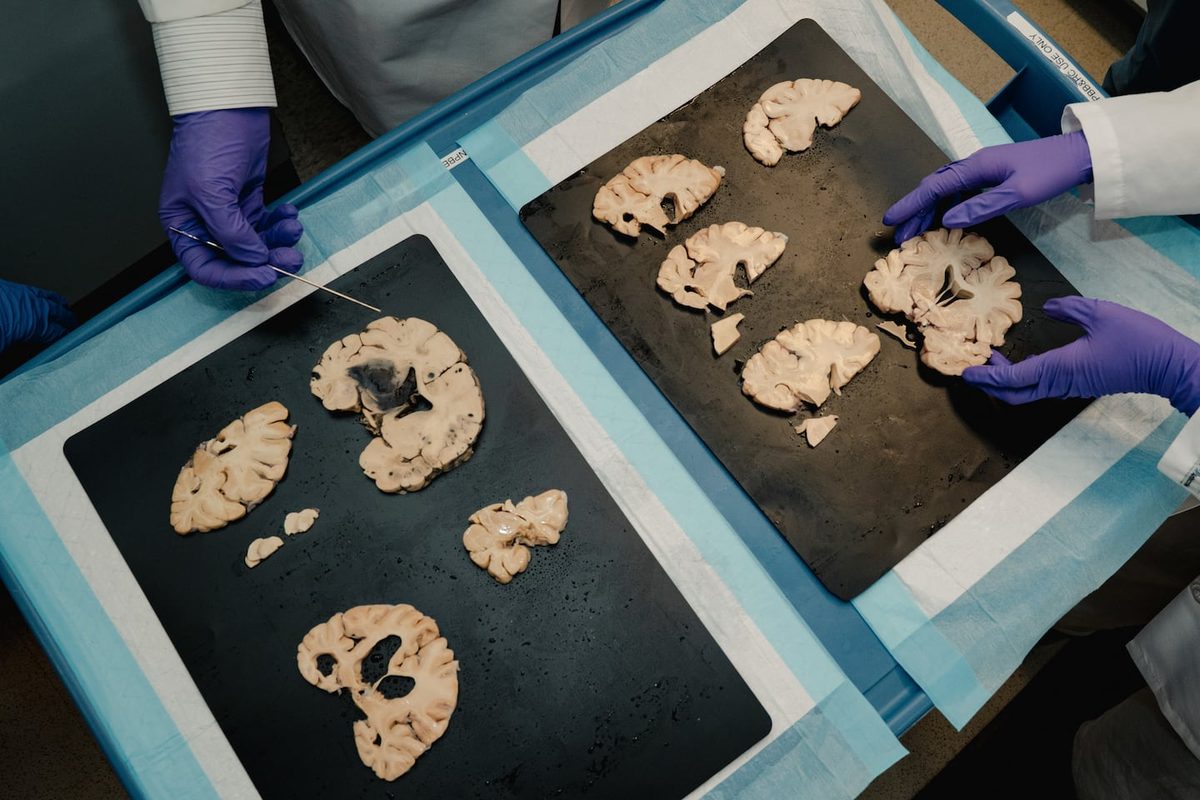
A statistical correction, not a new brain bank, produced the highest estimate yet of how common chronic traumatic encephalopathy is among former NFL players. The study, published Oct. 28 in JAMA Network Open, estimates that 74.5% of 2,362 former players who died between 2008 and 2023 had CTE at death.

The study confronts the field's oldest weakness. Brain banks are filled by families who already suspect something is wrong, and the authors estimate those families were about five times likelier to donate. After adjusting for that, the number fell from 93.5% of donated brains to 74.5% of all deceased players. It remains an estimate, and it covers only players who have died.

Why it matters

If it holds, three of every four men who played in the NFL and have died had a brain disease only autopsy can confirm.

Questions about this story

Free account needed to ask — your question is kept and asked for you right after sign-up. Answers are public.

No questions yet — be the first to ask.

Key Indicators

74.5%
Bias-adjusted CTE prevalence at death
Estimated share of 2,362 deceased former NFL players with CTE neuropathology.
93.5%
CTE among donated brains
Share of the 387 donated brains in the study that showed CTE.
4.97
Donation selection ratio
Estimated factor by which families of players with cognitive symptoms were likelier to donate.
27.2%
Bias-adjusted dementia prevalence
Estimated share of the cohort with a history of all-cause dementia during life.
2,362
Deceased players in cohort
Former NFL players who died between January 2008 and December 2023.

Voices

Curated perspectives — historical figures and your fellow readers.

Sign up to generate historical perspectives on this story.

People Involved

Organizations Involved

Timeline

2005 October 2026

5 events Latest: 7 days ago
Tap a bar to jump to that date
  1. Bias-adjusted study estimates 74.5% had CTE

    Latest Research

    JAMA Network Open publishes an analysis of 2,362 deceased former players, correcting for donation bias.

  2. Earlier estimate puts CTE at one in four

    Research

    The same research group estimates that about a quarter of deceased NFL players had CTE.

  3. Brain-bank study finds CTE in 99% of donated NFL brains

    Research

    A Boston University analysis reports CTE in 110 of 111 donated brains from former NFL players.

  4. First CTE finding in an NFL player

    Research

    Forensic pathologist Bennet Omalu publishes findings of CTE in the brain of former Steeler Mike Webster.

Scenarios

1

A blood test for CTE reaches clinical use

Possible Resolves by End of 2029

Discussed by: Boston University researchers and outside neurologists quoted in coverage

CTE is currently diagnosable only at autopsy. Several groups are working on blood biomarkers for tau and related proteins. If one is validated and cleared, players could be evaluated while alive, which would change insurance, benefits and eligibility decisions.

2

NFL and players expand benefits for CTE

Possible Resolves by Q1 2028

Discussed by: NFL Players Association and retired-player advocates

The 2013 concussion settlement did not list CTE itself as a compensable condition. A bias-adjusted prevalence near 75% gives advocates a number to argue that posthumous CTE diagnoses should trigger payments. The league has resisted tying benefits to autopsy findings.

3

Independent researchers reproduce the estimate

Uncertain Resolves by End of 2028

Discussed by: Epidemiologists and critics such as Jim Kelly

The 74.5% figure rests on a statistical correction for donation bias. If another group applies a different correction to the same death records and gets a similar number, the estimate gains standing. If the range stays wide, the debate continues.

Historical Context

3 moments from history that rhyme with this story — and how they unfolded.

2002–2005

Mike Webster and the first CTE finding (2002–2005)

Former Pittsburgh Steelers center Mike Webster died in 2002 at 50 after years of cognitive and behavioral decline. Forensic pathologist Bennet Omalu examined his brain and found tau protein deposits consistent with a new neurodegenerative disease, which he called chronic traumatic encephalopathy. He published the case in Neurosurgery in 2005.

Then

The NFL and its medical advisers disputed the finding.

Now

Other pathologists confirmed the pattern in more players, and CTE became the central medical question in football.

Why this matters now

The new prevalence study is the latest attempt to answer the question Omalu's single case raised: how common is this?

2015–2017

The 99% brain-bank era (2015–2017)

Boston University researchers reported CTE in 87 of 91 donated brains from former NFL players in 2015, then in 110 of 111 in a 2017 JAMA study. The 99% figure became the headline number in coverage of football and brain disease.

Then

Critics noted that families who donate brains are often those who saw symptoms, so the sample was not representative.

Now

The criticism pushed researchers toward the bias-adjusted method used in the 2026 study.

Why this matters now

The 2026 paper is a direct response to the selection-bias problem the 99% figure exposed.

August 2013

The NFL concussion settlement (2013)

Retired players sued the NFL over concussion-related injuries. In August 2013 the league agreed to a settlement initially valued at $765 million, later uncapped, covering conditions such as dementia, Parkinson's disease and ALS.

Then

A federal judge approved the settlement after revisions in 2015.

Now

The settlement created a compensation system but did not list CTE itself as a compensable condition, leaving autopsy-based prevalence estimates outside its payment rules.

Why this matters now

A higher prevalence estimate gives advocates a new argument for expanding what the settlement covers.

Sources

(5)