
Pull to refresh
Logo
US five-year cancer survival reaches record 71 percent

US five-year cancer survival reaches record 71 percent

New Capabilities

Half-century of progress driven by targeted therapies, immunotherapy, and earlier detection

2 days ago: Human Progress publishes survival analysis

Overview

Updated 2 hours ago

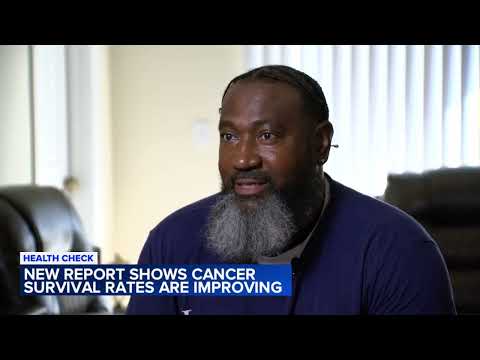
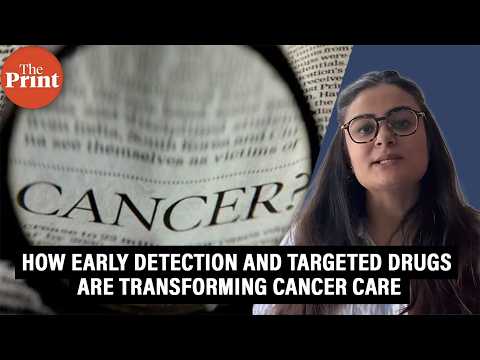
A cancer diagnosis in the mid-1970s was close to a coin flip: only 49% of patients lived five years. Today, 71% do — the highest rate on record. The American Association for Cancer Research's 2026 progress report credits better screening, improved surgery and radiation, and a wave of drugs that harness the immune system or target specific tumor mutations.

The gains are uneven. Lung cancer survival has more than doubled since the late 1970s, yet lung cancer still claims more lives than the next two deadliest cancers combined. Pancreatic cancer survival remains at 13%. The next test is whether the same tools can crack the tumors that so far resist them.

Why it matters

Seven in ten cancer patients now live five years or more, up from half in the 1970s. The deadliest cancers are closing the gap.

Questions about this story

Free account needed to ask — your question is kept and asked for you right after sign-up. Answers are public.

No questions yet — be the first to ask.

Key Indicators

71%
5-year survival rate, 2016–2022 diagnoses
Up from 49% for mid-1970s diagnoses, per the AACR Cancer Progress Report 2026.
49%
5-year survival rate, mid-1970s diagnoses
Baseline before targeted therapies and immunotherapy reshaped treatment.
4.8 million
Cancer deaths averted since 1991
Attributed to smoking reductions, earlier detection, and improved treatment.
29%
Lung cancer 5-year survival, 2016–2022
More than doubled from 13% for 1975–1979 diagnoses, yet still the leading cancer killer.

Voices

Curated perspectives — historical figures and your fellow readers.

Ever wondered what historical figures would say about today's headlines?

Sign up to generate historical perspectives on this story.

People Involved

Organizations Involved

Timeline

1975 October 2026

6 events Latest: 2 days ago
Tap a bar to jump to that date
  1. Human Progress publishes survival analysis

    Latest Report

    Summarizes AACR findings, highlighting the climb from 49% to 71% five-year survival and persistent gaps in hard-to-treat cancers.

  2. AACR releases Cancer Progress Report 2026

    Report

    Report in Philadelphia finds 71% five-year survival for 2016–2022 diagnoses; lung cancer at 29%, childhood leukaemia at 90%.

  3. ACS reports 5-year survival hits 70%

    Data

    75th annual Cancer Statistics report marks milestone survival for 2015–2021 diagnoses, up from 63% in the mid-1990s.

  4. First checkpoint inhibitor approved

    Medical Breakthrough

    FDA approved ipilimumab for melanoma, opening the immunotherapy era. Distant-stage melanoma survival later rose from 16% to 35%.

  5. Gleevec approved for chronic myeloid leukemia

    Medical Breakthrough

    FDA approved imatinib, the first tyrosine kinase inhibitor. CML 5-year survival later tripled from 22% to 70%.

  6. Five-year survival recorded at 49%

    Data

    Mid-1970s baseline: fewer than half of US cancer patients survived five years after diagnosis.

Scenarios

1

Cancer survival keeps climbing, topping 72 percent

Likely Resolves by Q2 2027

Discussed by: American Cancer Society statisticians; immunotherapy approvals continue expanding across cancer types

The AACR report shows survival gains accelerating for lung, liver, and blood cancers thanks to immunotherapy and targeted drugs. If new approvals reach more patients and screening improves, the next ACS annual report could push 5-year survival for 2016–2022 diagnoses above 72%. Rebecca Siegel called lung cancer gains "still really low, but such an improvement," suggesting room to grow.

2

Lung cancer progress slows, lagging other gains

Possible Resolves by End of 2027

Discussed by: Rebecca Siegel (ACS); lung cancer remains the leading cause of cancer death

Pancreatic cancer survival still sits at 13%, esophageal and liver at 22%. These tumors resist both immunotherapy and targeted agents. If advances in lung cancer stall — where survival is 29% — overall gains could slow to under a percentage point per year, and lung cancer will remain the nation's top cancer killer.

3

Federal research cuts slow cancer's momentum

Uncertain Resolves by End of 2026

Discussed by: ACS Cancer Statistics 2026 report, which warns proposed federal cuts threaten progress

The ACS report explicitly warns that proposed federal cuts to cancer research funding and health insurance could slow the pace of improvement. If Congress reduces the National Cancer Institute budget in FY2027 appropriations, clinical trials and drug development could slow, particularly for the hardest-to-treat cancers.

Historical Context

3 moments from history that rhyme with this story — and how they unfolded.

May 2001

Gleevec transforms chronic myeloid leukemia (2001)

The FDA approved imatinib (Gleevec), the first drug engineered to disable the specific protein driving chronic myeloid leukemia. Within two decades, 5-year survival for CML tripled, from 22% in the mid-1970s to 70%. Most patients now live near-normal lifespans on a daily pill.

Then

CML became the proof that targeting a tumor's genetic driver could turn a fatal cancer into a chronic condition.

Now

It established precision oncology — matching drugs to tumor mutations — which now shapes treatment across dozens of cancer types.

Why this matters now

Gleevec is the clearest template for the survival gains now spreading to lung, liver, and blood cancers.

1996

HAART turns HIV into a chronic disease (1996)

Combination antiretroviral therapy, introduced in 1996, changed HIV from a near-certain death sentence into a manageable chronic condition within a few years. Life expectancy for treated patients now approaches that of the general population.

Then

AIDS deaths in the US fell dramatically within two years of the therapy's arrival.

Now

It established the model of lifelong drug therapy managing a once-fatal infection.

Why this matters now

Cancer is following the same arc — the American Cancer Society says cancer is becoming "less of a death sentence and more of a treatable chronic disease."

2011–2015

Checkpoint inhibitors open the immunotherapy era (2011–2015)

The FDA approved ipilimumab in 2011, then pembrolizumab and nivolumab in 2014. These checkpoint inhibitors release the immune system's brakes on tumors, producing durable responses in advanced melanoma — a cancer that was almost uniformly fatal once it spread. 5-year survival for metastatic melanoma jumped from 16% to 35%.

Then

Immunotherapy became a fourth pillar of cancer treatment, alongside surgery, radiation, and chemotherapy.

Now

The same drug class now drives the largest gains in lung, liver, and other hard-to-treat cancers.

Why this matters now

Most of the last decade's survival gains trace to these drugs, now expanding into the cancers that still lag.

Sources

(6)