

Pull to refresh
Logo
Probiotic supplement shows early promise against cognitive decline in trial

Probiotic supplement shows early promise against cognitive decline in trial

New Capabilities

Six-month study links daily probiotic to lower Alzheimer's blood marker and better memory scores in older adults

Yesterday: Probiotic trial published in Journal of Alzheimer's Disease

Overview

Updated Yesterday

Eighty-seven older adults with early memory problems took a daily probiotic powder or a placebo for six months. Those on the probiotic scored better on memory and thinking tests, and showed a drop in a blood marker tied to Alzheimer's disease.

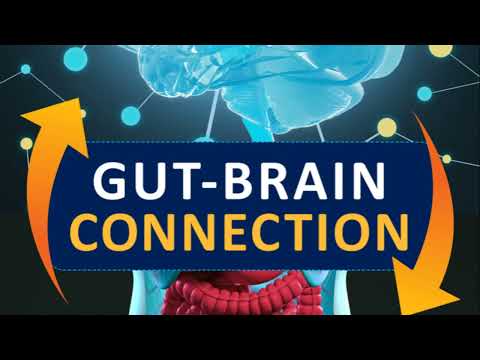
The results, published in the Journal of Alzheimer's Disease, add to a decade of research connecting gut bacteria to brain health. They don't prove probiotics slow or stop dementia — but they give researchers a cheap, drug-free target to test.

Why it matters

If probiotics slow cognitive decline, a cheap daily powder could delay dementia onset for millions of aging adults.

Questions about this story

Free account needed to ask — your question is kept and asked for you right after sign-up. Answers are public.

No questions yet — be the first to ask.

Key Indicators

87
Trial participants
Adults with early cognitive impairment from the Gwangju Alzheimer's Disease and Related Dementias (GARD) cohort.
24 weeks
Intervention length
Daily probiotic (KL-P301) or placebo, with cognitive tests and blood draws at baseline and week 24.
p < 0.001
pTau181 reduction significance
Plasma levels of the Alzheimer's-linked tau protein fell in the probiotic group versus placebo.

Voices

Curated perspectives — historical figures and your fellow readers.

Ever wondered what historical figures would say about today's headlines?

Sign up to generate historical perspectives on this story.

People Involved

Organizations Involved

Timeline

2020 October 2026

3 events Latest: Yesterday
  1. Probiotic trial published in Journal of Alzheimer's Disease

    Latest Publication

    87 older adults with early impairment took probiotic or placebo for 24 weeks; probiotic group showed lower pTau181 and better visuospatial and memory scores.

  2. Systematic review backs gut-brain cognitive link

    Research

    Review of 14 studies found microbiota-targeted interventions improved cognitive scores in older adults, especially those with early impairment.

  3. Meta-analysis links probiotics to better dementia cognition

    Research

    Five trials with 297 patients found probiotics improved cognition and cut inflammatory markers in those with Alzheimer's or mild cognitive impairment.

Scenarios

1

Larger trials confirm probiotic benefit for early cognitive decline

Possible Resolves by End of 2028

Discussed by: The trial authors, who explicitly call for larger, longer studies with tau and amyloid PET imaging

A large randomized trial, likely with several hundred participants and neuroimaging endpoints, reports a significant cognitive or biomarker benefit from probiotics in mild cognitive impairment. That would push probiotics toward testing as a non-pharmacological adjunct in clinical practice.

2

Follow-up trials fail to replicate the findings

Possible Resolves by End of 2028

Discussed by: The paper's own caveats and earlier meta-analyses that flagged short durations and heterogeneity across probiotic studies

Independent trials find no significant cognitive or biomarker benefit. The 2020 meta-analysis already noted evidence was insufficient; if larger studies repeat that pattern, the pTau181 finding may be specific to this strain combination or a false positive.

3

Probiotic enters clinical guidelines for mild cognitive impairment

Unlikely Resolves by End of 2030

Discussed by: The broader gut-brain research field; the 2026 systematic review called gut modulation 'a viable strategy to support cognitive health'

If confirmatory trials pass, a neurology body recommends probiotic supplementation for early cognitive impairment. Given the guidelines process and the need for replicated evidence, this would take years and still face questions about which strains and doses to use.

Historical Context

2 moments from history that rhyme with this story — and how they unfolded.

2020

First probiotics-and-cognition meta-analysis (2020)

Researchers pooled five randomized trials covering 297 patients with Alzheimer's disease or mild cognitive impairment. The analysis found probiotics improved cognition (effect size 0.37) and lowered markers of inflammation and oxidative stress.

Then

Showed promise but was judged insufficient evidence for clinical use.

Now

Set the template for larger trials and flagged the need for longer follow-up.

Why this matters now

This 2026 trial is the next step in that line — a placebo-controlled test of a specific multistrain product with blood biomarkers as endpoints.

2010s–present

Gut-brain axis emerges as dementia research target (2010s–present)

Animal and human studies linked gut microbiome composition to brain inflammation, amyloid plaque formation, and cognition. The field shifted from correlation toward trials testing whether altering gut bacteria changes brain outcomes.

Then

Produced a steady stream of small trials with mixed results.

Now

Established the microbiome as a plausible, modifiable target for dementia prevention.

Why this matters now

The Gwangju trial's combination of a cognitive endpoint and an Alzheimer's blood biomarker is the field's natural maturation toward rigorous testing.

Sources

(4)